


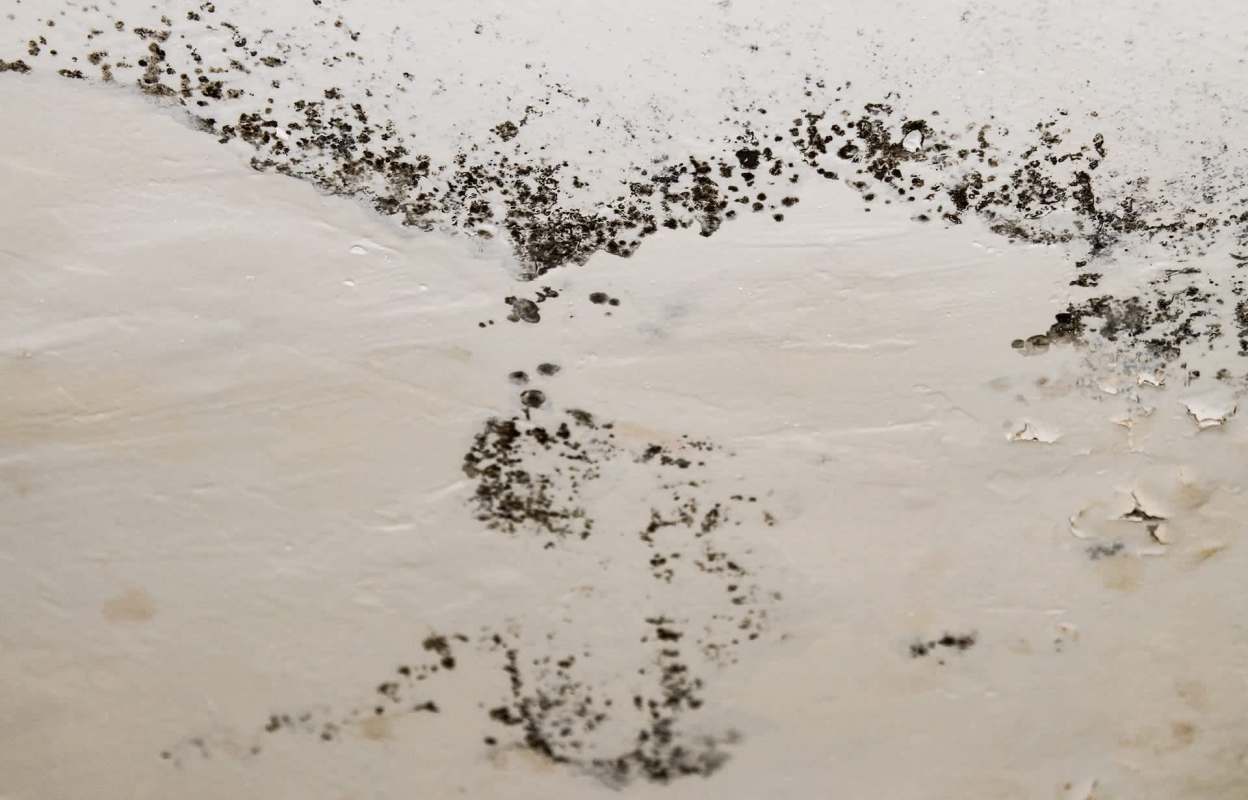
A hygrometer reading near 70% and mold showing up around the house sent one homeowner to Reddit for answers, even after new coils and a 3-ton condenser were installed last fall and after hours of extra cooling with the thermostat set to 65.
Commenters in the discussion pointed to an unexpected cause. They suggested it wasn't the low temperature setting itself, but a fan mode that can keep moisture moving back through the house instead of letting it drain away.
Here's what to know
Indoor humidity was averaging about 70%, the homeowner said in a Reddit thread in r/HVACAdvice. They said the issue appeared about four months after the homeowner installed new coils and a 3-ton condenser, adding, "We started noticing mold around the house."
Even after the HVAC company reset the fan motor from 1,800 cfm to 1,200 cfm, the problem had not cleared up. The homeowner wrote, "It's been 4 days and humidity levels are still averaging in the mid 60%."
Several people in the thread focused on how the system fan was being controlled.
"Do you have the fan switch set to auto? If it is set to run continuously, it will just blow water off coil right back in. It needs off cycles to drain," one commenter wrote.
TCD Picks » Quince Spotlight
💡These best-sellers from Quince deliver affordable, sustainable luxury for all




One Reddit user said the setting comes up constantly on service calls, "This is what I find on probably 90% of high humidity house calls lol."
More background
To the homeowner, the timing suggested this was a new problem tied to the HVAC changes, not a long-standing issue. As they put it, "My in-laws have been in this house 40 years and never had an issue."
They also said the home's windows had been replaced, so the house was "sealed up well."
Running the AC longer didn't fully solve it either. After lowering the thermostat to 65 "just to let the system cycle for several hours," the homeowner said the humidity only got down to 52%.
A separate reply described a similar issue in a lower-Alabama home that had been gutted and modernized, where crawl-space moisture was the real source of the problem. That commenter said adding a "sump, dehumidifier, and plastic barrier film" brought the crawl space to 40% relative humidity, kept indoor moisture below 60%, and meant "total cost of electricity is down a little since a/c does not have to work so hard to cool moist air."
What can be done?
One no-cost step raised in the thread is to set the AC fan to AUTO rather than running it continuously. A constantly running fan can re-evaporate water on the coil and push that moisture back into the home.
Another check is whether the airflow has been set correctly for the equipment. In this case, the company changed the fan setting from 1,800 cfm to 1,200 cfm.
Instead of simply lowering the thermostat, commenters also suggested looking for ways to keep the system running in longer cycles. One person wrote, "Check if your thermostat allows a wider deadband for longer run time."
If the fan mode and airflow are right but the house still feels damp, commenters said the moisture source may be outside the unit itself.
One commenter backed this up, describing improvements after addressing a wet crawl space with a sump, a dehumidifier, and plastic barrier film, then advised, "Do please check to see if infiltration is part of your problem."
The homeowner summed up the goal clearly: "Maybe my target range is off- I've been aiming for under 50%. My understanding is that's the threshold to prevent mold growth/propagation."
Another commenter replied, "No, your target range is good. Aiming for under 50% is correct."
Where can I learn more?
If damp indoor air is part of the problem, other AC habits and common misconceptions can also affect comfort and moisture control. The articles here cover dry mode, airflow mistakes, filter problems, questionable add-ons, and whether shutting doors helps.
• During the warm months, some households have used AC dry mode to cut moisture and bills.
• An HVAC specialist warned that closing AC vents can strain airflow and raise costs.
• A local TV reporter found that closing bedroom doors can backfire while central air runs.

Get TCD's free newsletters for easy tips, smart advice, and a chance to earn $5,000 toward home upgrades. To see more stories like this one, change your Google preferences here.






