


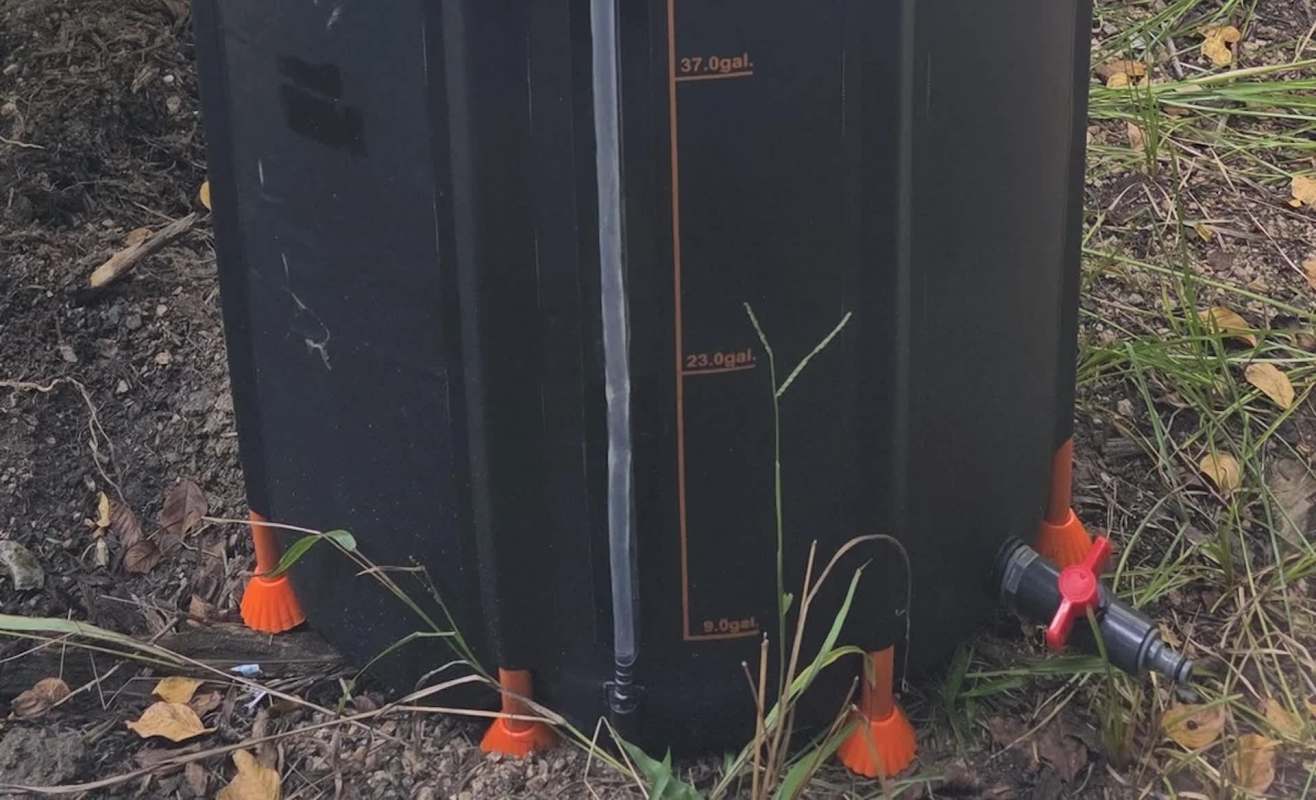
A Reddit user learned firsthand how much water an air conditioner can produce after collecting nearly 66 gallons of condensation in three days.
Those 66 gallons could help keep plants alive while offsetting part of an outdoor watering routine.
Here's what to know
The discussion started on r/Frugal, where the poster said they were shocked by how much water the unit had been shedding.
"Wow. I had no idea how much water the ac was actually dripping until now. I should have bought a bigger size container to catch all this water," they wrote. "I'm going to use this water for my plants. I wonder how much money this will save me from using this water instead of my sprinkler system?"
The idea is straightforward: collect the condensation and use it in place of tap water for outdoor plants. At that rate, 66 gallons every three days works out to roughly 22 gallons per day, or about 660 gallons over a 30-day stretch of steady cooling.
The savings from 66 gallons alone may be fairly small. But replacing hundreds of gallons of hose or sprinkler use over a month could help lower a utility bill. It also means less treated drinking water is being used on landscaping.
TCD Picks » Quince Spotlight
💡These best-sellers from Quince deliver affordable, sustainable luxury for all




Not every response was celebratory. One commenter raised a warning about Legionnaires' disease risk and wrote, "This is very resourceful but please be careful with this water if legionnaires disease is a risk in your area. It thrives in condensers and can be in this kind of condensate so just be mindful not to breathe spray and wash your hands after handling this water."
Condensation may be useful for nonpotable purposes, but it is also not drinking water, and storage conditions matter. A free resource can still come with trade-offs if you handle it carelessly.
What can be done?
Use a clean container, monitor how quickly it fills, and use the water only for nonpotable purposes, such as ornamental plants, unless local guidance says otherwise.
An uncovered tank left sitting can create sanitation or pest issues. If you store the collected water for long periods or use it in a way that sends droplets into the air, the health equation changes.
Check local public health guidance and the AC system manufacturer's recommendations, especially if you'll store larger volumes. The same goes for anyone concerned about water quality, copper, or contamination from the unit itself.
Where can I learn more?
AC condensate touches on a few everyday homeowner concerns at once: saving money, staying on top of maintenance, and managing moisture. These articles cover both sides: putting excess water to use and keeping systems clean and indoor humidity under control.
• A homeowner turned leaking AC water into a practical boost for a backyard composter.
• One frugal homeowner found a little-known AC setting that cut moisture and mold indoors.
• On TikTok, a homeowner showed how clean AC drains can improve airflow and efficiency.
• After a quick cleaning, one homeowner saw the difference was phenomenal in cooling costs.
• A simple thermostat tweak left one family saying their bill was cut in half.
A running AC can affect more than a home's temperature, from water use to monthly energy costs. Seeing that bigger picture can help homeowners decide which frugal ideas are worth trying and when basic upkeep should come first.

Get TCD's free newsletters for easy tips, smart advice, and a chance to earn $5,000 toward home upgrades. To see more stories like this one, change your Google preferences here.






