


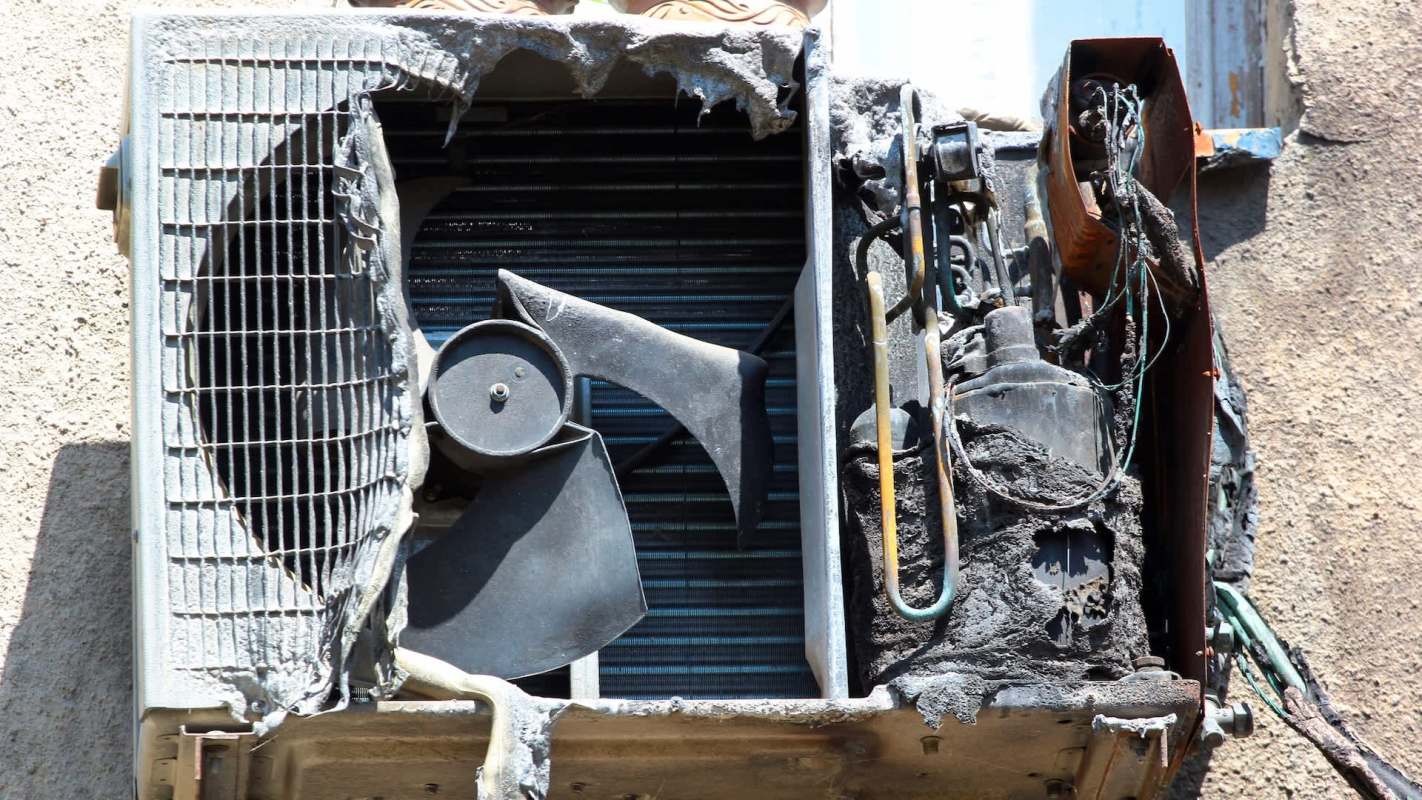
Few household problems feel more urgent than an air conditioner failing during extreme heat.
One homeowner's cooling system stopped cooperating on "the hottest day of the year," and their account of frozen coils, a stalling blower, and a burning smell quickly raised red flags.
What's happening?
In a post on Reddit, a homeowner detailed their plight. Despite having a brand-new filter, the homeowner noticed the evaporator coil and suction line icing over almost immediately.
They also said the blower motor would run for only a few minutes before getting hot and shutting off.
Earlier, the system had been short cycling, although cleaning the fins seemed to help for a time.
Before paying for an emergency HVAC visit, the user said they were waiting on a replacement capacitor and hoped the inexpensive part would fix the problem.
TCD Picks » Quince Spotlight
💡These best-sellers from Quince deliver affordable, sustainable luxury for all




"I'm just trying to get what I can done because an emergency HVAC call isn't something I want to pay for if it's a $10 capacitor," they wrote.
Commenters, however, warned that the problem might extend beyond a cheap part.
One replied, "The motor is overheating and overworked if it needs to cool down and then have the door open to run."
Another added, "A bad cap on the blower can cause freezing…. If the blower motor isn't running you have no airflow. No airflow equals freezing of the evaporator and suction line."
Why does it matter?
When cooling equipment fails during very hot weather, a home can become uncomfortable fast, especially for older adults, children, pets, or anyone with health conditions that heat can worsen.
If the problem really is a capacitor, the homeowner may be able to avoid a far more expensive emergency call and repair. But if the blower motor is failing or the refrigerant is low, repeatedly restarting the system could make the damage worse and push costs even higher.
A struggling AC can also waste electricity. Frozen coils, poor airflow, and short cycling often mean the unit is working harder than it should, which can raise utility bills without delivering reliable cooling.
A "burning smell" can also indicate a safety issue if overheating electrical components go unchecked.
What can I do?
For homeowners dealing with similar symptoms, the safest first step is usually to shut the system down and let any ice fully melt before testing it again. A blocked filter, closed vents, dirty coils, or even a backed-up condensate line can all contribute to airflow problems.
If there is a burning smell, buzzing, or repeated shutdowns, it is wise to stop running the system and call a professional. Capacitors can be dangerous to test or replace without proper training, and refrigerant issues should be handled by licensed HVAC technicians.
Keeping an electric cooling system clean and properly maintained can help it run more efficiently, lower monthly power use, and reduce the odds of a breakdown during peak heat.
If an older unit is nearing the end of its life, planning for a high-efficiency replacement before an emergency hits can save both stress and money.

Get TCD's free newsletters for easy tips, smart advice, and a chance to earn $5,000 toward home upgrades. To see more stories like this one, change your Google preferences here.






