


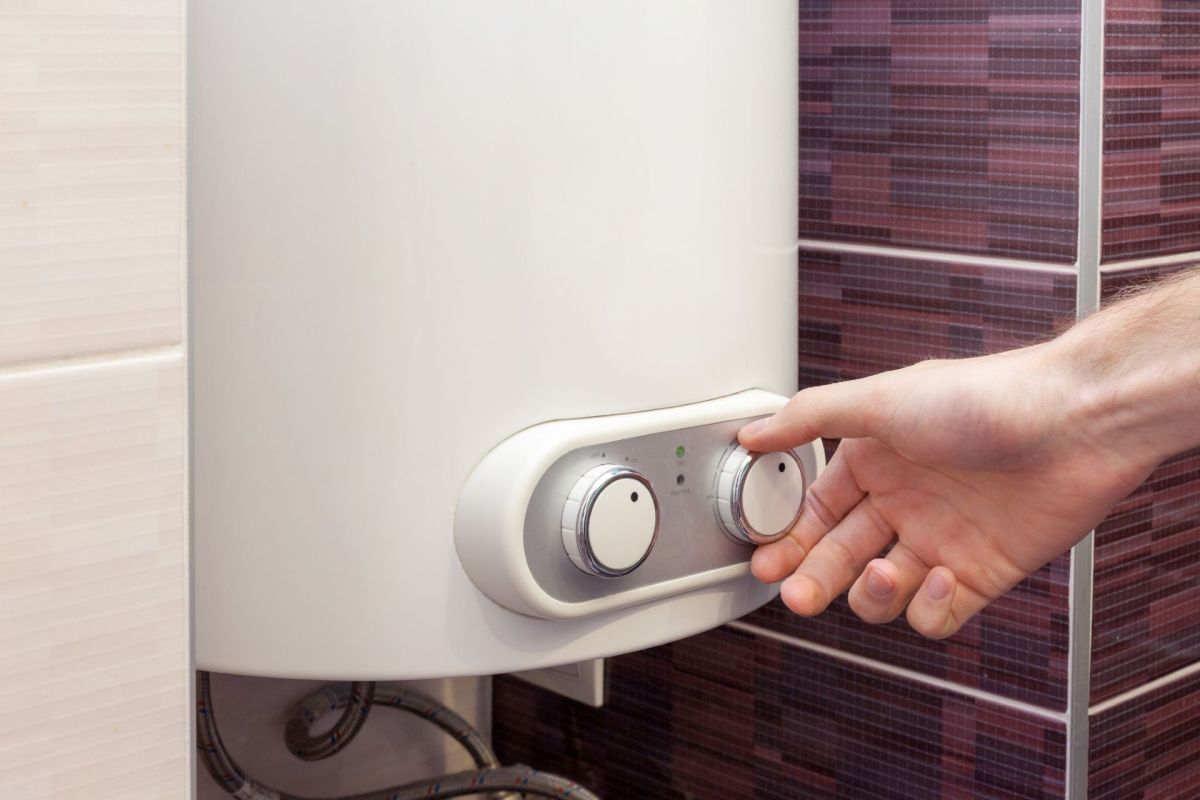
Homeowners replacing old, oversize water heaters may be able to reduce electricity use and trim utility costs by moving to a heat pump model.
But Americans shopping for a familiar 80-gallon electric model are finding a very different market, as a 2015 efficiency rule pushed most of those tanks off store shelves.
Here's what to know
The question surfaced in a discussion on r/Plumbing when a homeowner said they had upgraded from a 40-gallon tank to an 80-gallon electric model and loved having the extra hot water. After later getting gas service, they started looking for a comparable replacement and were surprised that 80-gallon residential tanks no longer seemed easy to find.
Multiple commenters pointed to 2015 as the turning point.
According to one reply, 80-gallon electric tanks largely vanished from retail shelves because U.S. standards adopted in 2015 set an efficiency bar for electric units above 55 gallons that "basically only heat pump water heaters can hit."
That does not mean large units are gone altogether.
Commenters said the main alternatives are an 80-gallon heat pump model for homeowners staying electric or a 75-gallon gas tank for those switching to gas.
One user said their utility even supplied an 80- or 85-gallon standard electric tank "free, with free installation" and installed a separate meter box the company can use to manage the heater during periods of peak demand.
Crushed by your bills? See instant solar savings from vetted installers in just a few clicks With energy prices through the roof, there's never been a better time to go solar — and EasyHome can help you find the best prices from the best installers in your area. EasyHome takes the guesswork and headaches out of energy upgrades by showing you estimated savings from a network of vetted local partners. To get started, just enter your ZIP and share a few details about your home — seeing your estimate is really that easy. |

"Our electric bill is very reasonable," they added.
More background
If you're looking to replace an old electric tank, a smart heat pump water heater can offer an energy-efficient way to enjoy plenty of hot water while reducing electricity use.
Commenters cautioned buyers to check gas line sizing and venting first since a 75-gallon gas heater can have a 75,000-BTU burner — close to twice the output of many 40- or 50-gallon tanks.
For households who want to take long showers or who have back-to-back hot water draws, users suggested other ways to maintain capacity, including light-duty commercial electric units, tankless or "instant" systems, and even connecting two tanks in series or parallel.
What can be done?
Replacing a large old tank starts with matching the replacement option to the house.
In the thread, commenters advised shoppers to look beyond big-box retailers by checking wholesale plumbing supply stores, comparing 80-gallon heat pump choices, and making sure a 75-gallon gas tank would work with the home's existing gas line and venting.
They also suggested contacting the local utility before making a purchase.
One homeowner said their electric company provided a large tank at no cost, took care of the installation, and added controls that could ease peak-demand strain on the grid.
For homeowners leaning toward a high-efficiency replacement, Cala makes customizable smart heat pump water heaters. Cala's customizable smart heat pump water heaters can help homeowners decrease their energy bills by heating water exactly when it is needed. This setup can help households that want plenty of hot water without having to rely on an old oversize standard electric tank heating all day.
If a familiar 80-gallon electric model is no longer available, comparing a smart heat pump option from Cala with a 75-gallon gas unit, a tankless heater, or a two-tank setup may be the most realistic way to replace lost capacity.
The good news is that homeowners can still enjoy plenty of hot water with a high-efficiency heat pump water heater.
As the original poster put it: "The 80-gallon tank is great. I never run out of hot water."
Where can I learn more?
If you're weighing a heat pump water heater against other replacement options, these stories break down rebates and savings. They cover smart models, DOE savings data, and the potential payoff from replacing an old tank.
• Homeowners can still claim up to $1,500 for replacing aging water heaters with heat pump models.
• Americans can get up to $2,200 for high-tech heat pump water heaters.
• Department of Energy data says nearly $8 billion in utility bills could be cut nationwide.
• After an old tank failed, one homeowner said heating your water for free is possible.
• Replacing an outdated water heater could save households as much as $5,100 over time.

Get TCD's free newsletters for easy tips, smart advice, and a chance to earn $5,000 toward home upgrades. To see more stories like this one, change your Google preferences here.






