


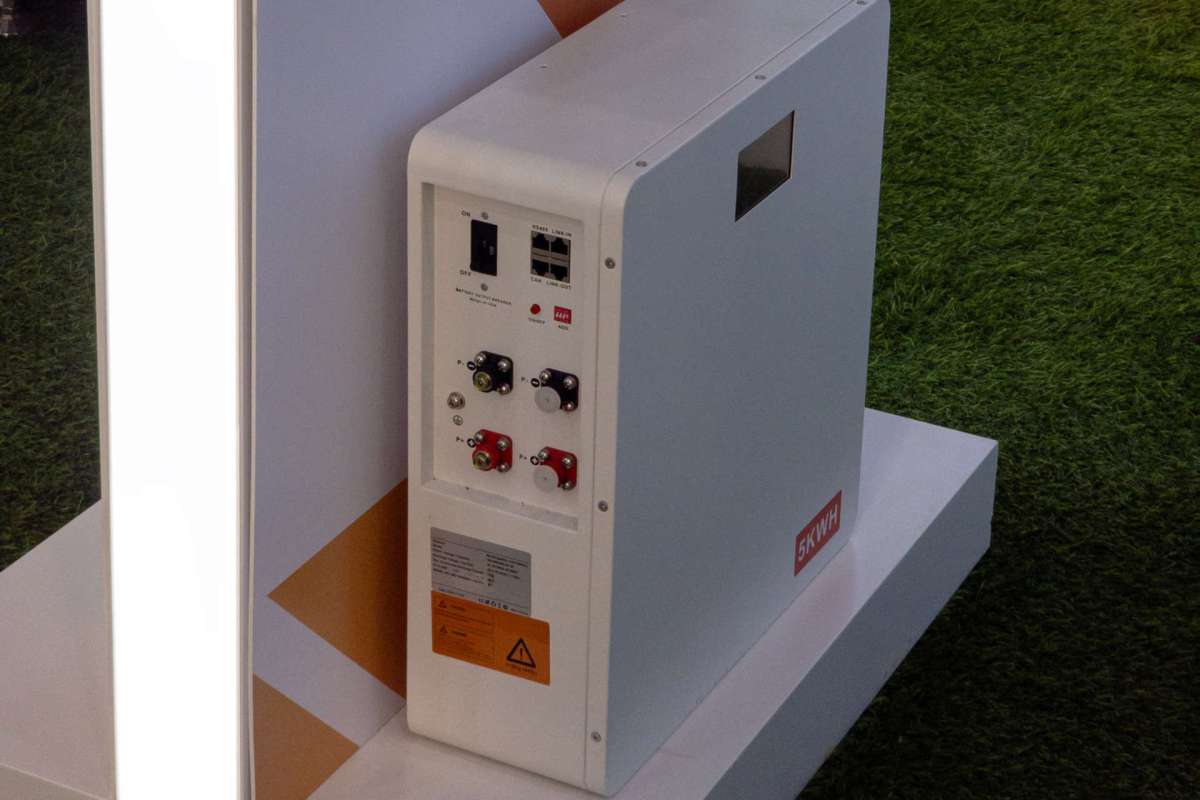
A question about whether 5 kilowatt-hours is enough storage is highlighting a seasonal problem for U.K. households trying to lower electricity bills.
A battery that feels adequate in summer can struggle once winter brings longer, darker, more power-hungry evenings.
Here's what to know
On Reddit, a prospective buyer in the r/OctopusEnergy subreddit asked other Octopus Go users how a 5-kWh battery holds up on winter evenings.
"Darker mornings, heating running more, everyone home more," they wrote. "5kWh feels like it'll run dry by 6pm and I'm back on peak rate for the whole evening."
The overall message from commenters was that 5 kWh can still be useful, but it often is not enough to cover all winter evening demand. Many said the better guide is actual winter electricity use.
One Reddit commenter used their own figures to illustrate the trade-off. They said their home averages about 7 kWh a day from October through January and estimated that, with a 5.12 kWh battery, they would still need around 2 kWh of peak-rate electricity on winter evenings, adding about 50p per day.
Over 120 dark evenings, they calculated that a 10 kWh system would cost roughly £60 (~$81 USD) a year more than a 5.12 kWh system, while also noting that if the larger battery costs more than £800 ($1,078) extra, the payback would take ">13 years."
Adding battery storage is one of the top ways to protect your home during outages, save money on energy, and go off-grid. As the saga showed, maximizing savings comes down to calculating the right-sized battery for your setup. EnergySage is a great place to start exploring home battery storage options, including competitive installation estimates.
Save $10,000 on solar panels without even sharing your phone number Want to go solar but not sure who to trust? EnergySage has your back with free and transparent quotes from fully vetted providers in your area. To get started, just answer a few questions about your home — no phone number required. Within a day or two, EnergySage will email you the best options for your needs, and their expert advisers can help you compare quotes and pick a winner. Solar panels can save you more than $50k over their 25-year lifespan, and EnergySage can help you save as much as $10k on installation. Which begs the question — isn't that worth an email or two? |

EnergySage has partnered with the electrification brand Qmerit to guarantee you get the best price on home battery storage solutions. Pila is another company that has outstanding battery backup options. Its plug-and-play batteries cost a fraction of a whole-home system.
More background
A big reason for the uncertainty is that winter changes both sides of the equation. Solar output drops, mornings and evenings stay darker for longer, and home energy use can rise as people spend more time indoors and run heating or cooking appliances.
The advertised battery size also is not always the amount a household can actually use. One commenter said their system is set to stop discharging at 20% to help protect the battery.
In practice, savings improve when more of a home's high-cost evening consumption can be shifted onto electricity bought during cheap overnight hours.
What can be done?
For homeowners deciding between 5 kWh and 10 kWh, commenters repeatedly pointed to past winter data as the starting point. The main comparison is how much electricity the home uses outside cheap-rate charging hours versus how much battery capacity is really available.
Another consideration was whether the household can export electricity, since that can improve the return on added storage.
That said, commenters did not treat a larger battery as the automatic best choice. If peak-period use is usually closer to 5 kWh than 10 kWh, the smaller option may offer a better return on investment. But if usage outside off-peak hours regularly rises above 8 kWh in a day, several commenters said the larger battery is probably the safer pick.
Where can I learn more?
The Reddit debate points to an issue bigger than battery size alone. When a home uses power, how much background demand is always running, and whether a battery can earn extra value from the grid all shape how far a smaller system will really stretch.
• In Great Britain, using more power can help households avoid costly grid imbalances.
• In the U.S., sonnen is building a virtual power plant from connected home batteries.
• In the UK, neighborhood-scale batteries could cut bills by storing cheaper electricity for later.
• In many homes, unplugging energy vampires can trim the background load that quietly drains batteries.
• Around the home, switching outdoor halogen bulbs to LEDs can ease evening battery demand.
A battery's headline capacity only tells you so much. What matters just as much is timing, everyday demand, and whether the system has other ways to cut costs or bring in value over the course of a year.

Get TCD's free newsletters for easy tips, smart advice, and a chance to earn $5,000 toward home upgrades. To see more stories like this one, change your Google preferences here.






