


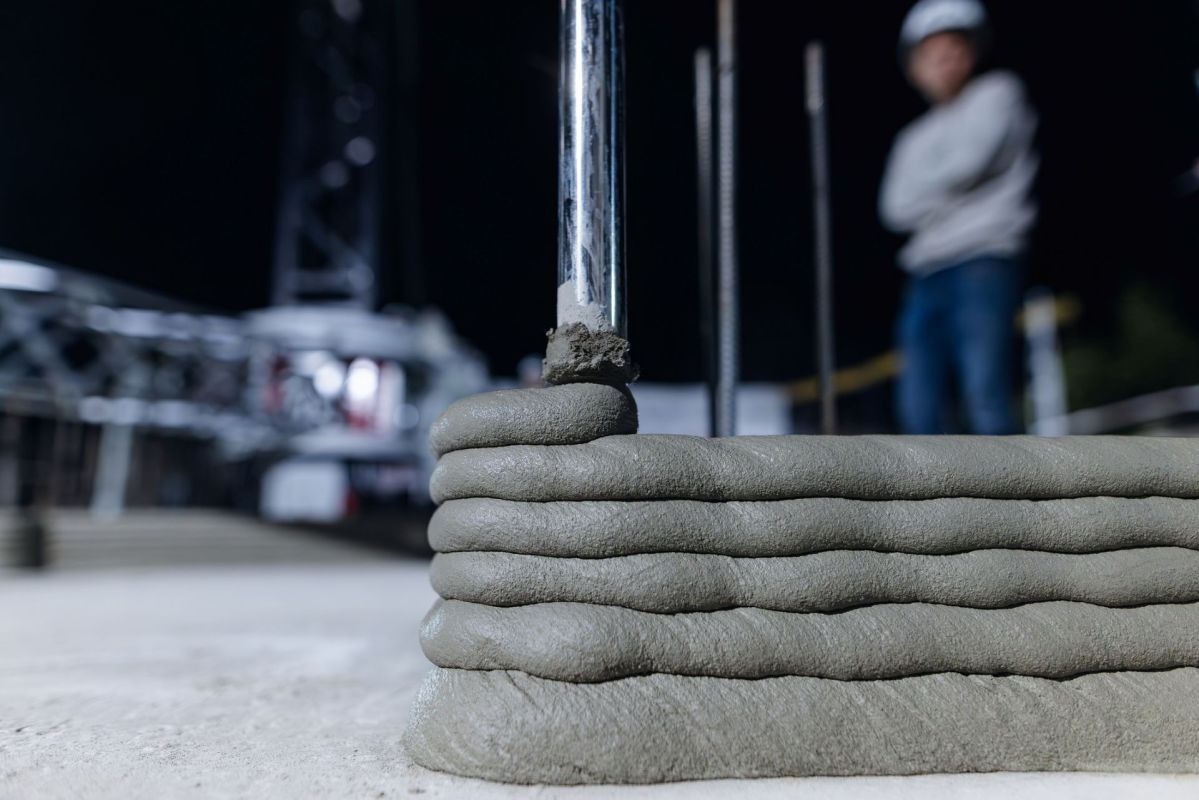
Pasadena leaders are weighing two housing ideas to move people out of homelessness more quickly: using an existing motel for temporary stays and installing 3D-printed units made from recycled materials.
Here's what to know
According to Pasadena Now, the Pasadena Human Services Commission is set to hear from Azure Printed Homes co-founder Gene Eidelman about the company's factory-built housing approach.
Azure Printed Homes makes the structures from recycled polymer at its Gardena facility, and Eidelman's presentation materials highlight two California projects.
One example is in Camarillo, where the company produced six tiny homes in six weeks for a 6,000-square-foot lot. The other is in San Luis Obispo, where the company produced 62 units in Los Angeles over 10 weeks on a three-quarter-acre site planned to serve 54 unhoused people with interim housing, permanent housing, and services.
Before taking up the 3D-printed proposal, the commission had already endorsed a different concept. On August 12, commissioners unanimously voted to send a report to the City Council and the Housing, Homelessness and the Planning Committee recommending a one-year master lease in which the city would take all rooms at an existing motel for extended transitional stays.
That report says the motel strategy is meant to work alongside emergency shelter rather than replace it. The same document also outlines the depth of Pasadena's housing shortage, citing a 2025 point-in-time homelessness rate of 423 per 100,000 residents, along with 38 federally subsidized properties containing 2,289 rent-restricted units for a city with 7,541 households below the poverty line.
TCD Picks » Quince Spotlight
💡These best-sellers from Quince deliver affordable, sustainable luxury for all




More background
Traditional affordable housing projects can take years to finance, permit, and build, while both ideas before the city are framed as ways to get people indoors faster.
The 3D-printed proposal centers on compressed construction timelines, while the motel plan would make use of buildings that already exist.
The motel report says commissioners estimated annual costs of about $3.5 million to $4 million for a 50-bed master-leased site. The one-time startup bill could be more than $2 million lower than that of a new emergency shelter.
Faster transitional housing can give people and families more stable places to stay while they connect with case management, health support, and longer-term housing, rather than remaining outdoors in crisis.
What's being done?
Pasadena is pursuing multiple responses at the same time. In the motel report, commissioners say master leasing "is not an alternative to an emergency shelter" and indicate that both models could operate together.
The 3D-printed housing pitch adds another option to that discussion: small, quickly produced units that can be placed on relatively compact sites.
In discussing the scale of the issue, commissioners have described it as "a number that we feel can be reduced to functional zero."
Where can I learn more?
Pasadena's discussion around 3D-printed transitional housing is part of a much wider push to build homes faster. The stories below show how that approach is playing out elsewhere, from policy proposals to projects finished on unusually short timelines.
• In Oklahoma, lawmakers are weighing 3D-printed home subsidies to ease the housing shortage.
• In Portugal, Havelar built a 3D-printed house in under 20 hours.
• In California, a family is moving into a game-changing design built by 3D printing.
• In Boulder, crews finished the first legally habitable 3D-printed home with printed walls.
They show how quickly 3D-printed housing is shifting from pilot projects to real housing decisions. That context may help explain what Pasadena leaders are weighing as they sort through questions of speed, cost, and practicality.

Get TCD's free newsletters for easy tips, smart advice, and a chance to earn $5,000 toward home upgrades. To see more stories like this one, change your Google preferences here.






