


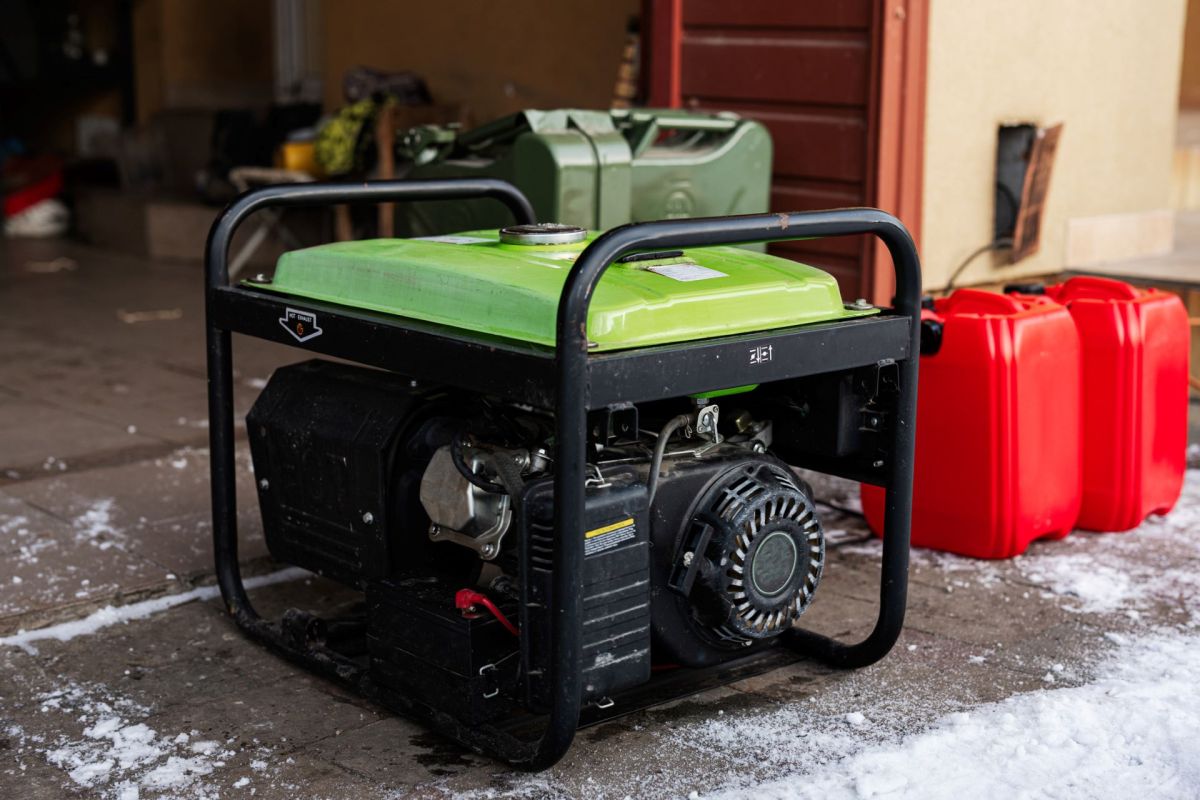
A rural homeowner preparing for winter power outages sparked a discussion about keeping their family of four warm, supplied with water, and connected to electricity, especially when gasoline supplies can only last so long.
The homeowner took to Reddit's r/Preppers community to ask what variables they were overlooking while preparing for prolonged blackouts.
Here's what to know
In the Reddit thread, the original poster explained that winter lows reach around 10 degrees at their two-acre rural property, where ice and snow threaten the aging power lines. They noted that they already have a generator with 25 gallons of gasoline on hand.
The OP wrote, "I'm specifically prepping for prolonged loss of power. .... 30 days potentially, as my area has had 2 weeks happen about 10 years ago." They added that "I'm most interested in hearing about the things I'm probably overlooking or not thinking about, and also what kind of solar generator I'd need to have some sort of self-sustained electricity."
Several commenters focused on keeping the family warm, suggesting a properly installed wood stove or having everyone sleep in one room. Others recommended an indoor tent to help retain body heat. One commenter also noted that keeping the house warm could help prevent frozen pipes, which "you'll have a disaster of a time trying to replace."
A commenter who had delivered 10 gallons of water to a neighbor after their well pump failed said they keep 20 gallons of extra water in reused Culligan jugs for flushing toilets. Their example highlighted the need to store water for more than drinking.
For households facing rising energy prices, rooftop solar panels are the most effective solution; solar leases may save hundreds of dollars per month with no upfront costs. EasyHome is a marketplace connecting solar shoppers with unique prices and exclusive deals from trusted partners.
What can be done?
Several other commenters suggested pairing the existing generator with a portable battery, mentioning brands such as Jackery and EcoFlow. The stored electricity could power smaller loads between charging sessions, with solar recharging the battery when possible and the generator filling in as needed.
Crushed by your bills? See instant solar savings from vetted installers in just a few clicks With energy prices through the roof, there's never been a better time to go solar — and EasyHome can help you find the best prices from the best installers in your area. EasyHome takes the guesswork and headaches out of energy upgrades by showing you estimated savings from a network of vetted local partners. To get started, just enter your ZIP and share a few details about your home — seeing your estimate is really that easy. |

Another commenter suggested keeping generator-specific spare parts on hand, including fuel filters and hoses. And in response to a propane-heater recommendation, another commenter added a carbon monoxide detector to the checklist.
One simply recommended "a manual can opener."
For shoppers considering a rooftop system, EasyHome works like Groupon for home energy, negotiating unique offers for its large audience. It also offers special battery deals, as pairing solar with battery storage can increase savings and provide backup electricity during outages.

Get TCD's free newsletters for easy tips, smart advice, and a chance to earn $5,000 toward home upgrades. To see more stories like this one, change your Google preferences here.






