


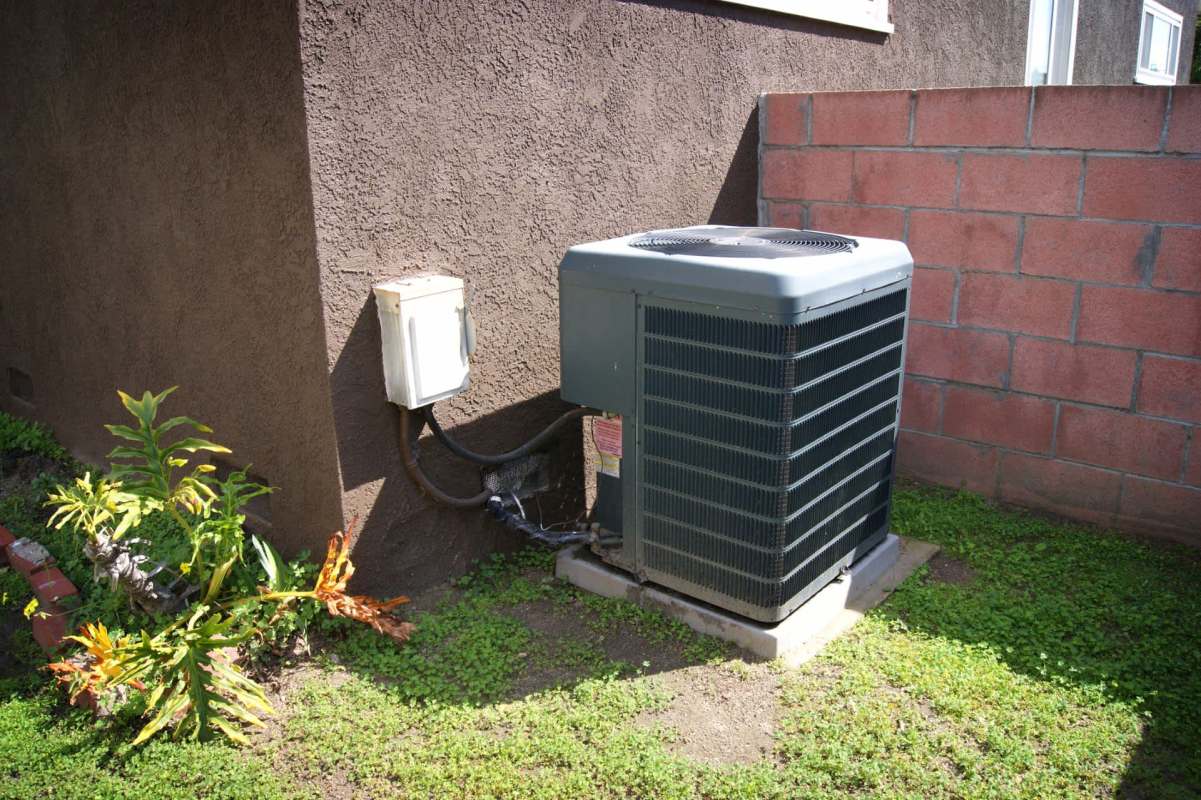
When temperatures climb into the triple digits, it can feel like even a reliable air conditioner is on the verge of giving out.
But in one online discussion, homeowners said a struggling AC unit is not always a sign that the system itself is failing. In some cases, the issue may be the house around it, and one 29-year-old unit offered a perfect example.
Here's what to know
In a Reddit thread posted to the r/homeowners community, people shared how their old AC systems managed extreme heat.
"System has no issue keeping the house at 80F/27C when it's less than 100F/38C, but between the sun loading and the high heat she is struggling," the original poster wrote.
One reply highlighted a different experience. The commenter said their 29-year-old unit was doing well, adding that it got checked annually, the coils were kept "clear and clean," and light-blocking curtains seemed to help.
Across the discussion, people argued that house conditions matter at least as much as the age of equipment.
TCD Picks » Quince Spotlight
💡These best-sellers from Quince deliver affordable, sustainable luxury for all




"Performance is totally dependent on how well insulated your place is," one person wrote. They compared a well-insulated home to a foam cooler that can stay cold even when the weather outside is blazing.
Other examples in the thread pointed to ways homes can reduce cooling demand and costs.
One commenter said shade trees and double-pane windows kept their house at 68 degrees through many 90-plus-degree days without any AC, while another said it was "usually cheaper for us to JUST run the window units" only in rooms that are being used rather than cooling the full house.
More background
Of course, the responses featured accounts of systems that were 30 years old and performing well, while one unit "less than 15 years old" was being backed up with window units.
Cooling costs are not determined by the AC alone. Insulation, windows, tree cover, curtains, attic conditions, and the amount of direct sunlight a home absorbs can all influence whether a system cycles normally or runs constantly.
Those differences show up in utility bills too. The original poster said prolonged heat sent their electric costs "from $50 to $300 for two months." Another commenter, using a 28-year-old unit in a poorly insulated 1960s home, said their highest electric bill was $162.

Get TCD's free newsletters for easy tips, smart advice, and a chance to earn $5,000 toward home upgrades. To see more stories like this one, change your Google preferences here.






