


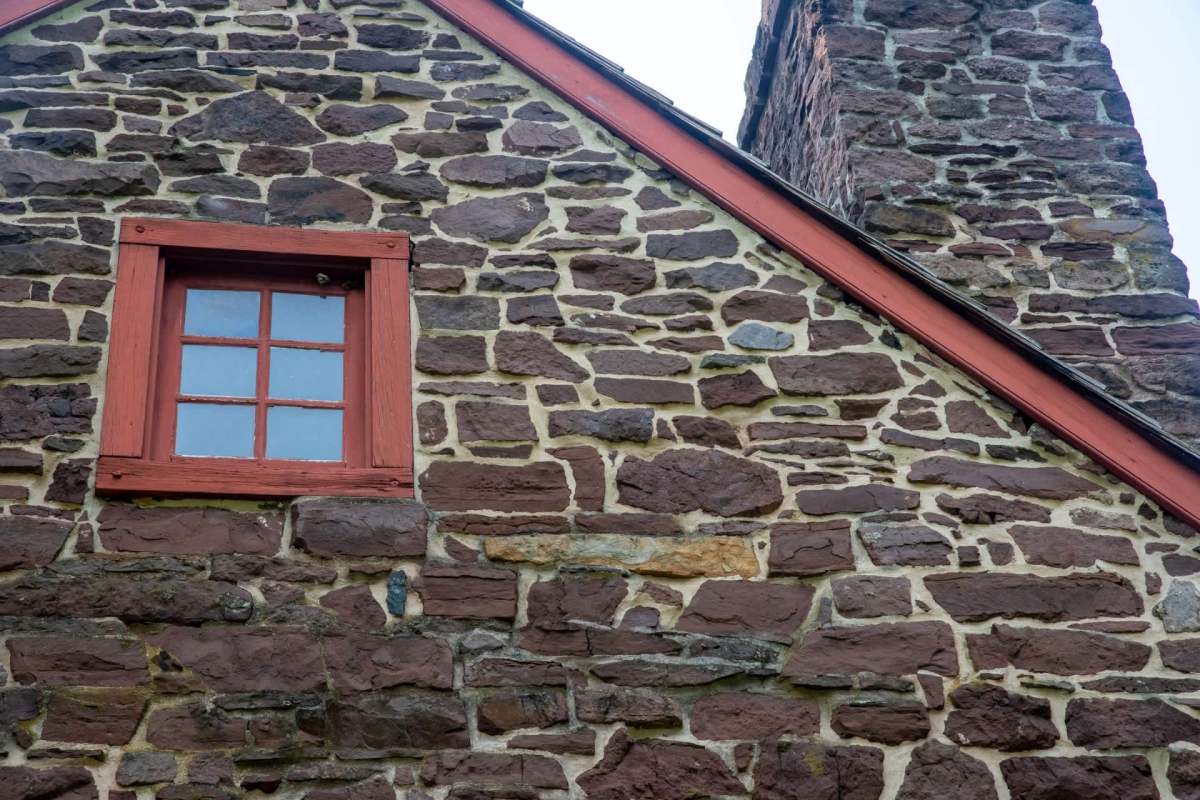
For one family living in a 240-year-old stone house, indoor conditions in summer have become so severe that they say they have had to stay in a hotel.
The striking part, they say, is that the air-conditioning has been inspected twice, found to be working properly, and still has not been able to cool the home enough.
Here's what to know
In a Reddit post on r/centuryhomes, the homeowner said indoor temperatures can remain above 90 degrees Fahrenheit despite central A/C and two portable cooling units. They described the 1,675-square-foot house as a home from the 1780s with roughly 3-foot-thick stone walls, low ceilings, original single-pane windows, and a central system sized for a larger house.
"This is affecting our lives at this point," the poster wrote, "we've had to leave and stay in a hotel when we can't get the indoor temp below 90°."
The original poster summed up the frustration plainly: "We can't even cook normal meals because the kitchen is over 80° in the late afternoons when it's all of 85° outside and running the stove will bring it up over 90°."
Summer electricity costs have risen sharply too. The homeowner said power bills have reached "upwards of $600," versus about "$175ish" in winter, even with gas heat.
TCD Picks » Quince Spotlight
💡These best-sellers from Quince deliver affordable, sustainable luxury for all




Attention in the comments turned quickly to the building envelope and ventilation. One commenter offered a straightforward suggestion: "You need to have thermal imaging inspection."
More background
Old stone homes are often praised for staying cool in warm weather because thick masonry can slow heat transfer. But thermal mass can also become a drawback if a building absorbs heat during the day and struggles to release it at night, especially when airflow is limited.
By the homeowner's account, several likely causes have already been checked off the list: the A/C is not malfunctioning, and the blocked chimneys were tested to make sure they were not drawing cool air out of the house. They said the family also opens windows when it cools off outside and uses fans for circulation, but the house warms up again by midmorning.
A separate commenter raised another possibility, asking whether past renovations might have sealed off old wall vents used for passive airflow in some historic houses. The OP said that the renovation drawings and photos showed nothing to suggest that anything like that had been covered up.
What can be done?
Several commenters said the issue may lie in the house itself rather than the HVAC equipment alone, and that a thermal imaging inspection could help pinpoint hidden hot spots.
Commenters also suggested cheaper ways to start checking. One wrote that "Libraries might have those too," referring to thermal cameras, while another said a handheld spot-temperature tool costing about $50 can help locate problem areas. A borrowed device or low-cost thermometer could be a cheaper first move than guessing.
Where can I learn more?
The articles below get at the same issue commenters raised here: when the air-conditioning is working, but a house still will not cool down, the next place to look is often the building envelope and the way air moves through the space. They also offer a few examples of how homeowners and builders are trying to reduce heat gain before the cooling system gets overwhelmed.
• In Missouri, sweltering heat from a previous owner's costly blunder pointed straight to the attic.
• Developers are reviving ancient and unusual methods to keep indoor temperatures down.
• In Montana, a Swedish-inspired energy-efficient home stays cool in summer with almost no bills.
They help explain why brutal indoor heat is often harder to fix than a simple HVAC service call. In older homes especially, better insulation, shading, and airflow can be the difference between relief and another sleepless night.

Get TCD's free newsletters for easy tips, smart advice, and a chance to earn $5,000 toward home upgrades. To see more stories like this one, change your Google preferences here.






