


For anyone tired of being pushed to replace something that still works, one Reddit thread struck a nerve.
The conversation began with a decades-old sweater that remains in great shape and a blunt rejection of the idea that age alone makes an item disposable.
Here's what to know
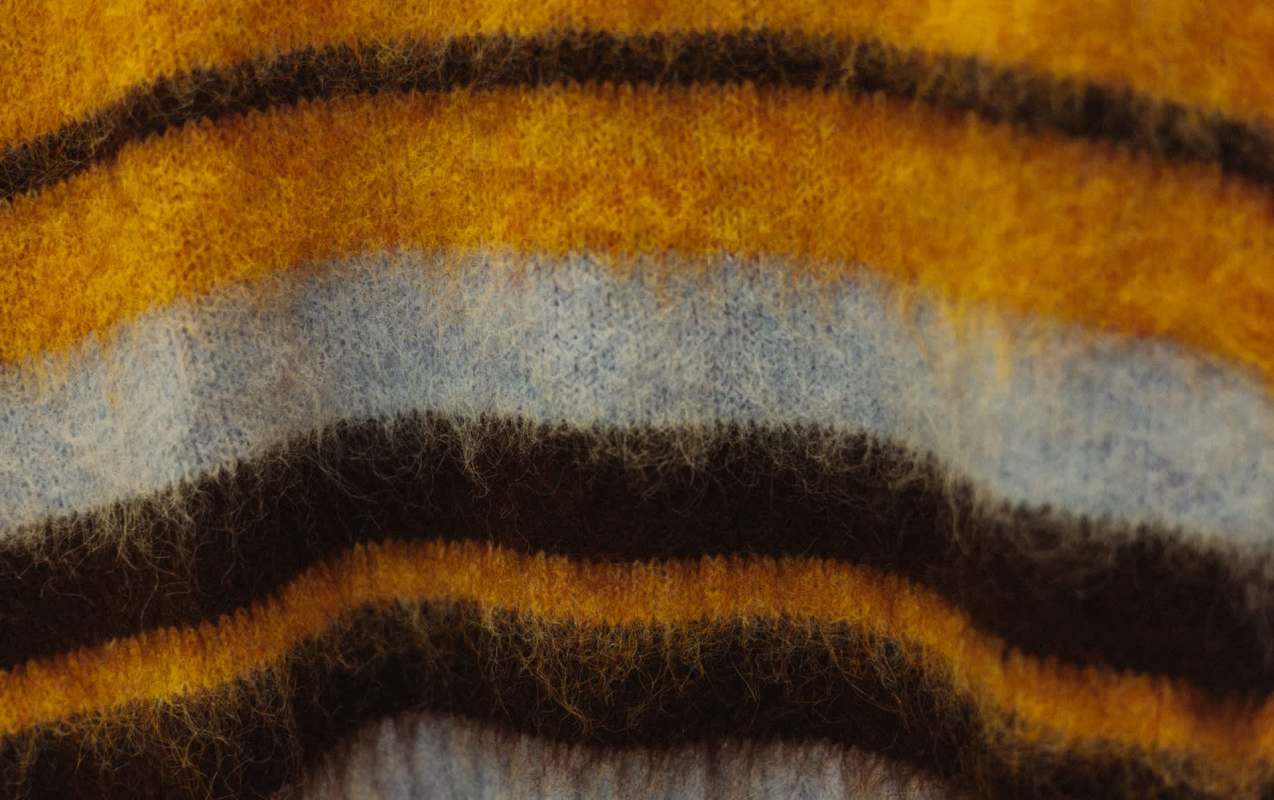
Writing in the r/Anticonsumption forum on Reddit, one original poster described a wool sweater their mother had handed down after picking it up secondhand sometime in the 1990s.
They said they have worn it "almost daily every cold season since I was in high school" and that "it still looks great, with proper care those things can really last a lifetime."
Trouble started when a newer acquaintance argued that the sweater belonged in the trash simply because it was old, calling it "disgusting."
In response, the OP said the "constant pressure to update and refresh everything we have is so heavy on the mind. It's not enough to have the corporations screaming 'BUY' at us everywhere we go, apparently we need to annoy each other as well."
TCD Picks » Quince Spotlight
💡These best-sellers from Quince deliver affordable, sustainable luxury for all




OP then added, "I mean, come on lady, I've known this sweater for longer than I know you."
As one commenter wrote, "Mhm. Commercials are bad enough, but random unpaid people reciting commercials at you verbatim are a bit much." A different user added, "people who ask these questions are plagued by the insecurity that corporate consumerism has instilled in them. Feel sorry for them and move on."
A third commenter said, "I wish I had kept more of my former clothes. The material used today is terrible and clothes just do not last."
More background
A well-made sweater, stainless steel bottle, backpack, or pair of shoes that lasts for years can save money over time compared with buying cheaper replacements again and again.
Extending the life of clothing and household goods also helps reduce waste, packaging, and demand for new manufacturing. Buying secondhand can stretch those benefits even further by giving quality items a much longer usable life. Plus, higher-quality used goods often cost less upfront than buying new, lower-quality versions that wear out quickly.
Proper care, repairs, and basic maintenance can all dramatically extend the life of clothing, bottles, bags, and small household goods. It also helps to separate cosmetic wear from actual safety issues.
Faded paint, scuffs, and older styling do not automatically mean something needs to be replaced. In many cases, those signs of wear simply show an item has done its job well.
Where can I learn more?
You can see that same pressure to replace perfectly usable things in plenty of conversations about clothing care and secondhand shopping, not just in one sweater story.
• On Reddit, frugal laundry advice helps modern clothes stay wearable far longer.
• A simple darning trick keeps worn socks in rotation longer.
• Across the U.S., Gen Z's resale boom is keeping more textiles from ending up in landfills.
Across these stories, the message is that things last longer when we care for them, repair them when we can, and stop treating age as the only reason to replace them.

Get TCD's free newsletters for easy tips, smart advice, and a chance to earn $5,000 toward home upgrades. To see more stories like this one, change your Google preferences here.






