


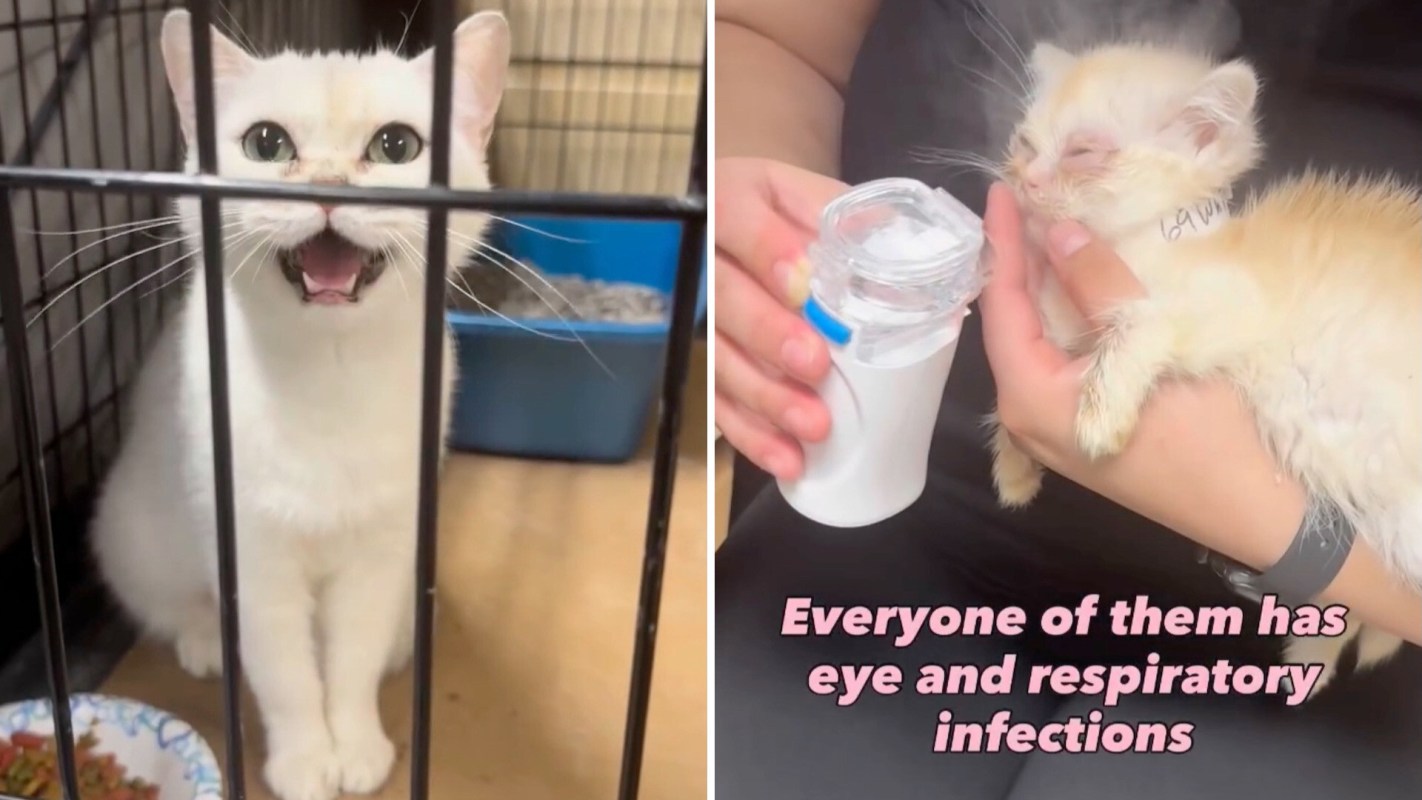
On Long Island, authorities are still dealing with a large-scale animal rescue after 155 animals were taken from a house investigators said was not safe for either people or pets.
People reported that, even nearly three weeks after the arrest in the case, search teams were still trying to find any cats that may have been given outside access.
What happened?
At a June 9 arraignment, 54-year-old Glen Cove resident Alena Horbatko pleaded not guilty to 67 counts of torture, injury and failure to feed an animal, along with two counts of second-degree reckless endangerment and one count of acting in a manner injurious to a child. Police in Glen Cove said the charges are tied to the discovery of more than 150 cats and two dogs inside a home linked to her.
Authorities began looking into the situation after Horbatko's 18-year-old daughter reached out with concerns about her 12-year-old sister. When officers carried out a search warrant in early June, the conditions were severe enough that personnel went inside wearing hazmat suits.
Rescuers say the number of animals recovered has since risen to 155, after authorities first removed 134 cats and two dogs from the property. Officials added that trapping efforts are still continuing for cats that may have gotten outside.
The judge also barred Horbatko from owning animals and issued court-ordered animal forfeiture and stay-away orders.
TCD Picks » Quince Spotlight
💡These best-sellers from Quince deliver affordable, sustainable luxury for all




Why does it matter?
Animal hoarding can quickly become a major health and safety crisis for both animals and humans. In severely overcrowded homes, pets may be deprived of adequate food, veterinary care, sanitation and safe shelter, while residents — including children — can be exposed to hazardous air quality and dangerous biohazards.
Rescues on this scale are resource-intensive. Volunteers, local police, animal welfare organizations and shelter workers often have to coordinate transportation, medical treatment, housing and adoption support for dozens — or in this case, more than 150 — vulnerable animals at once.
Operations like this can put additional pressure on already full shelters. They can also create opportunities for adoptable animals to find permanent homes, helping rescued pets and the broader shelter system, which often operates with limited space and staffing.
What's being done?
The response has expanded beyond local groups. After a request from the Nassau County District Attorney's Office, the ASPCA transported 31 cats to its Manhattan Adoption Center, helping spread the care load across more facilities.
Cove Animal Rescue is still offering many of the rescued cats and kittens for adoption.
NCSPCA Detective Brian Wasserman said the effort is not over: "We have to continue to trap and come back until there is nothing to trap."

Get TCD's free newsletters for easy tips, smart advice, and a chance to earn $5,000 toward home upgrades. To see more stories like this one, change your Google preferences here.






