


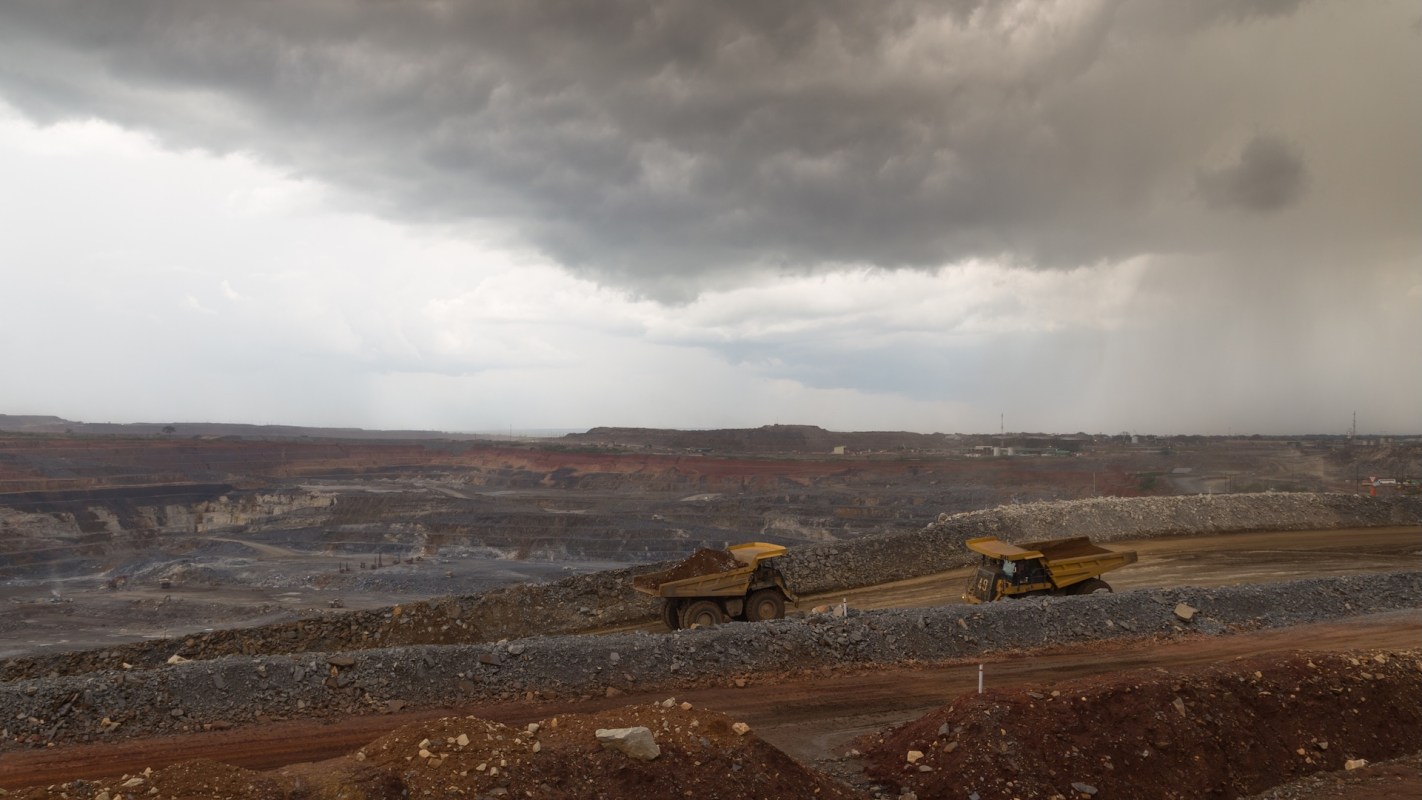
President Hakainde Hichilema's reelection gave Zambia another chance to build on its mining recovery. But if the country wants to turn renewed investor confidence into a major copper expansion, it will need much more electricity — and fast.
The challenge is especially urgent because Zambia's power system is already under strain and climate pressures threaten to make the situation worse.
Here's what to know
More than $10 billion has flowed into Zambia's mining sector since 2021 after tax reforms and talks with miners, Ecofin Agency reported. Hichilema's roughly 60% reelection win last week means that approach will continue for another five-year term, supporting the return of investors to copper.
Zambia is seeking annual copper production of 3 million metric tons by 2031. Industry executives estimated that reaching that level within five years would take at least 2,000 megawatts of extra power capacity.
But power supply is already falling short. The deficit was nearly 707 megawatts in 2025 and is expected to grow this year because new generation is arriving too slowly for rising demand from mines and other large businesses.
Hydropower dependence is a major reason the system is so exposed. It made up 81% of installed capacity in October, and the 2024 drought cut dam output sharply, pushing mining companies to more expensive imported electricity.
TCD Picks » Quince Spotlight
💡These best-sellers from Quince deliver affordable, sustainable luxury for all




More background
Copper is a cornerstone of Zambia's economy, and higher production could bring jobs, export revenue, and business growth. But ongoing power shortages can slow industrial activity, raise costs, and make it harder for those gains to reach local communities.
Because the government has steered electricity toward mines and other big industrial customers, many households have been left to absorb the load-shedding. Those outages can affect everyday needs such as refrigeration and electricity for small businesses, schools, and health services.
At the same time, worsening extreme weather disasters threaten lives and livelihoods. Droughts and other climate-driven shocks can reduce access to both electricity and water, weaken food security, strain health systems, and undermine economic stability.
Another worry is the weather outlook. A strong El Niño is developing and could persist into 2027, increasing concern that reduced rainfall may again curb hydropower generation in southern Africa.
What's being done?
To reduce the shortfall, Zambia is accelerating solar projects and other new sources of generation. A broader energy mix could make the country less dependent on rainfall and keep electricity stable for households and industry during drought years.
ZESCO's financial recovery will be important to any lasting fix. If the state utility is on firm financial footing, it could be better positioned to maintain infrastructure, support new projects, and add capacity over time.
"In southern Africa, [El Niño] is generally associated with lower rainfall during the rainy season, potentially reducing hydropower generation," Ecofin Agency stated.

Get TCD's free newsletters for easy tips, smart advice, and a chance to earn $5,000 toward home upgrades. To see more stories like this one, change your Google preferences here.







