


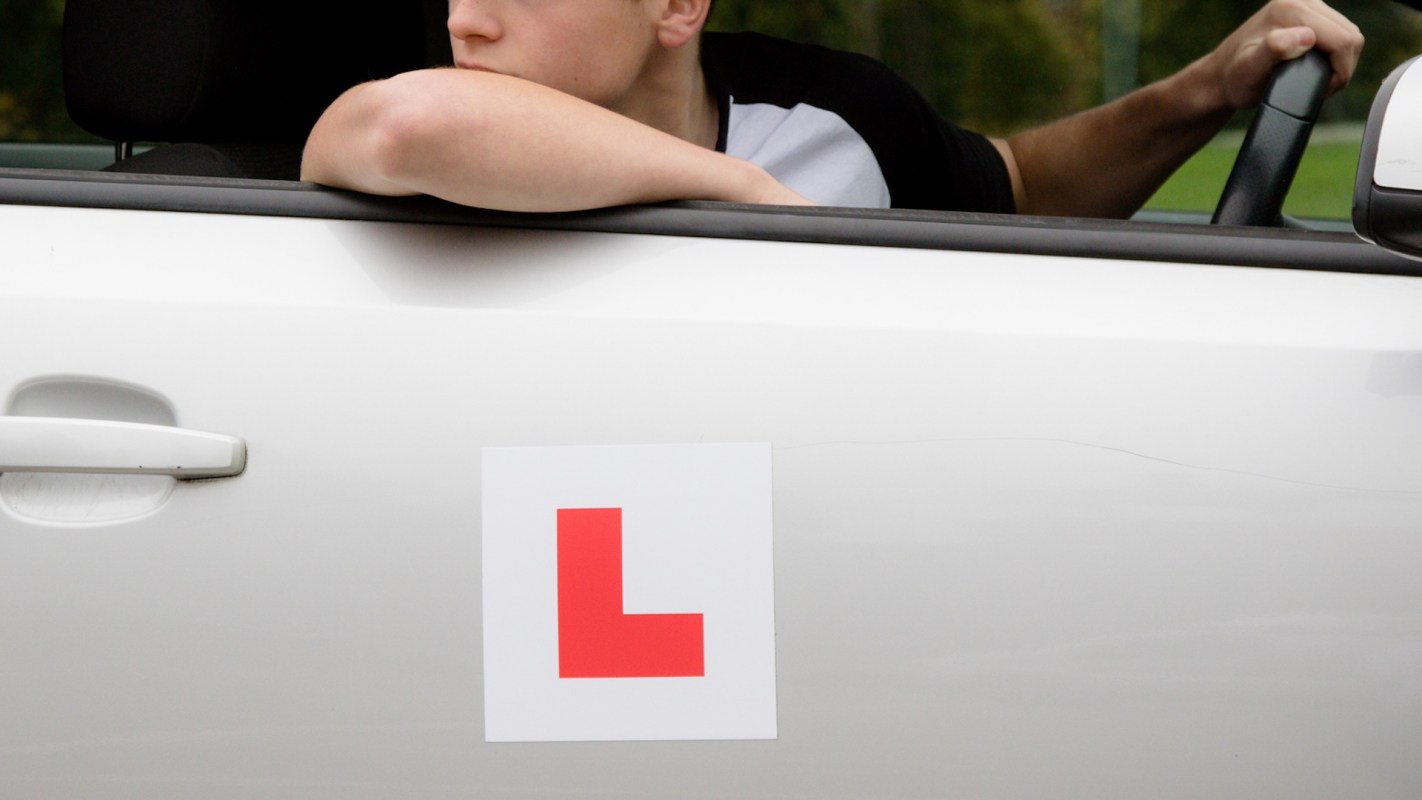
In Britain, getting a driver's license is no longer a routine rite of passage for many young adults.
Cost is a major reason: the average cost to pass a driving test in 2026 is at least £924 (over $1,200), and 19% of young people say the price has stopped them from even considering learning to drive.
Here's what to know
As The Week summarized from Confused.com research, the £924 total includes a minimum of £777 (about $1,000) for the just over 18.5 hours of lessons learners typically pay for, plus fees listed at £23 (around $30) for the theory exam and £62 (around $80) for the practical test.
And many learners don't pass the first time: roughly half in Britain need at least one retake, which can quickly drive up the total.
The Week also cited Prima research finding that 70% of British adults without a full driving license think learning to drive is unaffordable. Separate Confused.com research found that 19% of young people in Britain had not even thought about learning because of the cost.
Among 18- to 29-year-olds, the affordability problem was sharper still: 76% said learning to drive is too expensive.
TCD Picks » Quince Spotlight
💡These best-sellers from Quince deliver affordable, sustainable luxury for all




Helen Coffey of The Independent said this has created a "driving divide," with getting a license becoming "frequently the preserve" of young people "privileged enough to have parents who can cover the cost."
More background
Expense is only part of the problem.
Actually getting a practical test is another challenge. Before the COVID-19 backlog took hold, the average wait in February 2020 was about five weeks. The Week noted, citing The Telegraph, that learners who can afford lessons often face waits of between five and six months, with delays rising "astronomically."
Passing the test does not end the financial squeeze. New drivers in Britain can expect to pay an average of £1,241 (over $1,600) for insurance, creating another major hurdle immediately after getting a license.
Lucy Reade of The New World argued that many young people simply don't need to drive. Compared with earlier generations, Gen Z are more "concerned about climate change" and more "nutty about public transport," especially as a "massive urban migration" has drawn many younger people to cities where transit is easier to use.
What's being done?
The Driver and Vehicle Standards Agency has at least tried to address the backlog of tests. As The Week reported, it aimed to cut the average wait to seven weeks by the end of 2025, bringing delays much closer to pre-pandemic levels.
That target has slipped.
Transport Secretary Heidi Alexander moved the deadline to summer 2026 and acknowledged that the revised goal still would not be met.
Reade said many younger Britons, particularly in cities, do not need to drive and can easily access public transport. She also pointed to the prospect of self-driving taxis, which could appeal to a generation already less tied to car ownership and less convinced that learning to drive is worth the cost.
As Reade put it, "For a generation already less likely to learn to drive, the prospect of simply summoning a robot car to do it for us may prove irresistible."
Where can I learn more?
These stories examine how similar costs and transportation shifts affecting young Britons' interest in driving are changing how people think about getting around more broadly.
• In the U.K., ministers are moving toward a ban on new petrol and diesel cars.
• People who went car-free for three weeks sharply cut emissions and reconsidered daily travel.
• For delivery workers, switching to an EV can dramatically lower fuel and maintenance costs.

Get TCD's free newsletters for easy tips, smart advice, and a chance to earn $5,000 toward home upgrades. To see more stories like this one, change your Google preferences here.






