


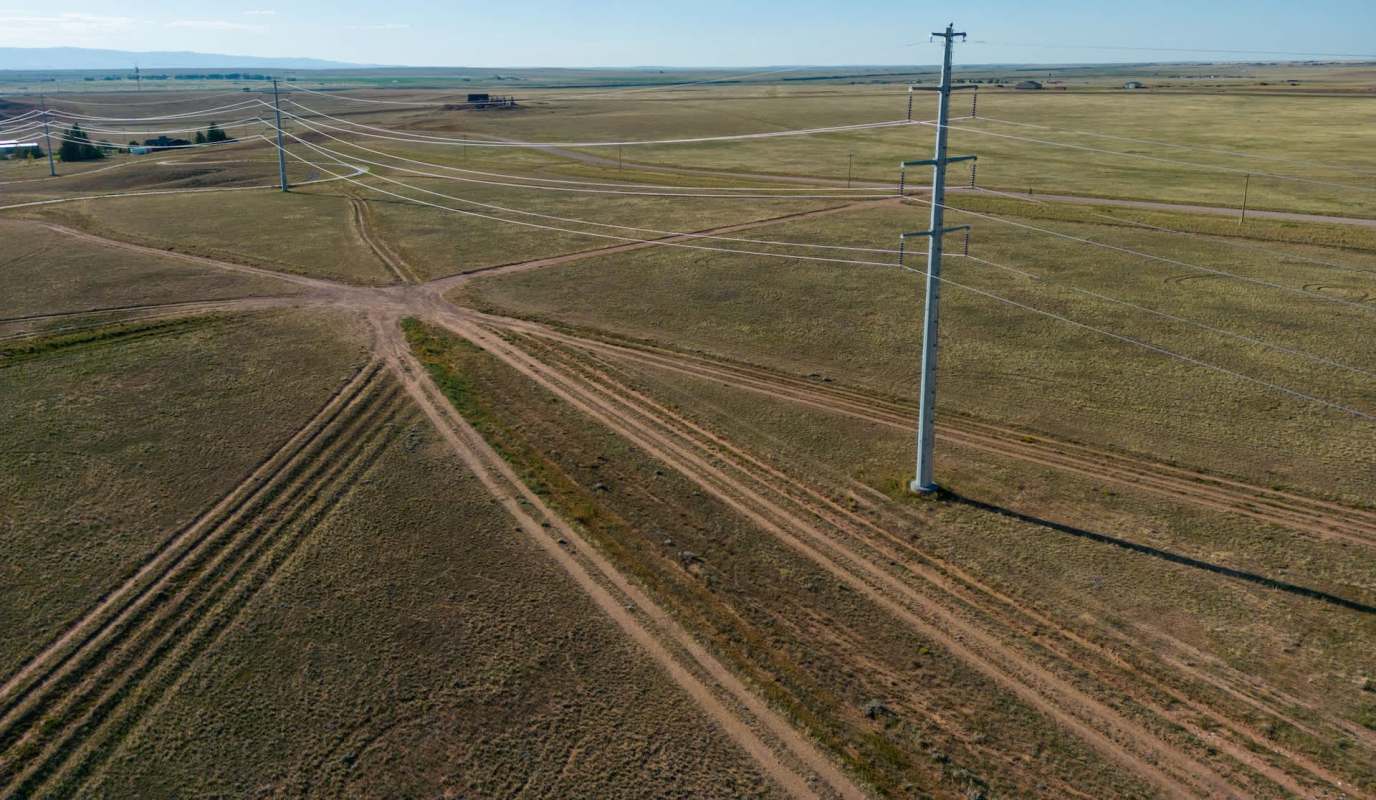
A proposed electricity rate increase is emerging as a major new worry for Wyoming agriculture, just as drought conditions are forcing some producers to start running irrigation pumps earlier than normal.
Farmers have said the combination of issues could make it far more expensive to keep fields watered.
For some irrigators, the increase would come on top of seasonal power bills that already run into the tens or even hundreds of thousands of dollars, according to WyoFile.
What's happening?
In May, Rocky Mountain Power — Wyoming's biggest regulated electric utility — asked state regulators to approve an additional $71 million in rates. If granted, the company said the change would raise bills by about 8.8% on average for its 150,000 customers.
However, the proposed increase is much steeper for irrigators served under the utility's "Schedule 40" classification, reaching 37.7%.
Jason Thornock, a farmer and rancher near Cokeville, told WyoFile, "It's going to kill us. They're going to make it very difficult to be a farmer in Rocky Mountain Power's service area."
TCD Picks » Quince Spotlight
💡These best-sellers from Quince deliver affordable, sustainable luxury for all




That prospect comes as drought is already driving up power use on some farms. Thornock said a normal irrigation-season electric bill is around $150,000, while fellow irrigator Tim Teichert said his is closer to $90,000.
With dry conditions pushing both men to start pumping from streams and aquifers earlier than usual, they expect this year's bills to rise even before any new rate increase takes effect.
Rocky Mountain Power said the filing reflects several factors, including a targeted 7.56% return, billions of dollars in projects across six states, rising operations costs, inflation, and a proposed $10 million wildfire self-insurance reserve for Wyoming.
Why does this matter?
Wyoming growers have been shifting from flood irrigation to pump-and-pivot setups to stretch scarce water supplies, but that move has also made them more dependent on electricity.
A major rate jump would raise costs for farmers who adopted water-saving practices during a drought. Jim Magagna of the Wyoming Stock Growers Association told WyoFile, "I don't see how anybody can afford to do it when they suddenly face increases like this."
The proposal also raises concerns about how utility costs are allocated. Rep. Scott Heiner said it appears Rocky Mountain Power may be trying to "'cost shift' with this rate increase to put more of the burden on those that don't have the voice to be heard."
Some farmers have also said they are being asked to pay more for a service they already consider unreliable. Teichert said, "Rocky Mountain Power sends us dirty power," while Thornock said unstable voltage can damage equipment, adding that he had to replace "probably a $10,000 motor" because of it.
What's being done?
WyoFile reported that the case is now in its initial review phase, and state regulators will accept public comment through June 18.
Some farmers have also tried to pursue their own solution through solar power, although those efforts have fallen short given the payback is low for net metering.
Magagna said, "I just don't think it's defensible in any way." Even if past rates were too low, he said, "You don't try to do it in one fell swoop."

Get TCD's free newsletters for easy tips, smart advice, and a chance to earn $5,000 toward home upgrades. To see more stories like this one, change your Google preferences here.






