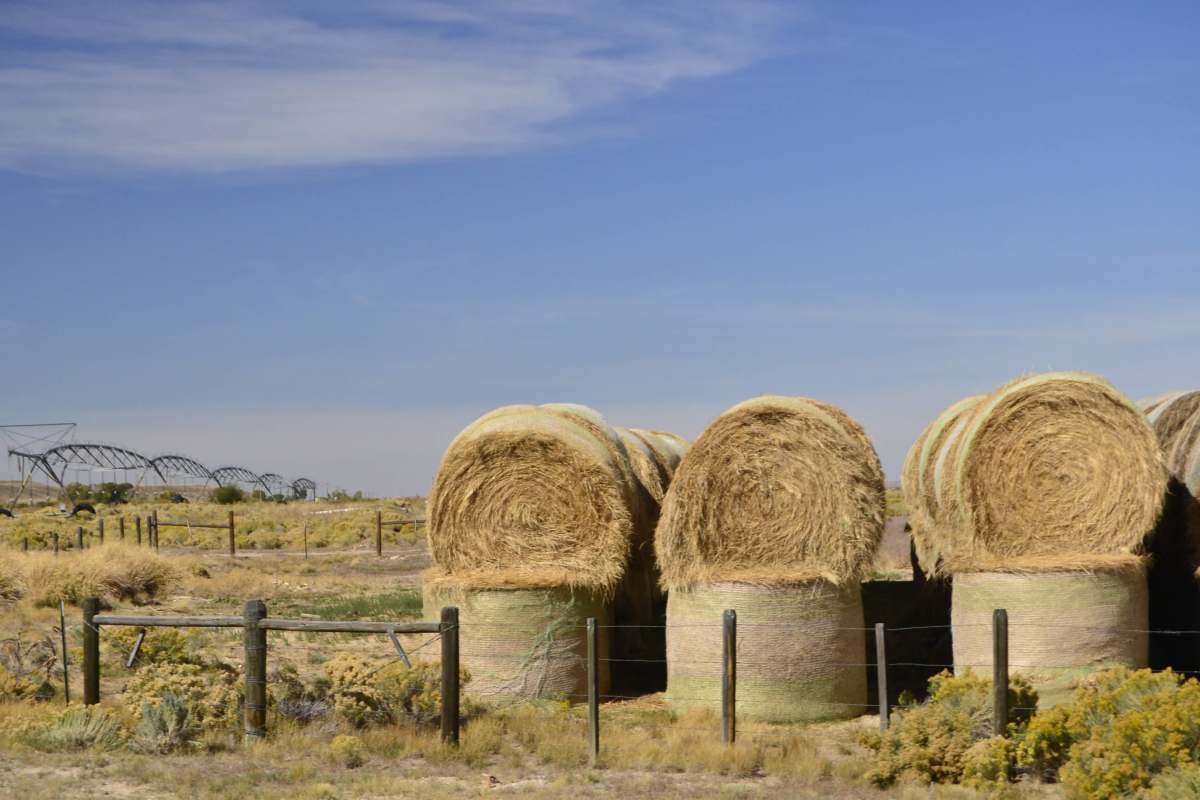
Drought has left parts of Wyoming's Greybull River Valley and its farmers without their usual sugar beets, beans, barley, and corn. Now, some farmers have decided not to plant these crops at all.
For farms that rely on snowmelt and water stored in reservoirs, the central question this season is how much will still be available by late summer.
What's happening?
With nearly all of Wyoming now in drought and parts of Big Horn County rated severe to extreme, some local farmers are cutting back what they plant this year, Wyoming News reported.
According to the U.S. Drought Monitor, as of July 21, 99.65% of the state is experiencing drought conditions, and close to half (46.06%) is facing extreme drought.
Tino Mendez, who operates Mendez Brothers farm alongside his brother Fidel Mendez, told the Laramie Boomerang that 580 of the family's usual 3,000 acres were left unplanted, with planting focused on land that has earlier water rights.
Meanwhile, Mike Neves, a Burlington farmer, made a similar call, telling the outlet that he was leaving 500 of his 1,200 acres idle because summer water supplies are too uncertain.
TCD Picks » Quince Spotlight
💡These best-sellers from Quince deliver affordable, sustainable luxury for all




Reservoir levels have reinforced those concerns. On July 7, the three reservoirs serving the area held 58,465 acre-feet, down from 101,649 acre-feet on the same date last year, per the Laramie Boomerang.
Earlier in the season, the outlook was already bleak. Statewide snow water equivalent measured just 38% of the median on April 1, and the Big Horn Basin was near 46% of the median in May, Wyoming News reported.
Why does it matter?
Lower crop production can strain local food supply chains, put pressure on rural economies, and add to the burdens already facing farm families dealing with high fuel and fertilizer costs alongside weak crop prices.
Extreme weather disasters such as prolonged drought threaten livelihoods and lives. Water shortages can undermine economic stability, drive up food costs, and place additional stress on farming communities, while also creating broader public health and safety risks as heat and dry conditions worsen.
The situation adds to the mountain of evidence that climate-fueled extreme weather is making it harder for the people who grow food to plan from one season to the next.

Get TCD's free newsletters for easy tips, smart advice, and a chance to earn $5,000 toward home upgrades. To see more stories like this one, change your Google preferences here.