


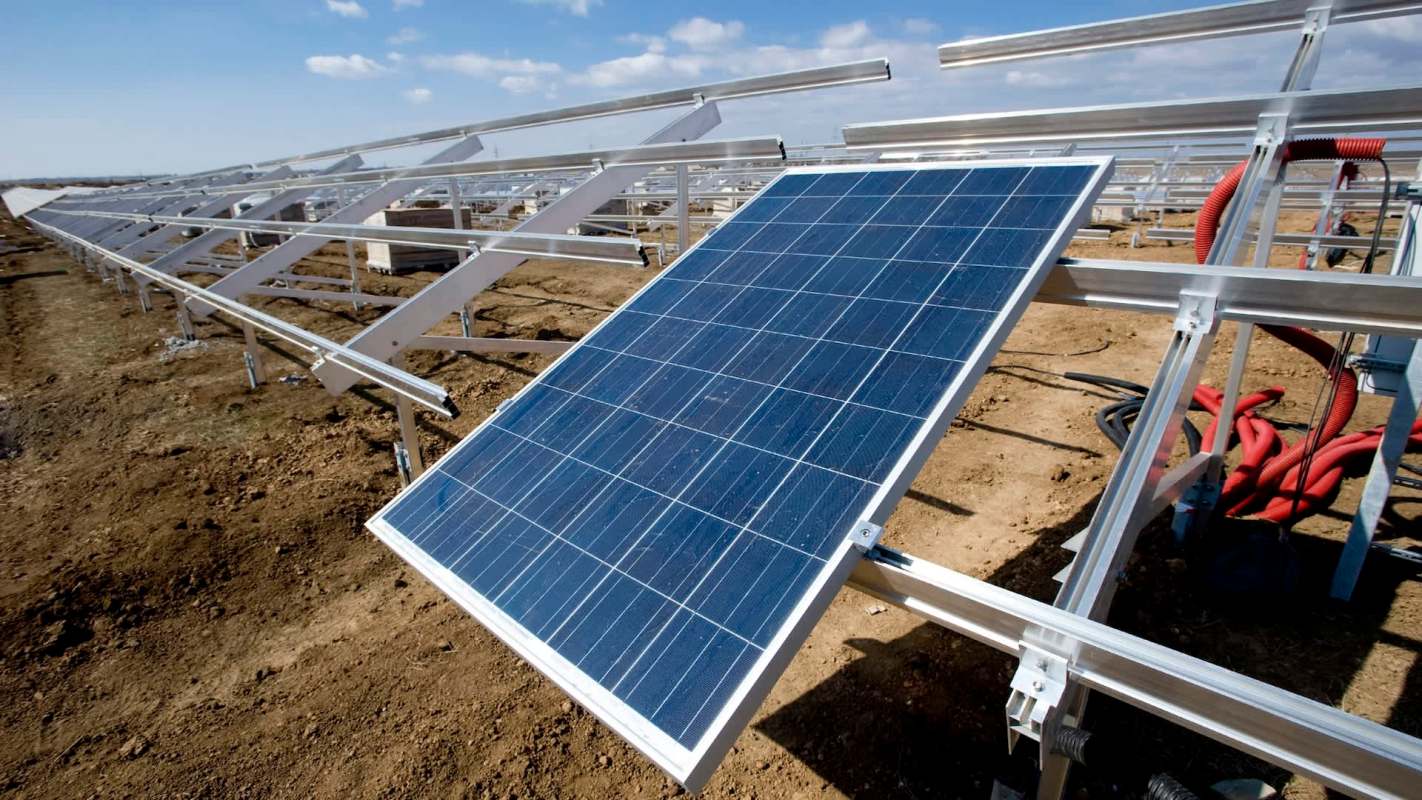
Officials in Worcester County, Maryland, have once again pushed back on a clean energy proposal, voting unanimously against a solar project planned for 54 acres outside Pocomoke City, OC Today-Dispatch reported.
What happened?
Commissioners in Worcester County unanimously opposed the proposed solar farm outside Pocomoke City via a unanimous 7-0 vote.
According to the report, the project developer was seeking local backing, but that request was rejected before the applicant even had an opportunity to make a presentation to the commission.
The motion to withhold support for the project came from Caryn Abbott, a commissioner representing District 1, where the project would be built. At roughly 54 acres, Abbott cited the size of the site as a primary reason for her opposition.
The 7-0 vote took place without prior discussion, even as the need for additional electricity generation continues to grow in Maryland and beyond.
Why does it matter?
When solar projects are delayed or blocked, communities can miss out on benefits that go well beyond electricity generation.
TCD Picks » Quince Spotlight
💡These best-sellers from Quince deliver affordable, sustainable luxury for all




That is not to say there could never be legitimate reasons to stop from approving a solar farm, of course. And it's even better when solar can be achieved with a mixed-use plan like sheep grazing underneath raised and spaced-out panels providing shade.
But all power generation options have to use up some space and result in some environmental impact, so there should always be sufficient review of the pros and cons. A coal plant may appear to take up less space for the power generated, but it would pollute the air and water for a much greater radius than the plant's footprint.
Utility-scale solar can help reduce the pollution associated with dirty energy sources, support grid reliability during times of high demand, and create well-paying construction and maintenance jobs.
When cleaner power becomes harder to build, replacing older fossil fuel infrastructure that contributes to overheating, smog, and health burdens can become more difficult as well.
At the same time, land use remains a legitimate local concern. Residents and officials often worry about how large energy developments could reshape rural landscapes or compete with other priorities. In smaller communities, a 54-acre project can feel especially significant.
Still, widespread resistance to solar projects can slow efforts to expand cleaner energy options as states work to meet rising demand and limit the costs of extreme weather and pollution.
What's being done?
In response, states, utilities, and developers are continuing to look for ways to expand clean power while addressing community concerns.
In many places, that means steering projects toward more compatible sites, engaging the public earlier in the planning process, and finding new ways to fit renewable-energy projects into land-use planning. In this case, Maryland state rules prevent a county from completely barring a project of this size without a wider process.
Members of the public looking to get involved can do so by attending hearings, reviewing project plans, and asking questions about, among other things, community benefits.

Get TCD's free newsletters for easy tips, smart advice, and a chance to earn $5,000 toward home upgrades. To see more stories like this one, change your Google preferences here.






