


A Wisconsin household using 8,000 kilowatt-hours of electricity in 2025 would have paid about $488 more with an investor-owned utility than with a city-owned provider, highlighting how utility ownership can affect household budgets.
Here's what to know
The Marquette University Law School Faculty Blog analysis covered 2.69 million residential customers in 2025. It drew on U.S. Energy Information Administration data from 65 Wisconsin providers that reported every year from 2001 through 2025.
Municipal utilities' residential electricity prices per kilowatt-hour rose 14% since 2020, while cooperatives' prices increased 15%. Investor-owned utilities recorded a 29% increase.
At each group's aggregate rate, 8,000 kWh of annual usage would cost $1,025 with a municipal provider or $1,313 with a cooperative. Investor-owned service would cost $1,513 for the same usage.
Residential solar could help some households lower electricity expenses, and $0-upfront solar leases may offer savings of hundreds of dollars per month, depending on the home and the agreement. EasyHome offers a free explorer tool to estimate potential savings and find vetted local installers.
More background
Investor-owned companies supplied electricity to 86.6% of the residential customers in the analysis. The Marquette University Law School Faculty Blog also reported that two major for-profit providers in Wisconsin secured regulatory approval for two more years of rate increases, continuing an upward trend dating to 2020.
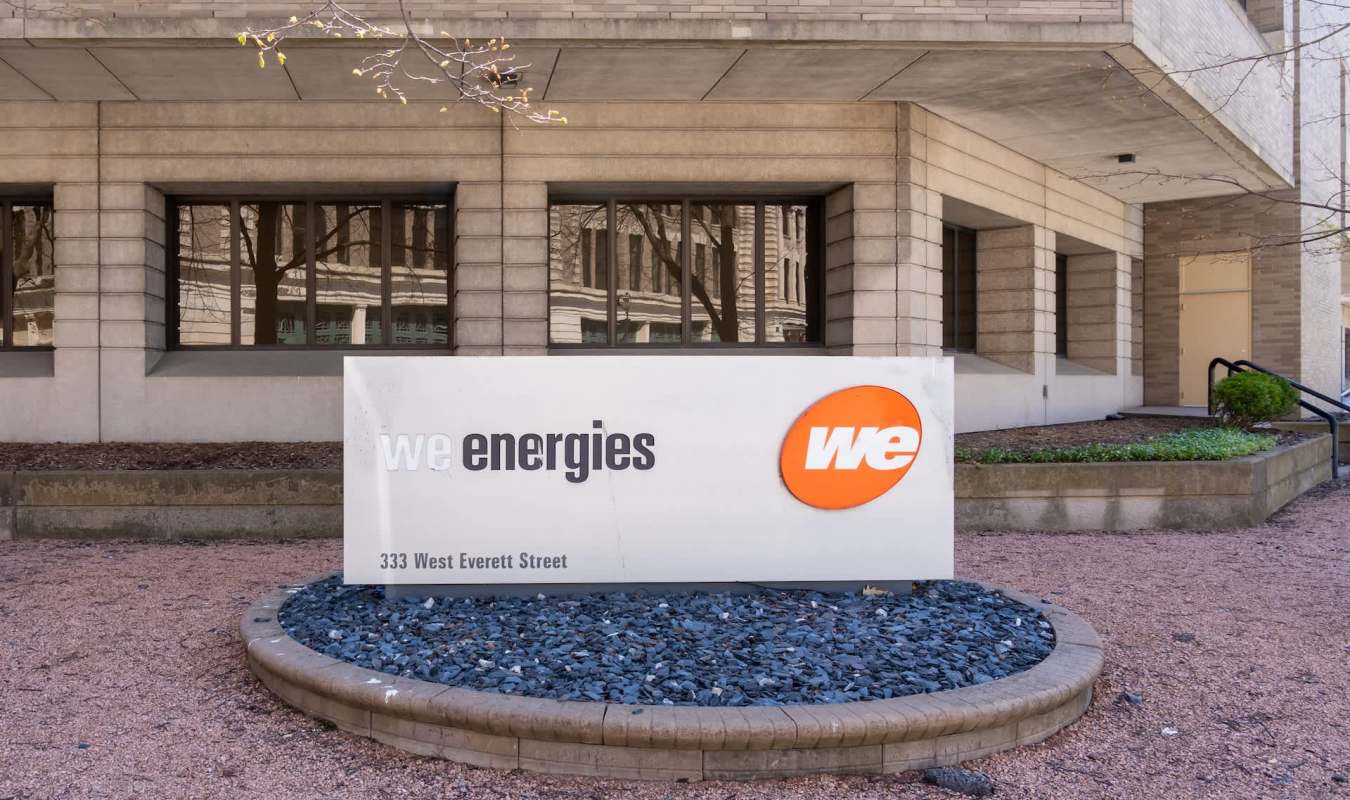
For a household using 8,000 kWh annually, electricity costs rose $391 for We Energies customers and $408 for Alliant Energy customers between 2020 and 2025. Wisconsin Public Service Corp. customers saw a $276 increase over the same period, and Xcel Energy customers had a $177 increase.
Over the same period, the comparable increase was $169 for cooperative members and $128 for municipal customers.
Crushed by your bills? See instant solar savings from vetted installers in just a few clicks With energy prices through the roof, there's never been a better time to go solar — and EasyHome can help you find the best prices from the best installers in your area. EasyHome takes the guesswork and headaches out of energy upgrades by showing you estimated savings from a network of vetted local partners. To get started, just enter your ZIP and share a few details about your home — seeing your estimate is really that easy. |

What can be done?
City-run electricity providers operate in dozens of Wisconsin communities, including Cedarburg, where residential electricity cost $0.1344 per kWh in 2025.
By comparison, We Energies' average residential rate was $0.2053 per kWh.
For households exploring ways to manage exposure to rising utility prices, EasyHome also offers a way to compare battery storage options. Pairing solar with batteries can help manage electricity costs by storing generated power for later use, while providing backup electricity during outages; the potential value depends on the household's system and needs.
Cooperative and investor-owned electricity prices stayed close until they diverged after 2020. Wisconsin's more than two dozen member-owned co-ops offer an established alternative in rural communities that for-profit investors initially viewed as unsuitable markets.
For a household using 8,000 kWh annually, Cedarburg's rate would mean paying about $567 less over a year than the average We Energies rate assumed for neighboring Grafton in the analysis.

Get TCD's free newsletters for easy tips, smart advice, and a chance to earn $5,000 toward home upgrades. To see more stories like this one, change your Google preferences here.






