


South Korean authorities say a wildlife smuggling ring concealed endangered animals in underwear and cookie tins while bringing them into the country from Thailand, Vietnam, and Indonesia, Herald Business reported. Dozens of the animals died during transport.
Here's what to know
Five people were arrested in connection with the alleged import of roughly 200 endangered animals into South Korea from Thailand, Vietnam, and Indonesia, Herald Business reported. Some were hidden in underwear or other concealed spaces, while others were carried in cookie tins.
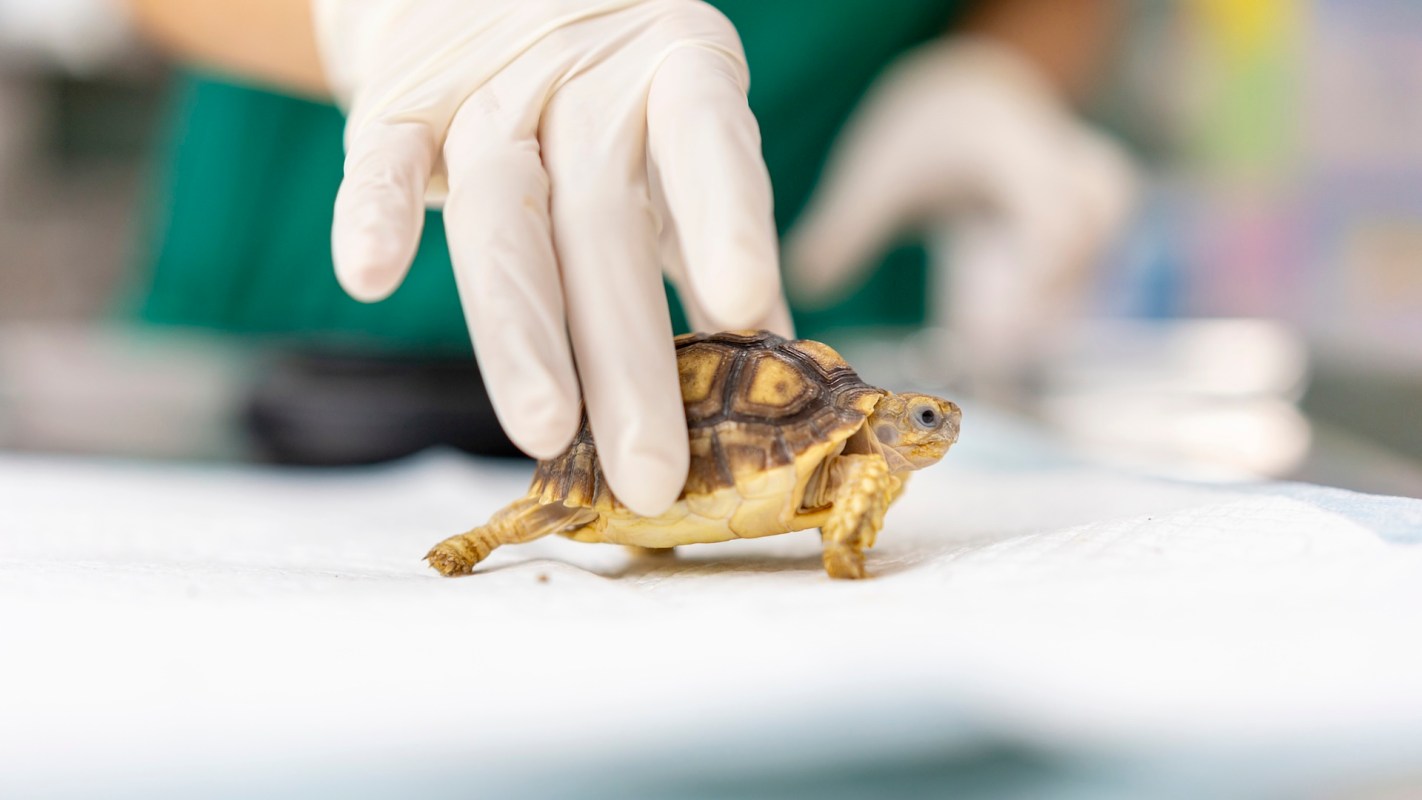
The turtles endured cramped and painful conditions. They were transported with mouths bound or bodies forced into tight spaces, and 48 tragically died along the way. The trafficked animals also included a Yangtze alligator, which Herald Business described as being in the highest endangerment category.
The same group was also linked to a separate May case in which a python about 10 meters (33 feet) long was found in the cargo area of an intercity bus at Daegu's Seo-Daegu Express Bus Terminal.
In online reptile communities, the ring sold 54 animals while using code words such as "figurine" and "doll" to mask the deals, Herald Business reported.
More background
Wildlife trafficking is not only a conservation and animal rights issue — it also shows failures in border enforcement, online marketplaces, and public transportation networks.
TCD Picks » Quince Spotlight
💡These best-sellers from Quince deliver affordable, sustainable luxury for all




When endangered animals are taken from legal protections and enter the black market, recovery efforts become even more of a challenge. Species already facing population declines can lose valuable breeding individuals, while conservation groups and public institutions must take on the costs of rescue, care, and enforcement.
Among the seized animals was an albino reticulated python, which can sell for millions of won in illegal markets, according to Herald Business.
That demand can drive more capture and trafficking.
What's being done?
Ninety-five animals were seized, and the surviving animals have been placed with the National Institute of Ecology, Herald Business reported.
A case involving smuggling routes across multiple countries, coded online sales, and concealed transport methods suggests a coordinated operation rather than an isolated act.
Enforcement alone is rarely enough to stop the illegal wildlife trade. Online platforms, hobby communities, and buyers all play a role in whether rare animals are treated as collectible products rather than protected species.
Where can I learn more?
These stories show how wildlife trafficking networks move protected animals across borders and through transit hubs. They include turtles shipped overseas, reptiles hidden in luggage, and smugglers using airports and other routes to evade detection.
• In the United States, authorities say vulnerable turtles were shipped overseas to meet black-market demand in China.
• In Florida, a federal investigation traced nearly 2,000 turtles allegedly sent overseas in a $550,000 scheme.
• At an airport in India, customs officers found reptiles concealed in luggage during a passenger inspection.
• In Thailand, police arrested six suspects after 87 endangered animals were packed into airport luggage.
• In Israel, authorities uncovered a drone smuggling route used to move monkeys and lion cubs.

Get TCD's free newsletters for easy tips, smart advice, and a chance to earn $5,000 toward home upgrades. To see more stories like this one, change your Google preferences here.






