


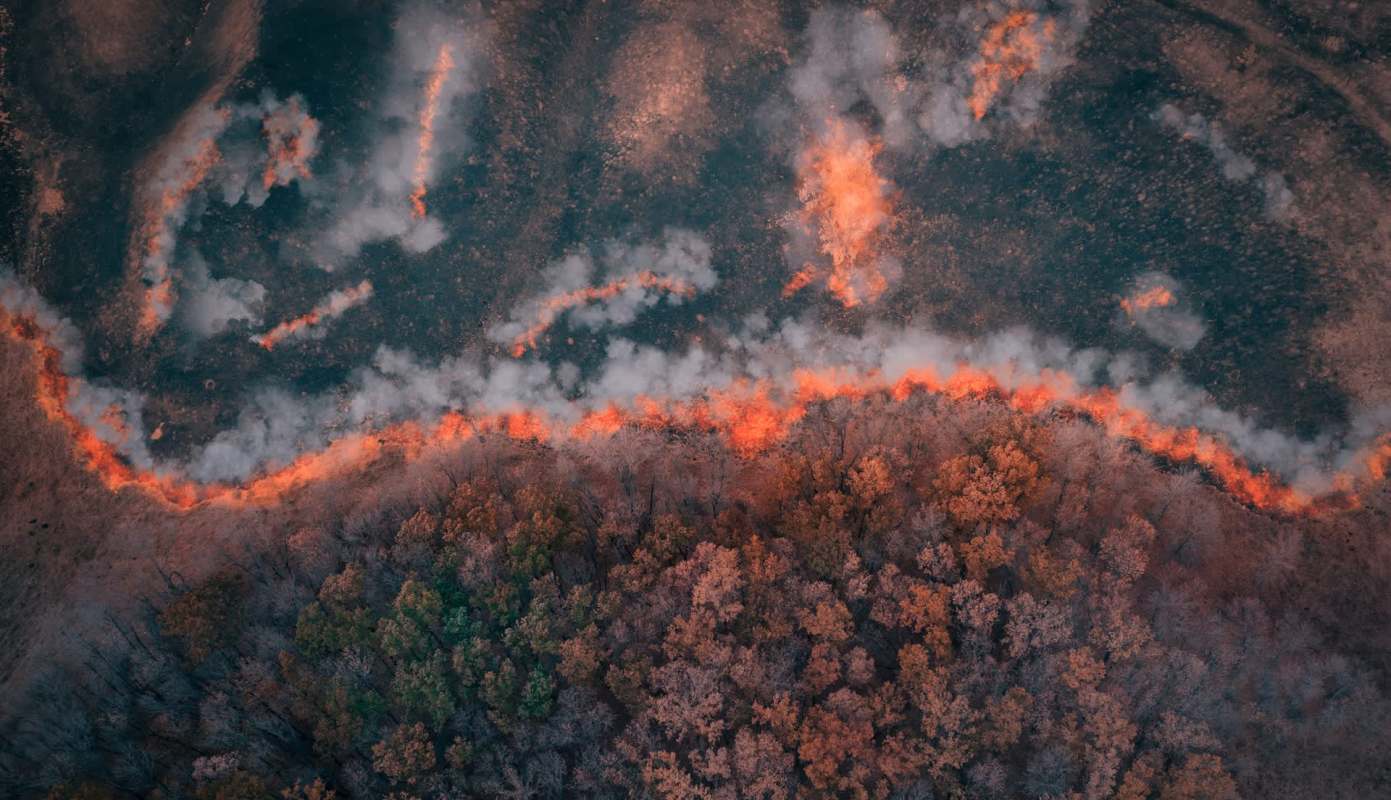
Wildfires in Wales are leaving damage that goes beyond burned ground. Specialists warn that where fires cut into peat soils built up over centuries, the consequences may persist for generations.
That puts wildlife, shared local spaces, and the landscape's role in limiting flood danger for nearby communities at risk.
What's happening?
According to the BBC, Natural Resources Wales official Nick Thomas said major fires can leave habitats needing "hundreds of years" to recover.
He highlighted upland peat in particular: it accumulates at about 0.04 inches (1 millimeter) a year, yet severe wildfire can wipe it out in a short time.
He said the severity of the loss is tied to how far the flames penetrate below the surface.
"If a fire burns into the soil and incinerates the soil... then you've lost hundreds of years worth of soil," he said. "So it's going to take hundreds of years really for that vegetation to come back in a similar way to what it was."
TCD Picks » Quince Spotlight
💡These best-sellers from Quince deliver affordable, sustainable luxury for all




Among the worst-affected sites were environmentally sensitive landscapes. A fire in Gwynedd's Rhinogydd mountain range burned for nearly two weeks and covered more than 2,000 acres, while another blaze in Blaenavon, Torfaen, was reportedly strong enough to be smelled in Cardiff.
Thomas told the BBC that 2026 could become the worst wildfire year Wales has recorded and described the outlook as "very frightening."
Why does it matter?
The effects are not limited to charred uplands. Thomas said that once peat and soil are burned, they stop functioning as a natural "sponge" in higher ground, which can raise flood risk downstream.
RSPB Cymru said wildfires "can have significant impact on breeding birds and fragile habitats that can take years to fully recover."
At Pensychnant Conservation Centre, according to warden Julian Thompson, flames stripped soil "right down to the rock" over roughly one-third of the reserve's 150 acres.
He said that numerous insects and animals were unable to escape.
"Things like the snakes, adders, reptiles, they can not escape, so they will be destroyed," he said.
Thompson also said that rare moths found in Snowdonia and the mountains of Meirionyddshire "will have been destroyed" on the reserve, shrinking an already limited habitat.
What's being done?
Thomas said reducing wildfire danger will require both prevention efforts and changes in land management. He cited grazing, as well as managing moorland and heath to "reduce the fuel loads," as possible ways to cut risk.
He also said people are at the center of the problem, stating that the fires are "all started by people basically."
Evie Roberts, a silversmith who runs jewelry-making classes at Pensychnant, said people need to better understand the danger of casually throwing away bottles or cigarettes.
The center is supported by volunteers and serves as both a refuge for wildlife and a community meeting place.
"We've talked about it for years and years, but now climate change is here and we have to start to respect the countryside and we have to be in a position to actually stop these fires happening again," said volunteer Gwyndaf Pritchard. "Nature is quite resilient, but it can't cope with catastrophes on this scale over and over again. It won't keep on coming back."

Get TCD's free newsletters for easy tips, smart advice, and a chance to earn $5,000 toward home upgrades. To see more stories like this one, change your Google preferences here.






