


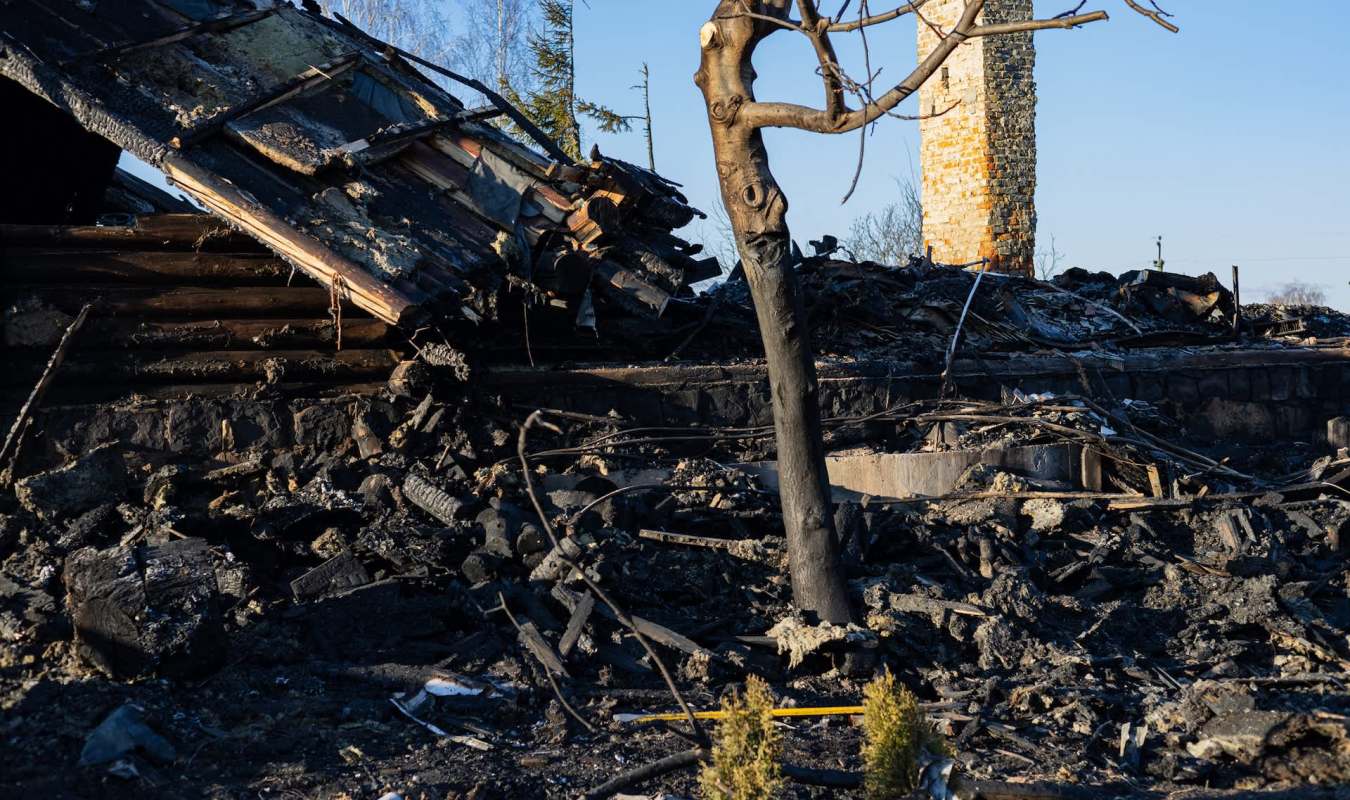
A new wildfire study is blowing up online for one startling reason: Even during what researchers described as a relatively "quiet" global fire year, wildfires caused more insured losses than hurricanes, floods, and earthquakes combined.
What happened?
According to The Independent, the study, published in Nature Reviews Earth and Environment, found that wildfires accounted for 38% of all insured natural-hazard losses worldwide in 2025, even though the total area burned ranked as the second-lowest since record keeping began in 2002.
Matthew Jones at the Tyndall Centre for Climate Change Research at the University of East Anglia, who led the study, summed up one of the most widely shared takeaways, saying, "2025 shows that a 'quiet' fire year globally can still be devastating."
Fewer acres burned did not mean less risk. Fires tore through populated areas — including Los Angeles, South Korea, and several European countries — with greater speed and intensity.
January's Palisades and Eaton fires near Los Angeles were the costliest disaster, killing 31 people, destroying nearly 12,000 homes, forcing around 150,000 evacuations, and causing an estimated $140 billion in losses. South Korea then suffered its deadliest and biggest wildfire outbreak on record, while Europe experienced deadly fires across Spain, Portugal, Greece, Turkey, Cyprus, and France.
Why does it matter?
Fast-moving fires can destroy homes, displace families, overwhelm emergency services, pollute the air with dangerous fine particulate matter, and leave communities to face enormous rebuilding costs. The consequences reach across public health, community safety, and economic stability.
TCD Picks » Quince Spotlight
💡These best-sellers from Quince deliver affordable, sustainable luxury for all




Smoke exposure affected more than 10 million people, with pollution levels reportedly reaching nearly 20 times the World Health Organization's daily guideline for fine particulate matter. Those tiny particles can lodge deep in the lungs and worsen heart and respiratory problems.
The findings also point to a troubling pattern. Researchers said climate-driven heat, drought, and wind are fueling more destructive fires in forests and developed areas, even as savannah burning in Africa declines, pulling down the global burned area total.
What are the researchers saying?
Jones said the study shows "a growing disconnect between total area burned and real-world impacts," with danger now increasingly shaped by "fire location, intensity, and exposure."
Co-author Crystal Kolden warned that outbreaks of fires are especially dangerous because they make it harder for countries' crews and equipment. "Future fire projections show these types of outbreaks will only increase," she told The Independent.
Researchers said the clearest path forward is cutting planet-warming pollution while also investing in fire-resilient infrastructure, vegetation management, and evacuation planning.

Get TCD's free newsletters for easy tips, smart advice, and a chance to earn $5,000 toward home upgrades. To see more stories like this one, change your Google preferences here.






