


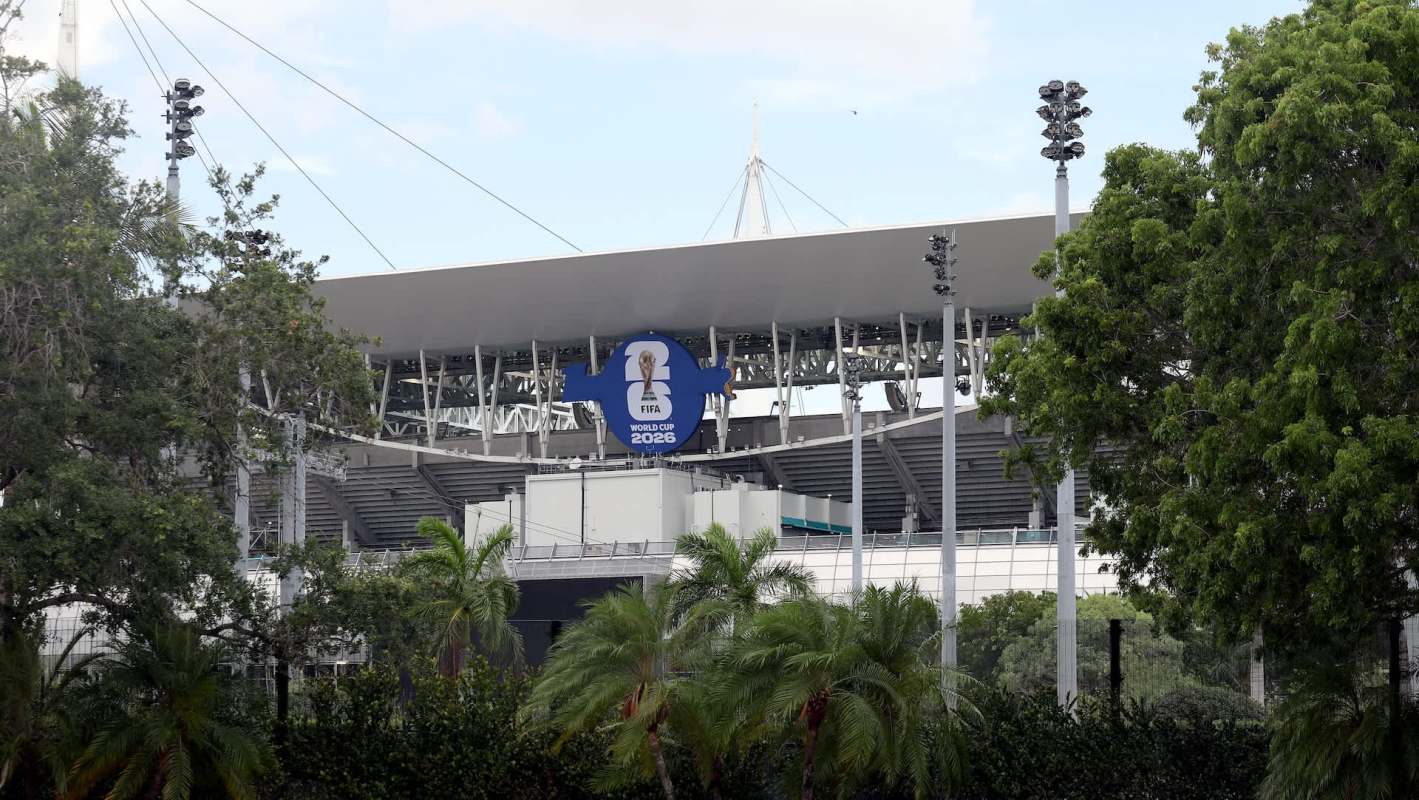
The 2026 World Cup is supposed to be a global celebration of soccer, but a growing climate threat is hanging over several host cities. With wildfire smoke becoming a regular feature of North American summers, critics say FIFA still does not appear to have a real backup plan for poor air quality caused by a potential blaze.
What happened?
Wildfire smoke is becoming a major concern for World Cup venues across the U.S., Canada, and Mexico. As Grist reported, Los Angeles recently spent several days under an air-quality advisory after nearly 12 wildfires broke out in Southern California, and SoFi Stadium was inside the impacted area.
The advisory is especially significant because Los Angeles is set to host eight World Cup matches from June 12 through July 10, drawing large numbers of fans and players. The problem is not limited to one city: Seattle and Vancouver have both faced wildfire smoke before, and in recent years, smoke from Canadian fires has spread thousands of miles.
Even with that threat, Grist found no publicly identified FIFA Air Quality Index thresholds that would automatically trigger a postponement, relocation, or cancellation.
Nicholas Watanabe, a professor of sport and entertainment management at the University of South Carolina, criticized the situation bluntly, saying: "FIFA has basically almost done nothing. They are lagging behind even minor leagues in North America."
Why does it matter?
Grist reported that wildfire smoke can cause coughs, headaches, and throat irritation, with added dangers for sensitive groups such as children, older adults, and people with asthma or other respiratory conditions.
TCD Picks » Quince Spotlight
💡These best-sellers from Quince deliver affordable, sustainable luxury for all




The concern affects not only elite athletes but also stadium workers, nearby residents, and thousands of fans paying to attend. As wildfire seasons grow more intense, smoke exposure during major outdoor events becomes increasingly likely.
Several major sports leagues already use Air Quality Index (AQI) thresholds to guide decisions about play. AQI measures how polluted the air is and the potential health risks it poses. Higher numbers indicate more dangerous conditions, particularly for people exercising outdoors.
Several major sports leagues already use AQI thresholds to guide decisions about play. As Grist reported, the National Women's Soccer League introduces hydration breaks when AQI reaches 101, considers rescheduling at 180, and requires postponement above 200. The NFL may relocate games if AQI remains above 200, while NCAA guidelines call for events to be moved indoors or canceled entirely when AQI exceeds 300.
By comparison, in a statement to Grist, FIFA shared extensive protocols for extreme heat but did not lay out air-quality standards. Fans will also still not be allowed to bring refillable water bottles into stadiums, as Grist reported, even while FIFA stresses hydration for players.
What are people saying?
People interviewed in the report said the lack of a more concrete plan is troubling.
"It's sort of ridiculous that the biggest sporting event in the world doesn't have anything. We're one bad Pacific Northwest wildfire away from some very big concerns," Watanabe said.
John Quindry, a physiology professor at the University of Montana, said organizers should approach smoke the same way they handle other dangerous weather events: "You should have a decision tree and algorithm that's baked into the process."
Dominik Kulakowski, a geographer who studies wildfires at Clark University, said warning time can be short and that, "It would make sense for FIFA to think ahead and implement some air quality standards that would trigger some decisions about whether or not to play."

Get TCD's free newsletters for easy tips, smart advice, and a chance to earn $5,000 toward home upgrades. To see more stories like this one, change your Google preferences here.






