


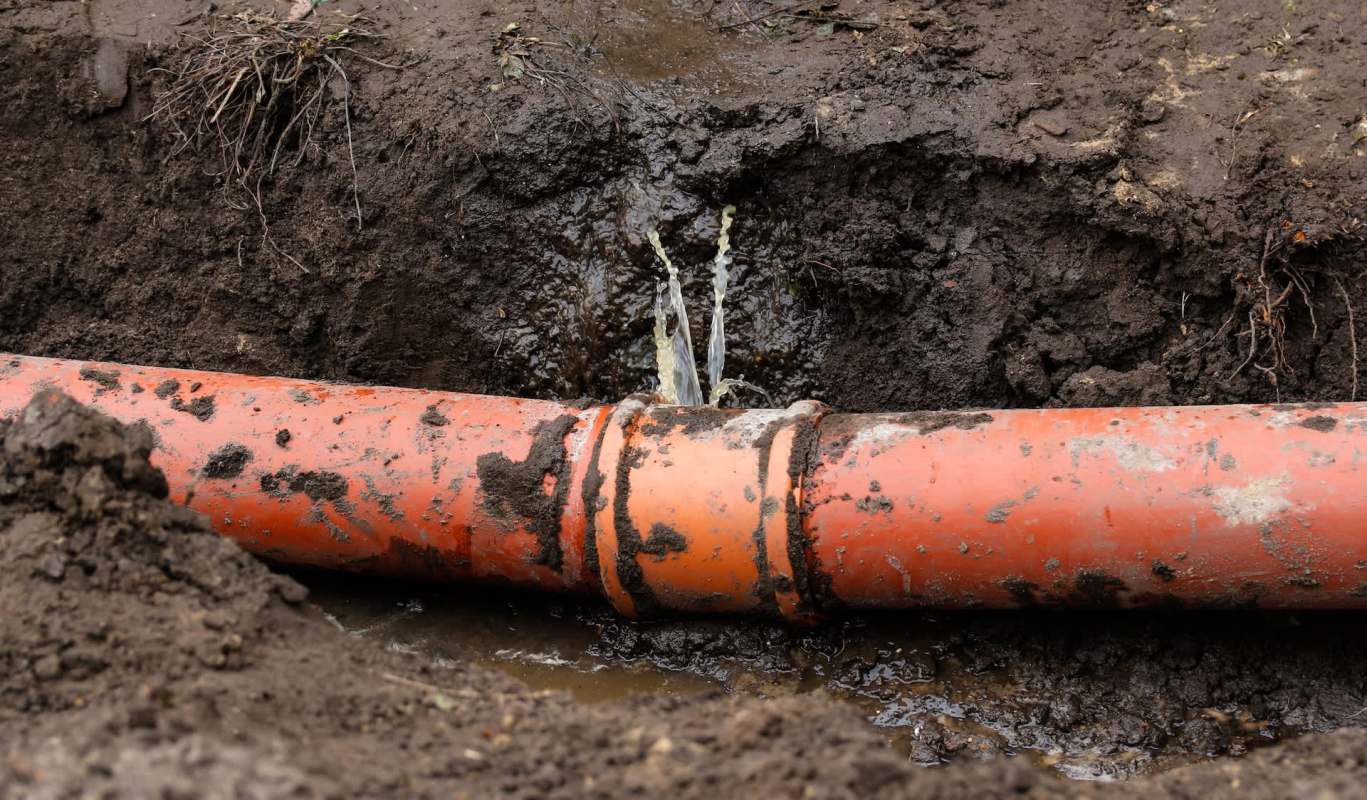
Wellington mayor says ratepaying households and businesses may be paying 80,000 New Zealand dollars ($45,000) over 25 years to repair aging city pipes.
Here's what to know
According to RNZ, deputy mayor Ben McNulty arrived at that figure by taking a repair cost of more than $6 billion for Wellington's pipes and spreading it across 81,000 ratepaying household and business units.
He said that estimate does not account for the region's other major water-related needs, and it has quickly become a central concern as Wellington argues over how to deal with its deteriorating water network.
"It's just not affordable. It is beyond the capacity of ordinary people to pay," McNulty said.
As public discussion around the estimate grew, council-owned water organization Tiaki Wai declined a request for an interview. Instead of directly responding to McNulty's per-household calculation, a spokesperson pointed back to a media release announcing a 13.3% increase in water bills.
More background
The projected cost of pipe repairs is only one piece of a much larger infrastructure problem. Wellington and the wider region also need to deal with stormwater systems during floods and maintain a safe drinking water supply.
TCD Picks » Quince Spotlight
💡These best-sellers from Quince deliver affordable, sustainable luxury for all




McNulty said, "All we're talking about is what it costs to fix the infrastructure in a poor or very poor condition, not even counting what it costs to maintain the water network, to fix leaks, to ensure that there's sufficient water storage or other needs."
Tiaki Wai charges have become a major issue across the region, with household water bills expected to top 6,000 New Zealand dollars (over $3,000) a year, causing protests in central Wellington.
What's being done?
McNulty told RNZ that Tiaki Wai plans to replace 22 to 30 miles (35 to 49 kilometers) of pipes, which he described as a good start for a system under severe strain.
He also said it would be roughly three to four times the work completed by the previous organization, Wellington Water.
Still, McNulty argued that replacing pipes more quickly will not, on its own, solve the affordability issue. He said Wellington needs a fairer funding system if the work is to move forward without placing an overwhelming burden on ratepayers.
He called on the Government to help fund major Wellington water network projects to secure drinking water supplies and protect the city from what he described as "major failures."
"When it's that unaffordable, the government has to at some point to come to the party because Wellingtonians can't afford to fund [the costs] single-handedly."
Where can I learn more?
Wellington's fight over pipe repairs echoes a wider reckoning over aging water systems, rising treatment costs, and strained water supplies around the world. These articles cover bill shocks, sewer and treatment upgrades, water recycling, and fights over freshwater access.
• In Delaware, officials warned sky-high water bills could follow PFAS treatment upgrades.
• In Vermont, residents fear a multi-million-dollar sewer project could threaten city water quality.
• In Pico Rivera, California, leaders completed a new $15M state-of-the-art water treatment facility.
• Across drought-hit cities, utilities are turning to extreme water recycling to stretch supplies.

Get TCD's free newsletters for easy tips, smart advice, and a chance to earn $5,000 toward home upgrades. To see more stories like this one, change your Google preferences here.






