


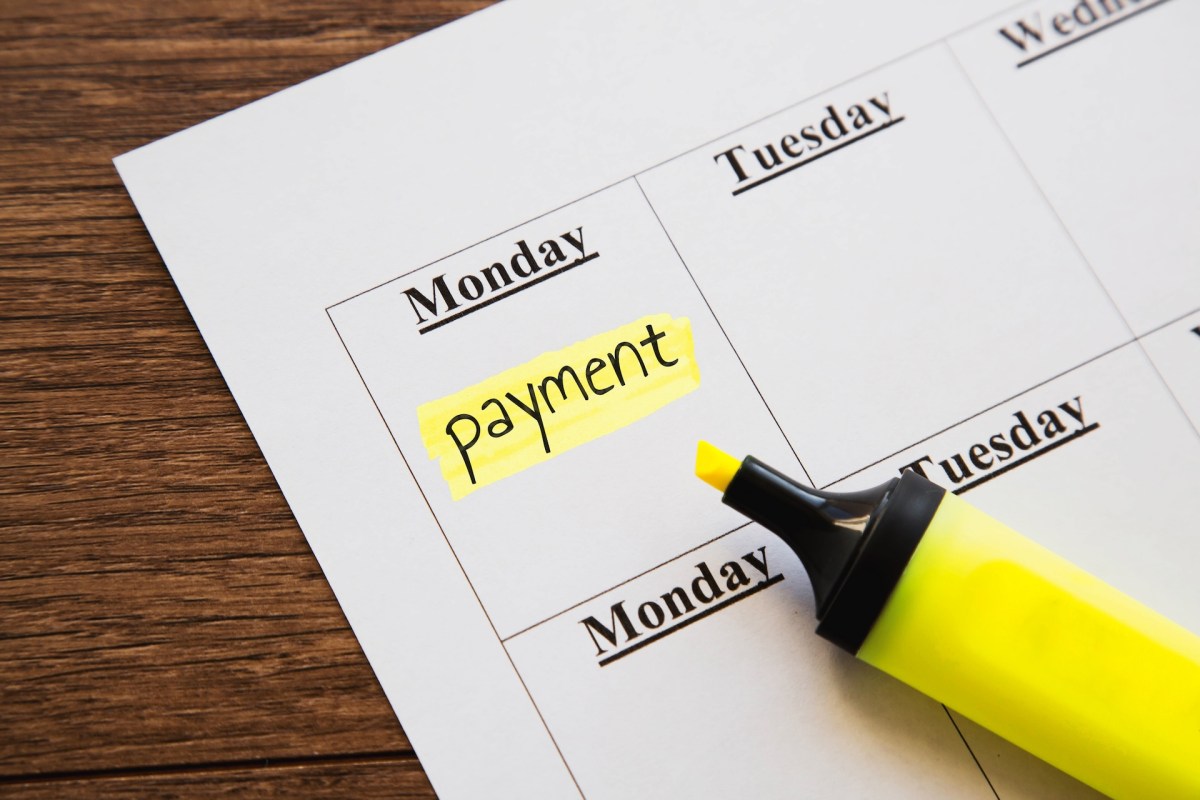
Switching to a weekly spending allowance helped one Redditor regain control of a budget that small purchases had thrown off course.
Monday became a fresh start, replacing a monthly approach that left them feeling their budget was beyond repair by week three.
Here's what to know
In a Reddit thread, they revealed to the r/budget subreddit that groceries, meals out, and miscellaneous errands fell under the weekly cap for flexible expenses.
Recovering from an overspend now called for a few days of adjusted purchases. Previously, they would abandon the budget for the remainder of the month.
"Honestly the reset is the whole trick for me," the original poster wrote. "Monday comes around and it's a fresh number again so i dont just give up and spend whatever. Been way easier to stay roughly on track even if some weeks are still messy lol."
For one other Redditor who reported similar experiences, the difficulty was envisioning a full month's food spending.
TCD Picks » Quince Spotlight
💡These best-sellers from Quince deliver affordable, sustainable luxury for all




"Weekly works best for me too," they shared. "Conceptually imagining a month's worth of food just doesn't compute for my brain."
More background
Savings, not just managing overspending, figured into one commenter's experience with a weekly allowance.
"I've also found that for me I'm more willing to squirrel away some extra money when I know my money resets in a few days," they revealed. "Oh I have $20 left this week to eat out…but it resets in 3 days…I'll just eat at home and put that $20 into savings."
Extra purchases were the usual destination for the original poster's remaining money. They replied that the savings benefit hadn't occurred to them.
Another commenter focused on the gap between actual spending and the daily allowance with a paycheck-based system.
Their example ends with $30 available after the next day's $20 allowance is added. That follows a day when $30 in spending against a $20 allowance left them $10 over budget. Payday resets the allowance, but between paychecks the running balance flags when a costly weekend calls for a quieter week.
What can be done?
For one Redditor, a buffer account handled extra expenses, while flexible purchases came from a separate debit-card account funded by weekly transfers. Fixed bills stayed in another account and were paid automatically.
A spreadsheet user noted that monthly figures could be adjusted to weekly ones. Another commenter built an iPhone shortcut to display the remaining weekly allowance in a notification after subtracting purchases.
Keeping those balances accurate, though, required consistent purchase recording.
By evening, the original poster often couldn't remember small transactions, so their available balance looked higher than it really was. One commenter logged purchases immediately instead of waiting until evening.
The commenter using a paycheck allowance and a daily calculation wrote:
"None of it is crazy or novel math but the visual/live reminder has helped."
Where can I learn more?
Weekly allowances can help keep everyday purchases from throwing a budget off track. Other budgeters are exploring planning for annual bills, aiming to cut food costs, and passing up unnecessary purchases.
• Facing $3,000-$5,000 in annual bills, a budgeter received advice to use sinking funds.
• A single man tried cash and meal rotation after his food bill reached $1,000.
• A budget creator urged skipping pumpkin lattes and decor to curb seasonal spending.
• A creator pursuing early retirement uses frugal swaps at home to keep groceries at $300.

Get TCD's free newsletters for easy tips, smart advice, and a chance to earn $5,000 toward home upgrades. To see more stories like this one, change your Google preferences here.






