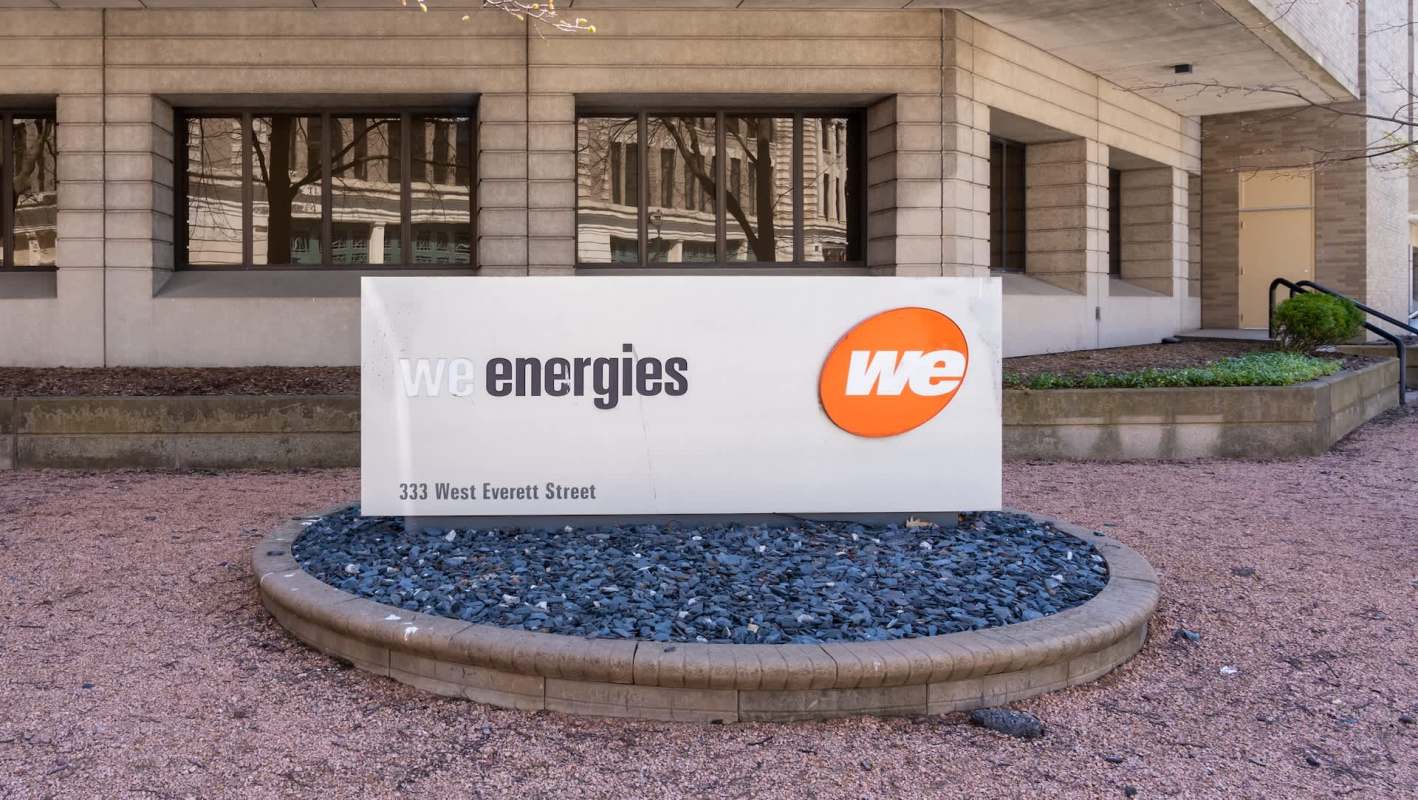
A proposed We Energies plan is drawing objections from Wisconsin environmental and consumer advocates because it would raise residential electric bills 14% by 2028.
Critics said the issue goes beyond ordinary budget frustration. For families whose finances are already stretched, a higher electric bill can mean cutting back on other essentials.
Here's what to know
The organizations pressing the case include Wisconsin Conservation Voters, Healthy Climate Wisconsin, Faith in Place, and Walnut Way Conservation Corp., which are asking state regulators to turn down the proposal, according to the Milwaukee Journal Sentinel.
Advocates believe low-income residents in southeast Wisconsin would be hit particularly hard as inflation continues to squeeze household budgets. Even if the increase is phased in over several years, families with little financial cushion could still feel the added monthly cost most sharply.
"This is a cost that residents can't avoid," Ian Schmitt-Ernst, an organizer with Wisconsin Conservation Voters, told the Journal Sentinel. "Fourteen percent by 2028 means choosing between health care and your electricity, groceries and your electricity."
Electricity powers refrigeration, air conditioning, lights, medical equipment, and internet access. When rates rise, families cannot simply cut the service the way they might scale back on other expenses.
TCD Picks » Quince Spotlight
💡These best-sellers from Quince deliver affordable, sustainable luxury for all




For households already living paycheck to paycheck, even a moderate increase can deepen financial stress and make every other bill harder to manage.
More background
A decision by regulators can ripple through communities, especially in neighborhoods where residents spend a disproportionate share of their incomes on housing, transportation, and utilities.
Environmental and consumer groups are raising concerns about affordability. If power becomes more expensive, the burden does not fall evenly. It lands hardest on the people with the fewest financial buffers.
Higher energy costs can strain nonprofits, faith communities, and small businesses that work to support neighborhoods under pressure. When more money goes toward utility bills, less is available for food, medicine, childcare, and other basic needs.
What's being done?
The main response is coming through the regulatory process, with advocacy groups asking state regulators to reject the increase before customers receive higher bills.
Rate cases are often influenced not only by utility filings but also testimony and scrutiny from residents, consumer advocates, and community organizations that can show how proposed increases would affect daily life.
Bill assistance and weatherization programs can reduce costs, and cutting wasted energy at home can lower monthly bills, even if it cannot offset a utility-wide hike.
When electricity becomes less affordable, it shows up in overdue bills and tough household choices.

Get TCD's free newsletters for easy tips, smart advice, and a chance to earn $5,000 toward home upgrades. To see more stories like this one, change your Google preferences here.