


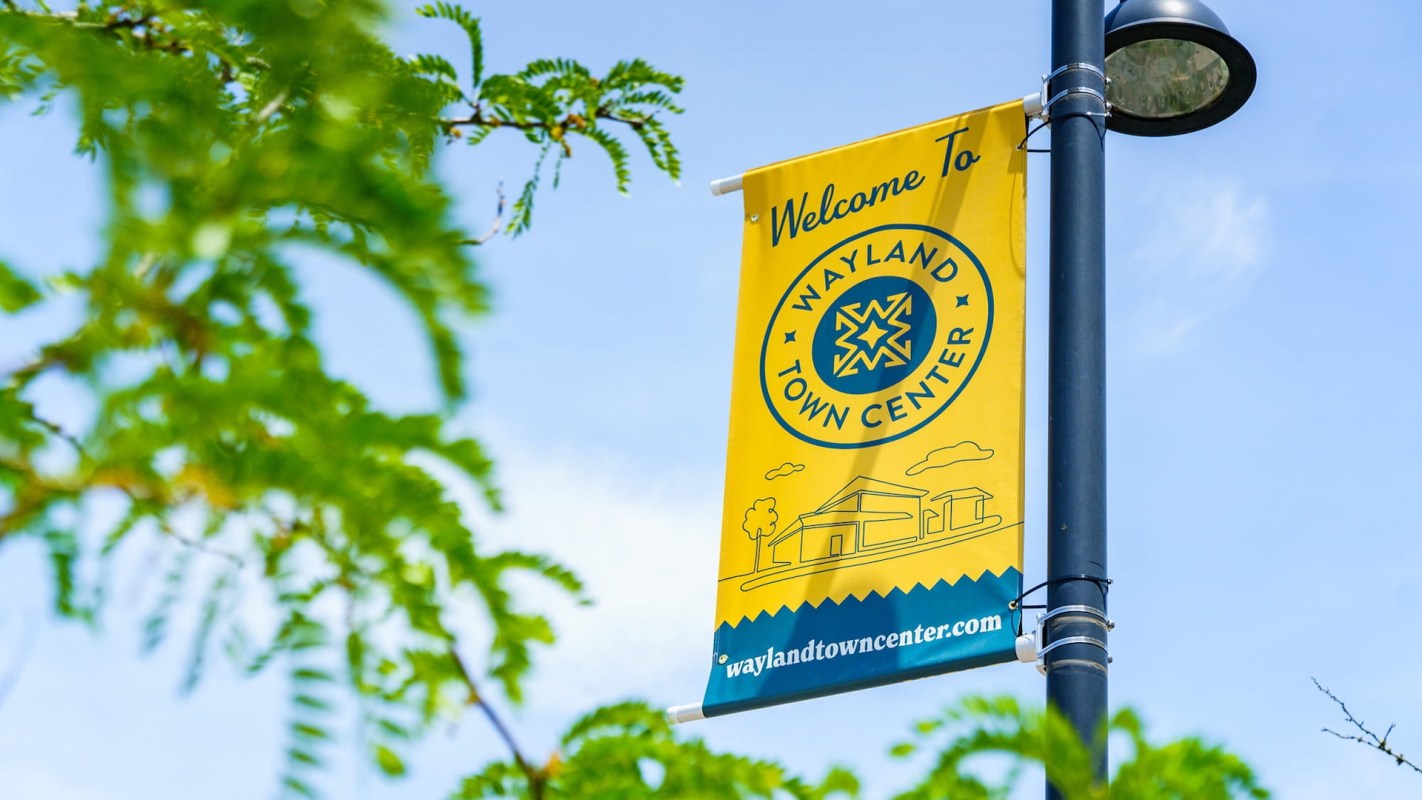
Wayland, Massachusetts, is considering a five-year capital program that would put $56.7 million toward repairs and upgrades for buildings, roads, utilities, and cybersecurity. Town officials say larger expenses related to school construction and the Town Building could still be ahead.
Included in the proposal is a $2 million elementary school feasibility study that would require voter approval for taxes above the normal levy limit.
Here's what to know
According to The Wayland Post, the Capital Improvement Planning Committee's Oct. 14 report recommended 143 projects for fiscal years 2028 through 2032. The opening year alone would include 37 projects with a total cost of $12.2 million, covering needs from school repairs to road and sidewalk work.
The 2028 package is split into three parts: $7.6 million in the omnibus capital budget, $2.6 million in enterprise-fund spending supported by user charges, and a separate $2 million school study. Fiscal year 2028 starts July 1.
The report stated that the committee's list was only a recommendation and didn't itself approve any spending. It also said members didn't have enough information about the town's budget and debt to judge whether the proposal matched Wayland's financial guidelines. Department requests came to $71.9 million.
For the elementary school study, the committee supported the use of a debt exclusion, according to The Wayland Post. That approach would need voter approval to raise taxes above the usual levy limit for repayment, and the report said no clear alternative funding method had been identified.
TCD Picks » Quince Spotlight
💡These best-sellers from Quince deliver affordable, sustainable luxury for all




More background
Many of the near-term costs stemmed from maintaining old facilities and infrastructure. For 2028, the recommended list included $970,000 for middle school fire sensors, $500,000 for rooftop air conditioning units and exhaust fans, $431,392 for roadways and sidewalks, and $300,000 for ceiling repairs.
The plan also emphasized cybersecurity, with $850,000 proposed for modernization and remediation. Information Technology Director Nick Lombardi told the capital committee on June 3 that grant-funded reviews by outside vendors found systems that needed upgrades but that limited funding constrained how much work his department could take on, The Wayland Post reported.
The five-year plan also comes with bigger school costs. The lower-cost elementary and middle school options under review were estimated at $517 million to $566 million before any reimbursement from the Massachusetts School Building Authority, and construction could take 10 to 15 years.
What happens with the Town Building could also have consequences for the budget. The committee delayed a $5.4 million renovation request while a working and visioning group studied whether town functions should stay in the building or move elsewhere. A recommendation is due to the Select Board in early 2027.
What's being done?
While holding off on larger projects that lack direction, the committee kept some immediate Town Building needs in the plan. In 2028, that included $225,000 for the Children's Way elevator, $25,000 for roof design work, and a $700,000 roof repair phase into fiscal year 2029, according to The Wayland Post.
That choice was made in part to preserve room for more urgent technology needs. The report said short-term cybersecurity demands helped shape the decision to limit Town Building spending until officials know more about the building's future.
Over five years, the plan calls for $33.4 million in borrowing against the general fund, $16.5 million of it through debt exclusions, plus $8.6 million in enterprise borrowing paid back through user charges. It would also use nearly $12 million from accumulated funds such as free cash, ambulance receipts, and capital reserves, The Wayland Post noted.
Officials were also looking at whether old capital items can be closed out. Wayland had 152 open capital projects with $65.5 million in unspent funding as of July 1, and about 88% of that amount came from projects approved for fiscal years 2026 and 2027.
The town manager and finance director still must reconcile the committee's recommendations with Wayland's budget and debt outlook. The committee also said revisions could still be made if project details or funding sources changed.
Where can I learn more?
Other Massachusetts communities are facing similar trade-offs as they try to cover capital needs within tax limits.
• In Worcester, Burncoat school options have reached $710M, leaving officials weighing tax hikes.
• In Adams, homeowners are set to pay about $130 more in property taxes.
• In Boston, Mayor Michelle Wu says Prop 2½ should go so the city can set its own tax rate.
• In Cambridge, officials proposed another 21% commercial tax hike alongside a 4% increase for homes.
• In Amherst, the town put nearly $4 million into roads as repair backlogs continued to mount.

Get TCD's free newsletters for easy tips, smart advice, and a chance to earn $5,000 toward home upgrades. To see more stories like this one, change your Google preferences here.






