


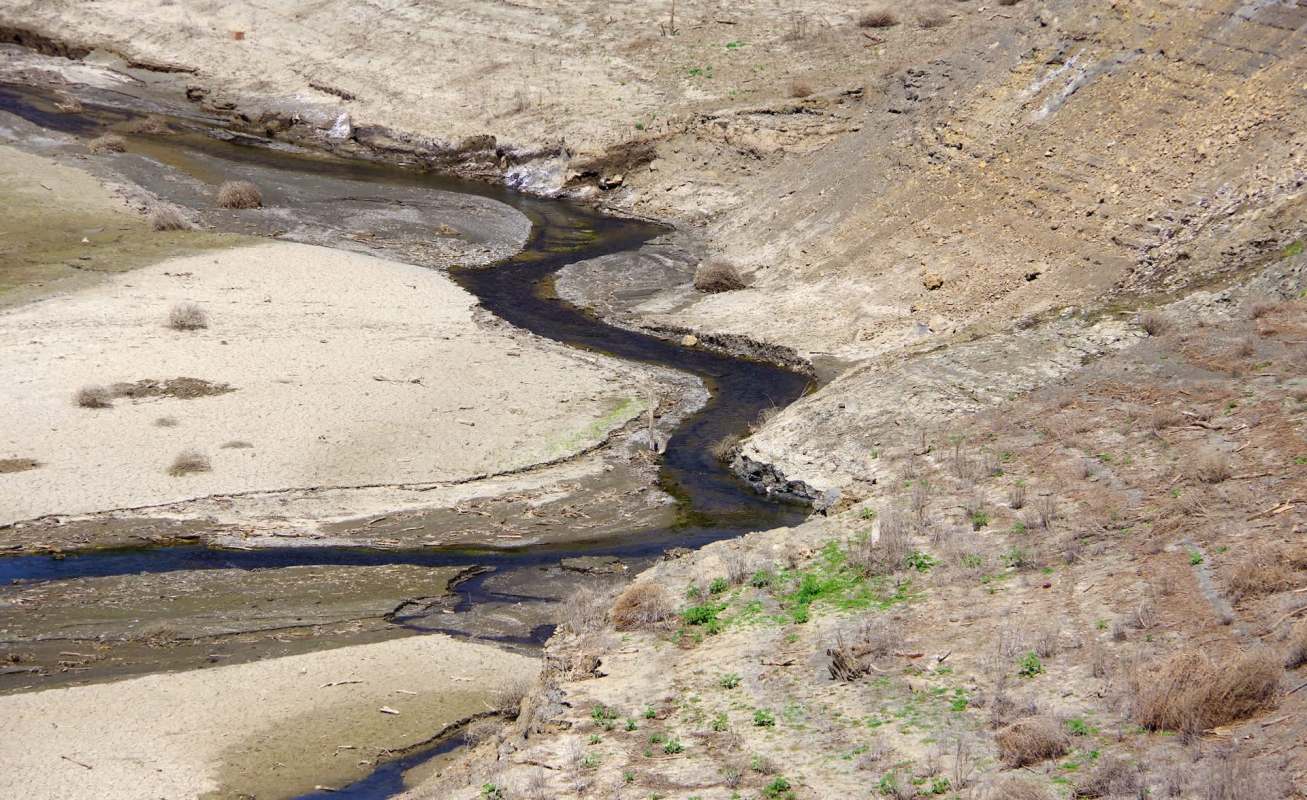
While households may rightly be concerned about the increased risk of wildfires as global temperatures rise, the price of water could also become a headache.
According to research, parts of the western U.S. could see monthly water bills more than double due to resource scarcity. Lower-income residents are expected to be hit hardest.
What's happening?
The Stanford-led study, published on July 8 in the journal Nature Sustainability, concluded that continued warming temperatures and drier conditions could make household water more expensive in regions already under stress, with Western communities facing particular risk.
"Climate change stresses water supplies, and forces utilities to build expensive new infrastructure to maintain reliability," lead author Jennifer Skerker said in a statement.
The researchers used Santa Cruz, California, as an example. Under a drier climate scenario, the median monthly bill for the city's poorest residents was projected to increase from about $60 to $111, with some households spending up to a third of their income on water.
Why does it matter?
When utility bills rise, lower-income households have the least financial flexibility.
TCD Picks » Quince Spotlight
💡These best-sellers from Quince deliver affordable, sustainable luxury for all




USA Today noted that an expected increase in water bills would likely require "painful trade-offs with food, health care, and other necessities."
This would exacerbate a trend that is already underway. The study found that tap water prices in the U.S. have climbed at about three times the rate of inflation over the past two decades, largely because of aging infrastructure and delayed maintenance. Climate stress would add even more pressure.
"This is a problem because many people are already struggling to afford their water bills," Skerker told USA Today in an email.
What's being done?
In a statement, study co-author Sarah Fletcher described "climate adaptation and water affordability" as being on a "collision course" because drought-resilience systems — including desalination, water reuse facilities, and water transfer infrastructure — are costly to build.
In the U.S., water infrastructure is often paid for through customer rates, so the current funding model can put affordability and reliability in tension.
However, researchers emphasized to USA Today that solutions exist. Skerker said that one response could be more support from states and the federal government through grants and infrastructure financing programs.
She also said there is a need for a permanent low-income water assistance program. In 2021, during the COVID-19 pandemic, the federal government created one, but it has since expired.
"Ensuring reliable water access for everyone is going to require interventions at the state and federal level that go far beyond what individual utilities can do on their own," Fletcher added.

Get TCD's free newsletters for easy tips, smart advice, and a chance to earn $5,000 toward home upgrades. To see more stories like this one, change your Google preferences here.






