


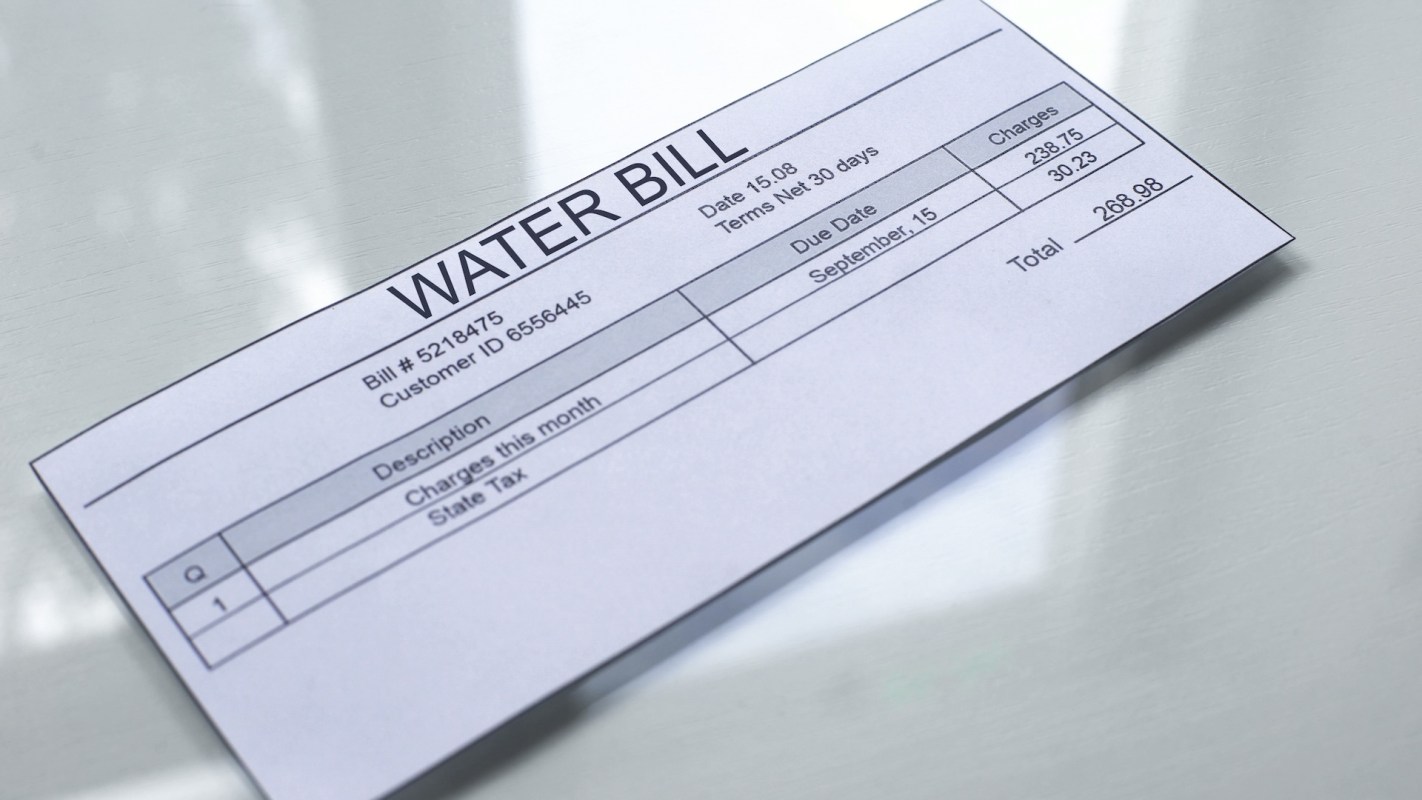
A warming climate may soon show up in a place many Americans cannot ignore: their monthly water bill.
New research out of Stanford suggests that in some areas, household costs could climb sharply, and even close to double, as drought and heat put more pressure on local water systems.
What's happening?
Santa Cruz, California, was the city studied by Stanford researchers and other collaborators to explore how climate-related strain could affect what residents pay for water.
The peer-reviewed paper, published in Nature Sustainability, found that as water becomes less available, utilities may have to spend far more to maintain service to homes.
The problem could become so severe by 2050 that between 7% and 16% of households within the city would not be able to afford water after climate change causes prices to jump nearly twofold.
Worsening drought can force cities to spend more to acquire, move, and treat water.
TCD Picks » Quince Spotlight
💡These best-sellers from Quince deliver affordable, sustainable luxury for all




But utilities generally pass added operating costs along rather than absorbing them. That means climate-related strain could show up directly in what residents are charged each month.
While the study focused on Santa Cruz, other communities across the United States are already dealing with water shortages, prolonged dry spells, and stressed infrastructure.
According to the U.S. Drought Monitor, as of July 21, roughly 46% of the Lower 48 states are experiencing drought conditions.
Why does it matter?
Water is not a luxury purchase people can cut from the budget when prices rise. It is one of the most basic household needs, which means even moderate increases can create real pressure for families living paycheck to paycheck.
If water bills rise sharply, lower-income households are likely to feel the biggest effects. People in that group already spend a larger share of their income on essentials such as housing, food, power, and transportation.
When the cost of a basic necessity climbs, families may be forced into difficult tradeoffs, and communities can face widening inequality around access to reliable water service.
Beyond wildfires, floods, and heat waves, climate change will also raise the cost of routine services that many households already struggle to afford.

Get TCD's free newsletters for easy tips, smart advice, and a chance to earn $5,000 toward home upgrades. To see more stories like this one, change your Google preferences here.






