


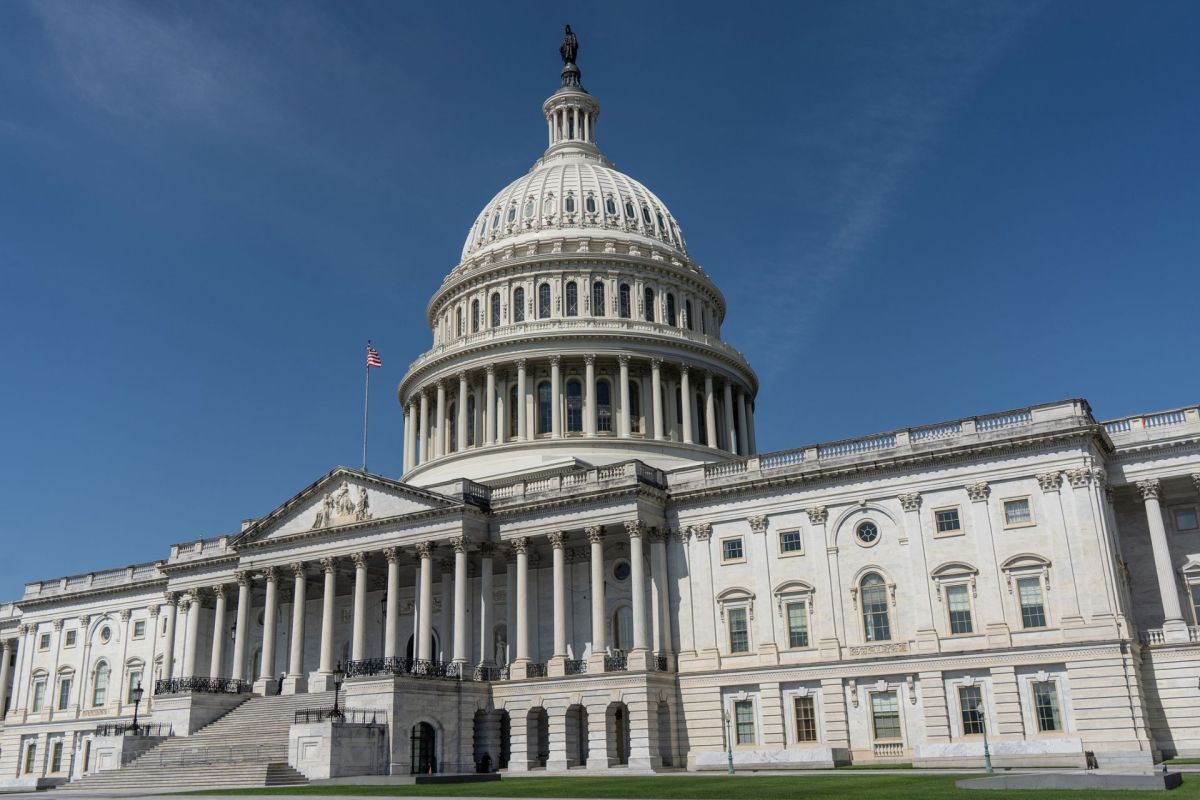
House Republicans are moving legislation that would sharply limit efforts to make fossil fuel companies pay for climate-related damage.
Here's what to know
The House Judiciary Committee plans to debate and vote on the "Stop Climate Shakedowns Act of 2026," introduced in April by Wyoming Rep. Harriet Hageman. The bill would block many liability claims involving businesses across the energy supply chain, a step that could protect oil and gas companies from lawsuits over climate damage, Inside Climate News reported.
A Senate version from Texas Sen. Ted Cruz and three other Republicans would pursue the same goal. The proposal also claims there is no scientifically credible connection between pollution from burning non-renewable energy sources like gas, oil, and coal and climate disasters, despite decades of research showing that heat-trapping pollution contributes significantly to more destructive weather and extreme heat.
Hageman defended the proposal in a statement, saying, "Energy security is national security. America's energy producers should be protected from the dangerous legal precedent that would be set by the retroactive punishment of lawful activity."
The push comes as legal challenges against oil and gas companies continue to grow. Mike Meno, communications director for the Center for Climate Integrity, said that 11 states, Washington, D.C., two tribal governments, and dozens of cities and counties have sued the industry over alleged deception about climate impacts.
More background
When cities and counties are forced to spend more on wildfire preparedness, heat protections, and other climate adaptation efforts, taxpayers are often left to carry the burden.
TCD Picks » Quince Spotlight
💡These best-sellers from Quince deliver affordable, sustainable luxury for all




One major case drawing close attention, Suncor Energy v. County Commissioners of Boulder County, will be heard by the Supreme Court on Oct. 5, according to ICN. Boulder sued ExxonMobil and Suncor in 2018, seeking damages to help pay for adapting to extreme heat and wildfires. Oil companies, meanwhile, argue that pollution from non-renewable energy should be addressed under federal law rather than through state-level cases.
That argument is playing out as the federal government also pulls back climate protections. The Trump administration's Environmental Protection Agency repealed the Biden-era 2024 Carbon Pollution Standards covering current coal plants and new gas facilities and has also proposed narrowing its future authority over power plant pollution.
What's being done?
For now, the bill still has a long road to travel before it could become law. Even so, parts of it could end up in other must-pass legislation.
Local and state lawsuits remain among the biggest active efforts to force accountability. Those cases aim not only to test what companies knew and when, but also to secure funding for communities facing mounting damage from climate-fueled extremes.
Maggie Coulter, an attorney at the Center for Biological Diversity's Climate Law Institute, said the broader strategy would strip states of power at the same time federal protections are weakening.
"This is one piece of the bigger picture," Coulter said, according to ICN. "The federal government's backing off regulations. This kind of Big Oil immunity would take the power away from states to go after companies for their deceptive practices."
As Meno put it, "More than one in four Americans live in a community that is fighting to put big oil companies on trial to hold them accountable for their climate deception and make them pay for the harm that deception has caused."
Where can I learn more?
These stories look at efforts to make oil companies pay for damages, regulate pollution, and preserve clean energy incentives.
• In New York, lawmakers advanced legislation to make polluters pay for environmental damages.
• In Guyana, officials proposed new rules to address pollution problems in the oil industry.
• In Washington, five Republican senators are pushing to preserve clean energy tax credits despite repeal efforts.

Get TCD's free newsletters for easy tips, smart advice, and a chance to earn $5,000 toward home upgrades. To see more stories like this one, change your Google preferences here.






