


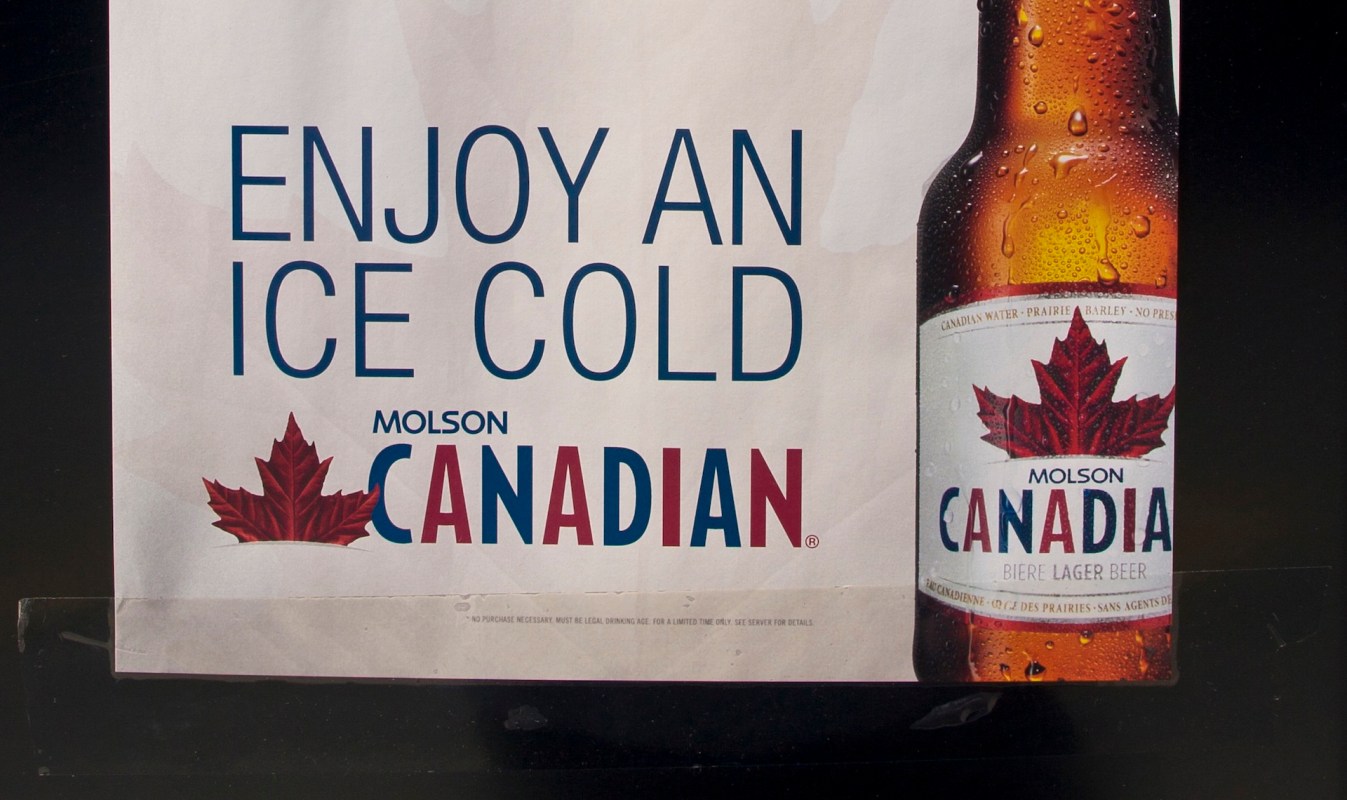
The U.S. federal government's latest move in its trade dispute with Canada is hitting a highly unusual mix of products, including alcohol, molasses, motorcycles, and some dairy goods.
The ban could add pressure on prices and on businesses that rely on cross-border trade.
Here's what to know
According to a video report from CBC News (@cbcnews), a U.S. ban on several Canadian imports began Sept. 29, after those same products had already been hit with 50% tariffs. The products affected include alcohol, molasses, motorcycles, and select dairy items.
@cbcnews Washington's ban on several Canadian goods, including alcohol, molasses, motorcycles and select dairy products kick in as of Sept. 29. The list of items might come across as a head-scratcher to some but one trade lawyer suggests there's more to this collection than meets the eye. #Trade #US #Canada #Explainer #CBCNews ♬ original sound - CBC News
Barry Appleton, the trade lawyer featured in the video, said this kind of measure escalates the wider tariff conflict because bans are hard to unwind once in place.
"And so what Washington's telling us here in Canada is: 'New ball game, new mayor, watch out,'" Appleton said in the outlet's written report.
The report also highlighted complaints from U.S. sugar producers about "molasses stuffing." The CBC reported that American companies have been lobbying for higher tariffs on foreign sugar products and argue that Canadian companies have been evading tariffs by importing deconstructed molasses.
TCD Picks » Quince Spotlight
💡These best-sellers from Quince deliver affordable, sustainable luxury for all




Zooming out, trade restrictions can quickly ripple outward, affecting transportation companies, store shelves, restaurant buyers, and families already dealing with higher everyday costs.
One commenter on the post wrote, "Canada is in the find out phase right now."
More background
Even though tariffs were already making these Canadian goods more expensive, a ban is a more dramatic step. Rather than simply raising costs, it can cut off supply entirely, making it harder for businesses to adapt through pricing alone.
"It's just a way to try to mess with Canada and that's what we're looking at," Appleton told the outlet. "The U.S. has decided they want to ramp up a little more pressure."
For products such as alcohol, dairy, and other food-related imports, distributors, bars, grocers, and specialty retailers may need to scramble for alternatives. Consumers may not follow trade law closely, but they do notice when favorite products disappear or household budgets get tighter.
Supporters of tougher trade enforcement often argue that measures like this can create leverage for more balanced market access and stronger protections for domestic producers.
"The issue is Canada believes they should have unrestricted access to US markets to sell goods they have a competitive advantage in (aluminum and steel) but want heavy tariffs on goods the US has a competitive advantage in (Dairy)," a commenter wrote on TikTok.
They did face some pushback from commenters who wanted more backing for that claim.
What can be done?
At the policy level, the clearest solution is to resume negotiations. A targeted agreement would likely cut costs more than prolonged retaliation.
Appleton told the CBC that the trade war is far from over, in hockey terms.
"We are in the first period of hockey, but don't give up," he concluded to Canadian viewers.
Where can I learn more?
Trade bans and other government restrictions can quickly spread through supply chains.
• In China, officials are restricting exports of critical material needed to keep EV production moving.
• Sweden has moved ahead with a major international shipping ban aimed at curbing pollution.

Get TCD's free newsletters for easy tips, smart advice, and a chance to earn $5,000 toward home upgrades. To see more stories like this one, change your Google preferences here.






