


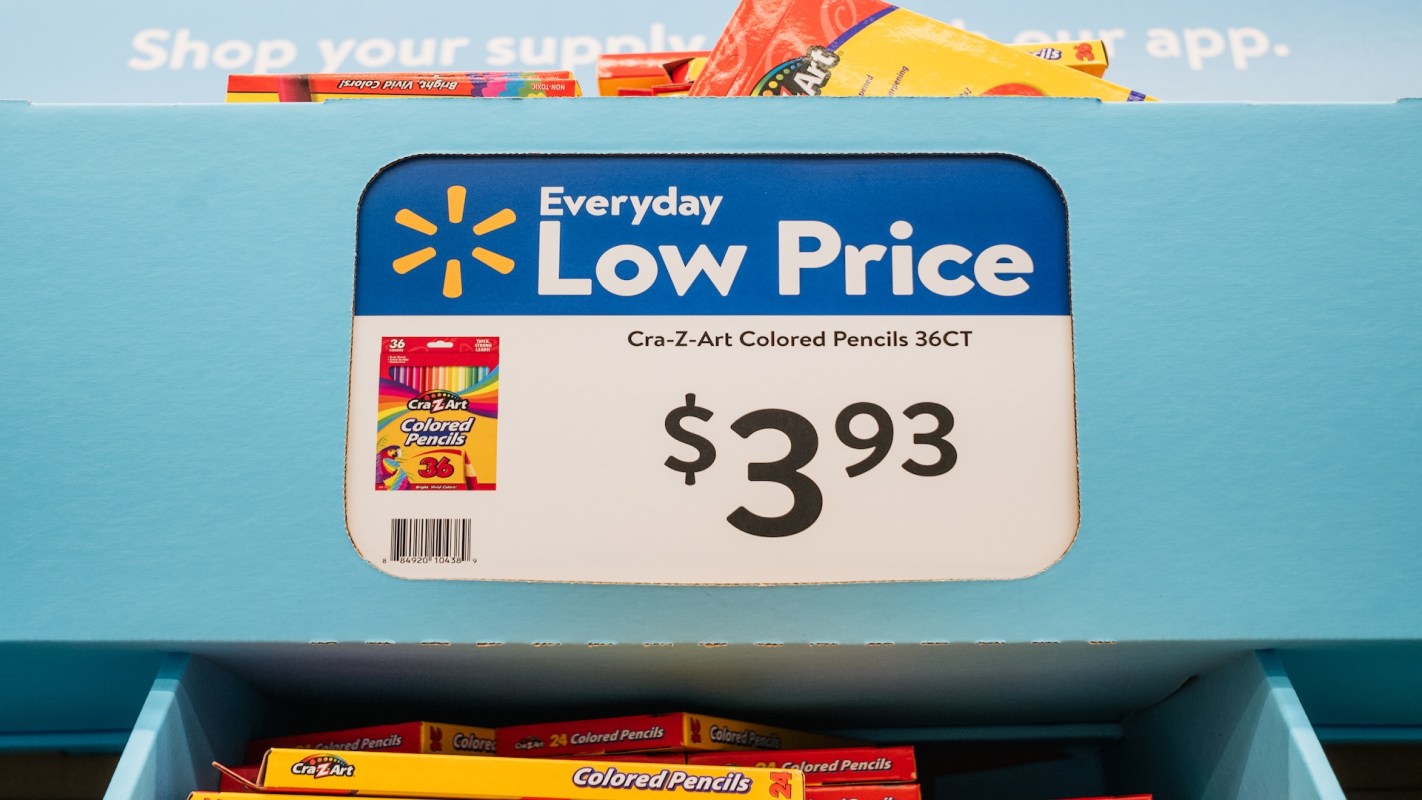
Walmart's latest patent filings are renewing a question that tends to unsettle shoppers: If a retailer gathers enough information about its customers, could that eventually affect what each person pays?
Nothing in the patents indicates that Walmart is charging different shoppers different prices for the same item. But the filings have surfaced amid wider unease over surveillance pricing, personalized pricing, and other retail practices shaped by consumer data.
Here's what to know
According to Fortune, a patent granted in January describes an automated system for setting online markdowns by predicting demand and tracking how shoppers respond to price. A second patent, issued in March, focuses on using past purchases to forecast demand and suggest prices.
Jameson Spivack of the Future of Privacy Forum said that the filings describe "systems that are adjusting prices at the item level rather than at the individual level."
Put simply, demand changes could alter a product's price for everyone, rather than changing it for one shopper because of who they are.
"A patent does not mean a technology is in use today or will become a Walmart product or service. Walmart doesn't charge different prices based on a customer's personal information or purchase intent or history," said a company spokesperson.
TCD Picks » Quince Spotlight
💡These best-sellers from Quince deliver affordable, sustainable luxury for all




More background
Walmart's privacy notice says the company collects purchase histories, along with records of what customers browse and search for on its website and app. It also says it can use the data to customize ads, product recommendations, and promotions.
If companies ever moved from targeted advertising to targeted prices, the burden would likely fall hardest on people with the least room in their budgets.
Jay Stanley, a senior policy analyst at the ACLU, said that the patents did not appear to describe individual-level pricing. However, he also noted that loyalty programs and online shopping have made it much easier for retailers to identify customers and track their habits over time.
Walmart's move toward digital shelf labels has only added to the anxiety. The company said in March that about 2,300 U.S. locations had the labels and that it expected a chainwide rollout.
What's being done?
Walmart says the digital labels do not collect customer information and that everyone in the same store sees the same in-store price regardless of demand, time of day, or identity. The company also said workers sign off on price changes, usually when customers aren't shopping.
The issue is also drawing closer regulatory attention. The Federal Trade Commission is considering when companies should have to tell consumers that personal data helped determine a price.
Apps, loyalty programs, and online accounts can offer convenience and discounts, but they also deepen the profile a company can build around spending habits, health needs, and purchase patterns.
The core concern is not simply that prices change — retailers have always adjusted them — but whether those changes stay tied to demand rather than a shopper's identity.
"Are they going to charge you a different price if they know who you are versus if they don't know who you are?" Stanley said.
Where can I learn more?
Walmart's latest patent filings are part of a larger debate over how retailers use customer data and adjust prices.
• Walmart's digital price tags nationwide intensified scrutiny of patents tied to shifting prices.
• At Kroger, new digital price tags raised lawmaker concerns over possible grocery surge pricing.
• Walmart workers said the digital price tag system created confusion and headaches in stores.

Get TCD's free newsletters for easy tips, smart advice, and a chance to earn $5,000 toward home upgrades. To see more stories like this one, change your Google preferences here.






