


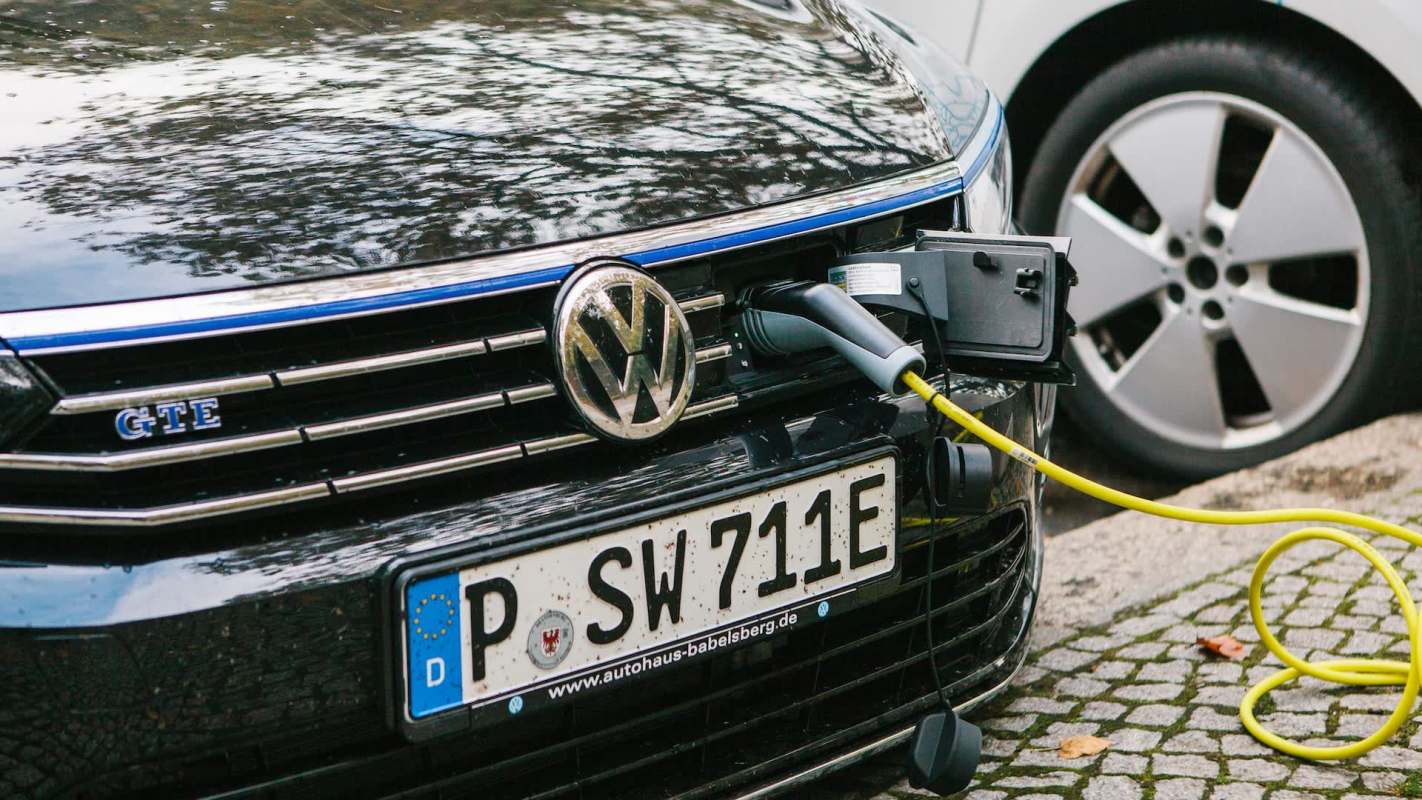
In Germany, Volkswagen is now taking more orders for electric vehicles than for combustion-powered models, turning what might sound like good news into a manufacturing problem, according to Motor1.
Here's what to know
Citing Automobilwoche, the outlet reported that Volkswagen is responding by canceling planned extra shifts at its enormous Wolfsburg plant instead of expanding output there.
The issue stems from how the company's production base is configured.
Wolfsburg has long been set up around combustion vehicles, while EVs usually need fewer mechanical components and less labor to assemble. That can leave automakers with more capacity for older vehicle types than demand now requires.
So rather than adding more time on the line in Wolfsburg, Volkswagen is backing away from that plan.
The 88-year-old site, where the Golf, Tiguan, and Tayron are built, is expected to turn out about 580,000 vehicles instead of topping 600,000.
TCD Picks » Quince Spotlight
💡These best-sellers from Quince deliver affordable, sustainable luxury for all




Elsewhere in Volkswagen's factory network, EV production is getting more support.
Emden is set to add at least two shifts for the ID.7 in liftback and wagon form, while Zwickau is seeing stronger demand for the ID.3 Neo.
The company's new ID. Polo has also surpassed 40,000 orders across Europe.
More background
Volkswagen's internal shift reflects a broader change to Europe's auto market.
For years, Volkswagen and other legacy automakers struggled to move drivers toward EVs, facing repeated concerns about price, limited choices, and charging infrastructure.
That picture is starting to change because smaller, lower-priced EVs are arriving just as German demand strengthens, as Motor1 noted. Higher fuel prices are also pushing some buyers away from combustion vehicles and toward cars that can cost less to operate over time.
At the same time, the shift creates a difficult transition for manufacturers and workers.
A factory designed around gas-car production cannot instantly become an EV plant, and fewer moving parts can mean less on-site assembly labor.
For Volkswagen, that pressure comes as the company is already deep into a major cost-cutting effort.
What's being done?
Volkswagen is reshuffling production rather than cutting output across the board.
Plants focused more heavily on EVs are gaining extra shifts, while Wolfsburg is scaling back additional gas-car capacity that no longer matches buyer demand.
Another sign of that manufacturing rethink is where key models will be built. Motor1 reported that Golf production is scheduled to move to Puebla, Mexico, in 2027.
As automakers roll out smaller, lower-cost electric vehicles, drivers have more opportunities to find a model that fits both their budget and everyday travel needs.
Where can I learn more?
Volkswagen's shift in Germany is part of a broader overhaul of its EV lineup, battery technology, and factory plans. That includes entry-level EVs and other investments shaping future production.
• Volkswagen plans next-gen LFP batteries to cut EV costs and compete with China.
• Volkswagen Group is moving ahead with an entry-level EV priced below $25,000.
• Volkswagen previewed the $27,000 ID 2all, signaling how affordable EVs are changing.

Get TCD's free newsletters for easy tips, smart advice, and a chance to earn $5,000 toward home upgrades. To see more stories like this one, change your Google preferences here.






