


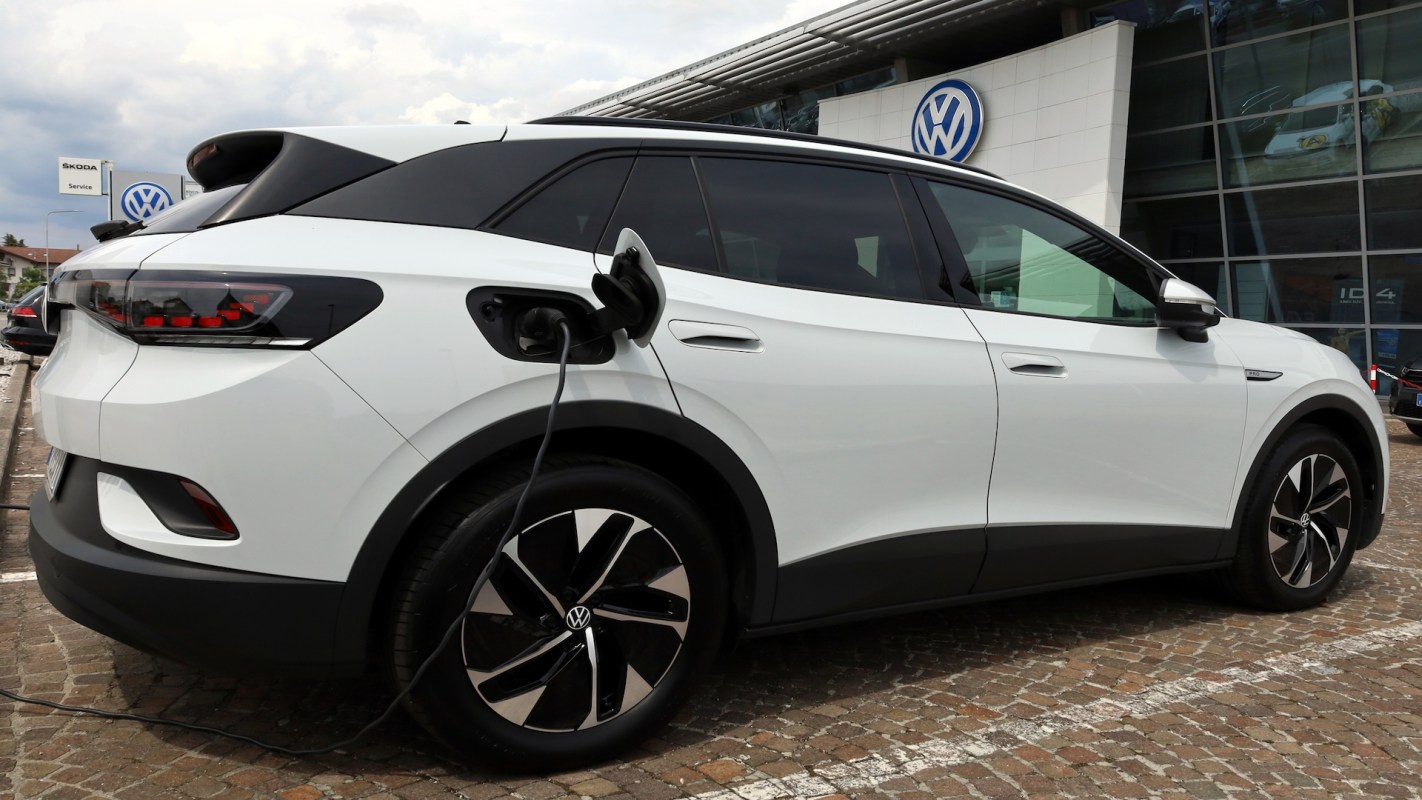
After years of automakers trying to crack the affordable EV market, Volkswagen is now facing a different conundrum: demand for its lower-cost electric models is strong enough that it is scaling back gas car production in Germany.
The reversal stood out most in Volkswagen's home market, where new orders for battery electric vehicles reportedly surpassed those for internal combustion engine (ICE) models, Electrek reported.
Here's what to know
Volkswagen is revising production plans at multiple European factories after EV demand came in stronger than expected.
In Germany, the company is taking more orders for fully electric Volkswagens than for its gasoline and diesel vehicles.
Because demand for combustion models has weakened, Volkswagen no longer expects Wolfsburg to justify a production increase.
The plant, which builds the ICE-powered Golf and Tiguan, is dropping previously planned extra shifts and is projected to remain near 580,000 vehicles a year rather than 600,000 or more.
TCD Picks » Quince Spotlight
💡These best-sellers from Quince deliver affordable, sustainable luxury for all




More background
Martin Sander, Volkswagen's sales director, described the moment as a "turning point" in the industry's transition toward electrification.
At the same time, the company's EV plants in Emden and Zwickau are preparing to operate at higher capacity with at least two added shifts.
The early response to Volkswagen's lower-priced EVs helps explain the abrupt change. Since its late April launch, the new entry-level ID. Polo has drawn more than 40,000 orders across Europe.
In Trend trim, the ID. Polo offers a WLTP-rated range of about 207 miles (334 kilometers) and starts at €24,995, or roughly $29,000.
Interest is also running high for the ID.3 Neo, Volkswagen's updated electric hatchback that entered the European market in April.
The model is also expected to boost output at the company's Zwickau factory. Neither the Polo nor the Neo are expected to release in the United States, as things stand, though any standout sales performance or demand shift could always change that.
What's being done?
Volkswagen is redirecting production attention toward the models customers are actually buying.
In practice, that means trimming planned gas vehicle shifts in Wolfsburg and stepping up work at EV-focused plants in Germany.
Volkswagen is making a similar adjustment in Spain, where its Martorell factory builds the ID. Polo. Production there is increasing to meet demand that appears to have outpaced the company's initial expectations for the model family.
Buyers may still face delays: Automobilwoche reported that every ID. Polo version had already been claimed, creating a waitlist of at least 10 months.
"Everyone is switching to electric cars they can afford," a dealership group executive observed.
Where can I learn more?
Volkswagen's production shift is part of a much bigger trend in Europe as more affordable EVs start to reshape the market. These articles cover the entry-level models, factory moves, and competitive pressure behind the trend.
• Volkswagen Group is pushing electromobility for all with a new EV priced below $25,000.
• At Martorell in Spain, Volkswagen's first low-cost EVs have started rolling off the line.
• Across Europe, automakers are shrinking their EVs to counter cheaper Chinese rivals.

Get TCD's free newsletters for easy tips, smart advice, and a chance to earn $5,000 toward home upgrades. To see more stories like this one, change your Google preferences here.






