


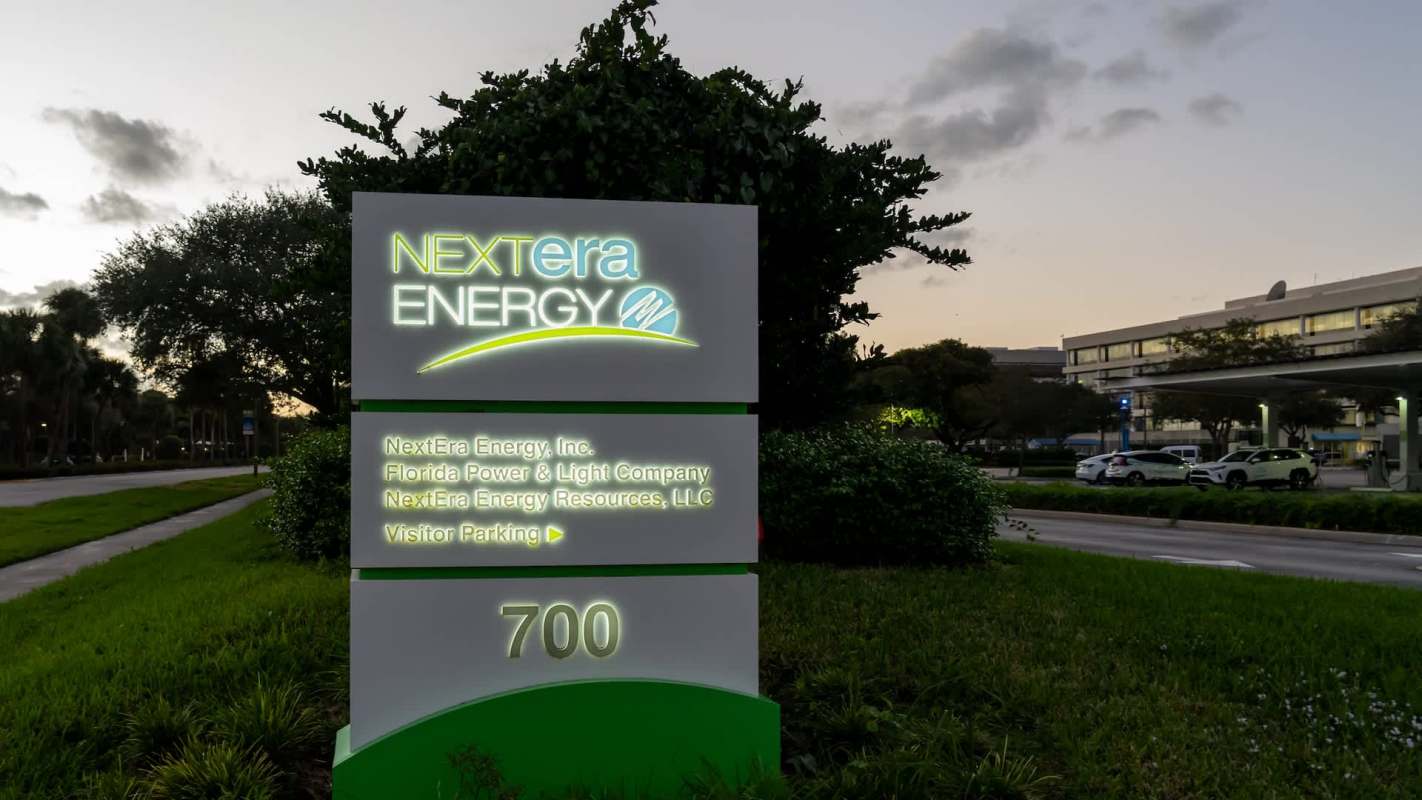
Virginia households could get a little more breathing room on their power bills if Dominion Energy's proposed merger with NextEra Energy wins approval.
As they seek approval for the merger, Dominion and NextEra are offering a longer stretch of bill credits for households, along with promises related to jobs, workforce spending, and faster clean energy development.
Here's what to know
Under the revised plan, the companies say the average residential customer in Virginia would get a $10 monthly credit for four years instead of the two years included in the initial merger proposal, according to Cardinal News.
For a typical household using 1,000 kilowatt-hours per month, that would provide additional short-term relief at a time when electricity costs are already rising.
In all, the shareholder-funded credits would total $2.25 billion, including $1.78 billion for Virginia customers. Most of the added residential relief would come from redirecting credits away from large data centers, while smaller businesses and churches would still receive two years of credits.
If approved, the $67 billion deal would create the world's largest regulated electric utility business.
TCD Picks » Quince Spotlight
💡These best-sellers from Quince deliver affordable, sustainable luxury for all




Dominion CEO Bob Blue said, "This combination is about building something greater together for Virginia: stronger customer benefits, more jobs, more clean energy, more local investment and a utility that remains focused on the customers and communities it serves."
Still, critics are not persuaded. Clean Virginia Executive Director Brennan Gilmore said, "Approval of this transaction is not contingent on whether Dominion and NextEra have assembled an attractive enough package of benefits — it's whether this change in control risks reliable service at a rate Virginians can afford."
More background
Dominion customers are already facing higher bills. The State Corporation Commission previously approved an increase that adds $13.60 to the average residential monthly bill over a two-year span, with $11.24 already taking effect on Jan. 1, 2026, and another $2.36 scheduled for 2027, Cardinal News reported.
The companies say a combined utility could buy, build, and operate energy infrastructure more efficiently, which they argue would help keep future costs down.
They also said the merger could speed up development of solar power, nuclear energy, and battery storage.
Solar can reduce dependence on fuel sources with volatile prices, while battery systems can store power when it is cheaper to produce and release it when demand — and prices — are higher. That can help support grid reliability while cutting the pollution that overheats the planet.
Hearings are expected to start in Richmond in November, and a decision is anticipated in January. More than 800 written comments have already been submitted to the commission, many from Virginians raising concerns about future rates and possible job losses.
What's being done?
Dominion and NextEra said Dominion would keep 10,431 employees in Virginia for at least five years. NextEra also pledged 600 additional jobs in the state, with suppliers expected to add 400 more.
The companies also promised broader investments, including $100 million through 2038 for low-income energy assistance, $100 million for workforce development, and up to $1 billion over five years for Virginia contractors, suppliers, and service providers. Shareholders, the companies said, would also pay for a new office tower next to Dominion's headquarters in Richmond.
Regulators will still have the final say, and the review extends beyond Virginia. The merger also needs approval in North Carolina and South Carolina and federal sign-off from both FERC and the Nuclear Regulatory Commission, along with clearance under federal antitrust law.
Sen. Louise Lucas, D-Portsmouth, said the commission "now has more positives to consider" and added, "As always, I stand with the people of the Commonwealth and I want data centers to pay their fair share."
Where can I learn more?
These articles look at rising electricity costs in Virginia, expanded solar access, and ways households can save on energy.
• In Virginia, Dominion added an $8 monthly fuel charge and years of bond interest.
• Virginia lawmakers made the shared solar program more accessible to Appalachian households.
• Virginia became the first state to take a rooftop solar-buying program statewide, cutting system costs.

Get TCD's free newsletters for easy tips, smart advice, and a chance to earn $5,000 toward home upgrades. To see more stories like this one, change your Google preferences here.






