


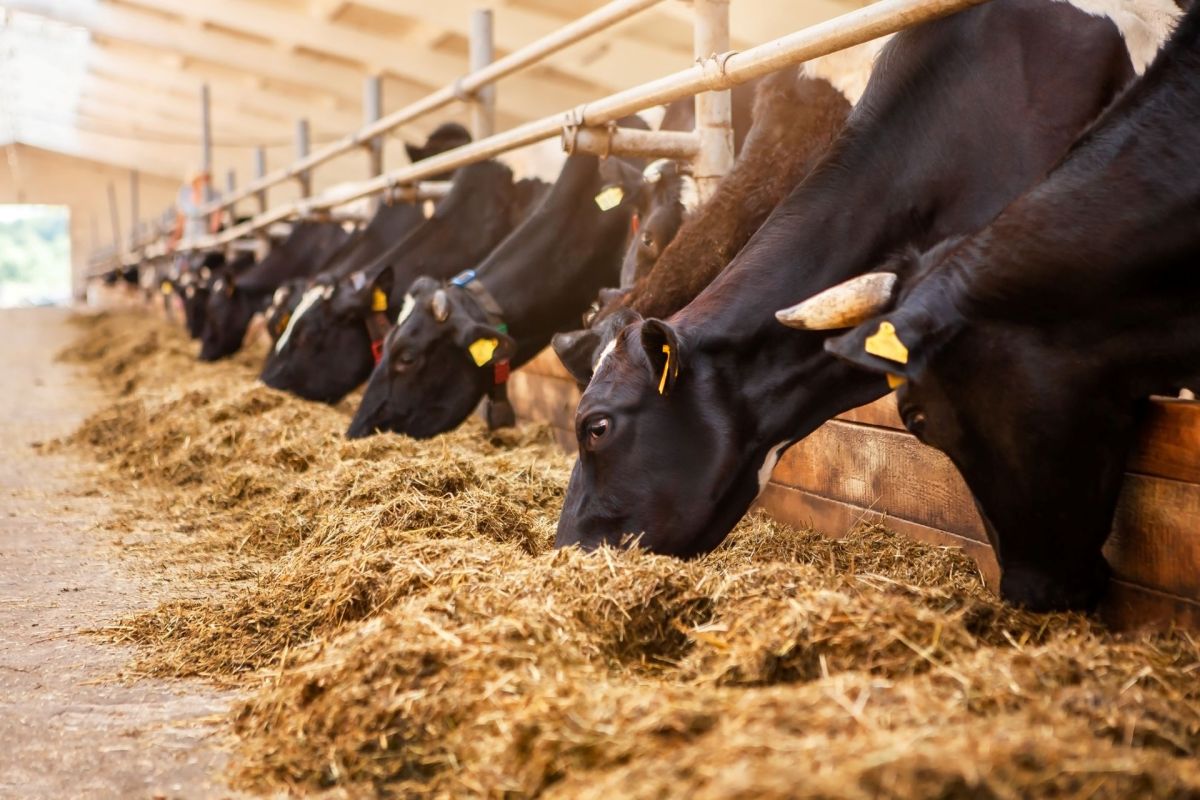
A prolonged drought left a Virginia cattle farmer with just one-third of his usual first hay harvest, threatening his ability to feed about 500 pregnant cows.
Dave Norford was the seventh generation of his family to run the farm. Insufficient feed jeopardized its financial stability and the cattle themselves.
Here's what to know
Growing grass for winter hay depends on substantial spring rain, which farmers did not get. The drought began in October 2025, drying up wells, lowering reservoirs, and scorching pastures across Virginia, according to Charlottesville Tomorrow.
Norford operates a 3,000-acre cattle farm in Albemarle County, where he breeds cows to deliver calves each fall.
Ralph Morton, a third-generation farmer in neighboring Greene County, also harvested only about one-third of his normal first hay crop, Charlottesville Tomorrow reported.
While summer storms eventually helped central Virginia pastures recover, most of Campbell County missed the much-needed rain. Todd Scott, a cattle farmer and Virginia Cooperative Extension agent there, sold calves early and rationed hay while weighing whether to sell more animals.
TCD Picks » Quince Spotlight
💡These best-sellers from Quince deliver affordable, sustainable luxury for all




More background
Beyond damaging pastures, the drought threatened water access and raised public health concerns.
Scott also reported hungry cattle escaping fences to find greener grass in roadside ditches, creating safety risks for surrounding communities. Meanwhile, farmers faced a costly choice: buy hay or sell animals to feed their remaining herds.
Virginia's average temperature is nearly 3 degrees higher than it was in 1970, according to George Mason University's Virginia Climate Center. However, Julie Shortridge, a Virginia Tech assistant professor in biological systems engineering, cautioned against attributing this particular drought directly to climate change.
What's being done?
To help make up for the shortage, Norford bought hay and planted sorghum and millet, summer grasses that require less water.
Morton planted sorghum and sudangrass. He also limits his cattle numbers to what his pastures can support and uses his own composted woodchips to fertilize the land, according to Charlottesville Tomorrow.
In September, Gov. Abigail Spanberger issued an emergency declaration that lifted transportation restrictions to help bring large quantities of hay into Virginia from neighboring states.
Scott and others worked to connect producers with suppliers, including farmers in Ohio, which escaped the drought.
Scott and fellow extension agents also began bringing farmers together to prepare for winter and future shortages, according to Charlottesville Tomorrow. They recommended stockpiling hay whenever harvests allow.
A National Weather Service forecast for a wetter-than-average winter offered some hope, though rebuilding hay supplies would also depend on spring growing conditions.
"If we hadn't started getting the rain we did starting about August, we would really be in trouble," Norford said.
Where can I learn more?
Virginia's hay shortage is part of a wider struggle for farmers facing drought and extreme heat. These stories explore water shortages, damage to crops and cattle, rising beef prices, concerns about imports, and farm losses.
• In eastern Montana, a rancher turned to portable cattle water tanks as drought intensified.
• U.S. heat waves killed cattle and battered crops, potentially pushing grocery bills higher.
• Texas ranchers blamed drought for rising ground beef prices, warning imports cannot resolve shortages.
• Virginia cattle farmers warned tariff-free beef imports could threaten the survival of family farms.
• German farmers shouldered losses from drought as extreme heat and scant rainfall became routine.

Get TCD's free newsletters for easy tips, smart advice, and a chance to earn $5,000 toward home upgrades. To see more stories like this one, change your Google preferences here.






