


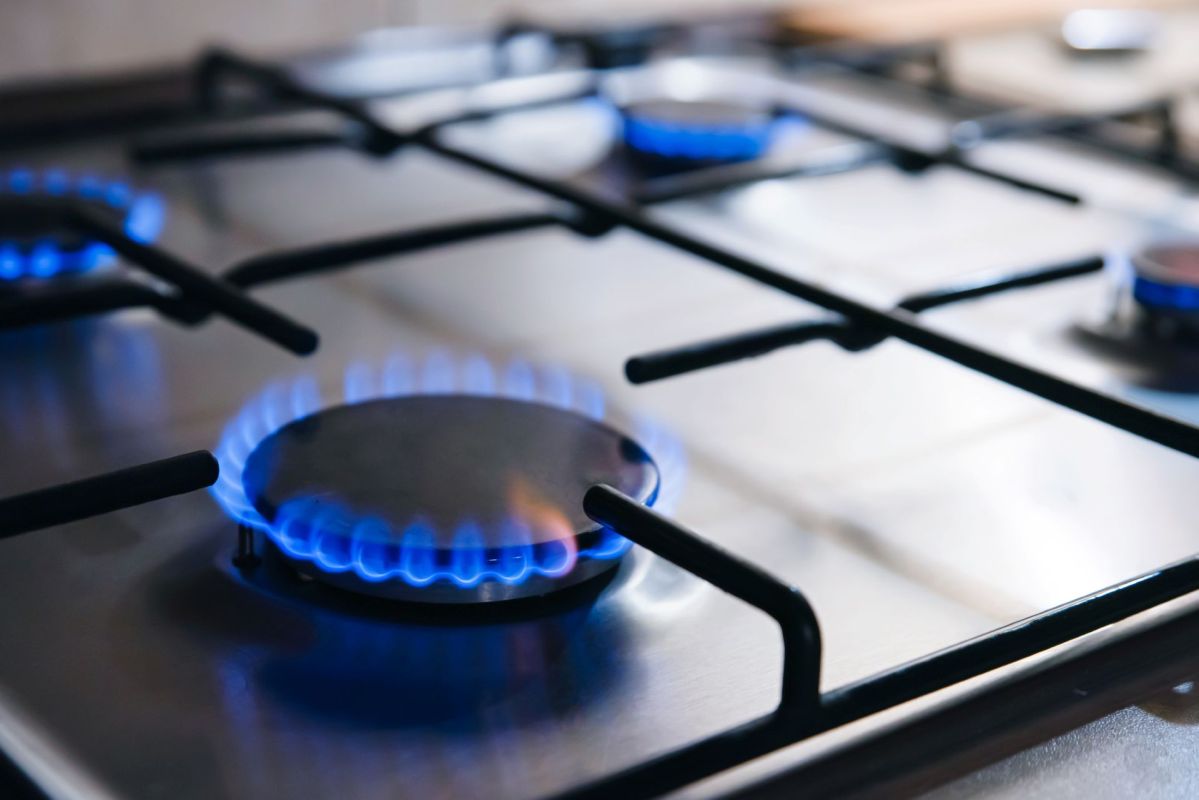
Victoria's gas industry is facing renewed backlash after leaked lobbying material showed pressure on the state government to abandon a planned ban on gas hookups in newly built homes.
In the paper, annual household gas costs were said to rise by about $100 if the policy takes effect, though Guardian Australia reported that no evidence was provided for that estimate.
Here's what to know
As Victoria moves toward Jan. 1 rules ending gas-network connections for new homes and commercial buildings, ministers were given a paper by Australian Gas Infrastructure Group (AGIG) lobbyist Ken McAlpine, Guardian Australia reported.
While the lobbying paper said falling demand could leave remaining gas users with higher network costs, the Victorian government says all-electric new buildings could reduce household costs by about $880 a year, or roughly $1,820 with solar panels.
Tony Wood, a senior fellow on energy and climate change at the Grattan Institute, disputed the argument. "I do not understand why there would be any price increases," he said.
Because the company owns major gas pipelines and distribution networks in Victoria and is backed by a Hong Kong-led consortium, fewer new gas hookups could affect its business.
TCD Picks » Quince Spotlight
💡These best-sellers from Quince deliver affordable, sustainable luxury for all




More background
Jonathan La Nauze, chief executive of Environment Victoria, said the document indicated a "scare campaign" and added: "This shows a sophisticated campaign that has considered the political and policy mechanisms."
Coal and gas power plants also carry a cost that goes beyond utility bills. Burning these fuel sources releases air and water pollution linked to asthma, heart disease, cancer and premature death, while keeping energy costs high for the households that depend on them instead of more abundant sources such as solar and wind.
What's being done?
The Victorian government says its position has not changed. Asked about the lobbying document, Victoria's energy and resources minister, Jaclyn Symes, said: "We've always said gas is part of our energy transition — but the reality is legacy supplies from Victoria's Bass Strait are dwindling, and prices are going up."
Francis Vierboom, CEO of the nonprofit Rewiring Australia, said AGIG was "trying to do the department's homework for them."
Wood raised a similar concern about the network-cost claim: "We have been warning against that outcome for some time, and it should not be allowed. The consumers who will be 'forced' to go electric rather than have a gas connection will be financially better off."
Where can I learn more?
Victoria's fight over gas hookups echoes similar battles over building electrification and energy costs elsewhere. They span Australian efforts to discourage new gas connections, Los Angeles' all-electric building rules, a court fight over gas expansion, and two U.S. energy-policy disputes centered on consumer costs.
• Across Australia, hefty new connection fees are pushing residents away from gas in new homes.
• In Los Angeles, all new buildings must go electric under the city's gas ban.
• In the U.S., a court order blocked a gas project accused of deepening dependence on dirty fuel sources.
• In Washington, the Senate voted to block methane rules amid arguments over energy costs.
• In North Carolina, lawmakers finalized a controversial energy rule with big implications for utility bills.

Get TCD's free newsletters for easy tips, smart advice, and a chance to earn $5,000 toward home upgrades. To see more stories like this one, change your Google preferences here.






