


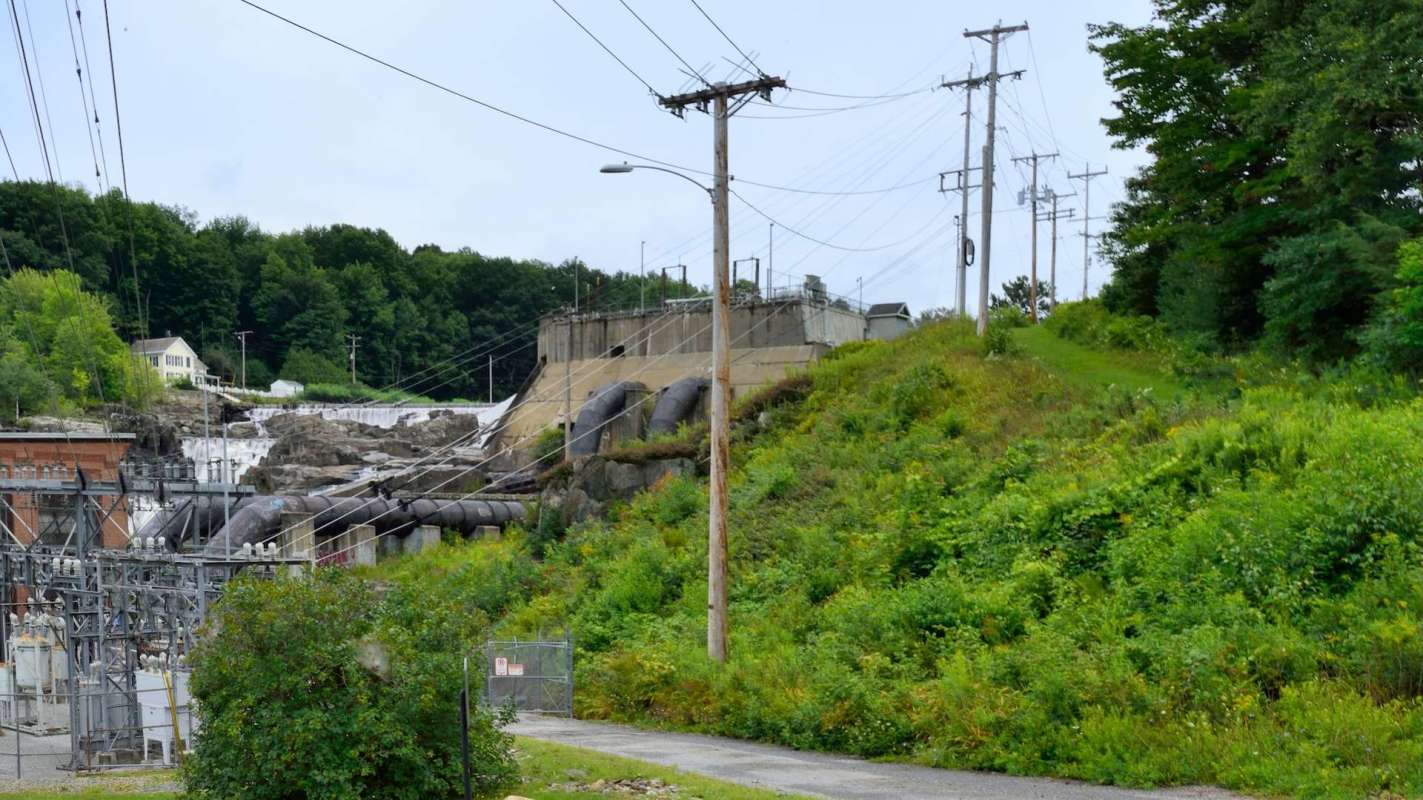
Vermont households claim electrifying their homes has only exposed them to higher power costs.
Here's what to know
In August 2026, the Public Utility Commission approved a 5.5% rate increase for Green Mountain Power. While below the utility's requested 7.5%, the increase still extends a run of hikes that has left the utility with Vermont's highest total power prices, according to Seven Days.
Before issuing that decision, regulators heard from dozens of customers who urged them not to approve another increase.
Graniteville resident Lori Bernier told regulators that households that electrified their homes face special risk because "households that answered the call to electrify are now locked into rising electric costs with no alternative."
Regulators said they had to consider not just the pressure on households, but also Green Mountain Power's inflation-linked operating expenses and the cost of strengthening the grid against worsening climate-related storms.
More background
Since 2010, utilities across Vermont have filed 90 requests to raise rates, according to data from the Department of Public Service, cited by Seven Days.
TCD Picks » Quince Spotlight
💡These best-sellers from Quince deliver affordable, sustainable luxury for all




Commissioner Kerrick Johnson said utilities are being hit at the same time by higher costs to purchase power, transmit it, and deliver it to customers.
Lawrence Berkeley National Laboratory data shows the average monthly residential bill rose 39% from $97.25 in 2019 to $135 in 2026. About 10% of that increase reflects higher electricity use as many Vermont residents made the decision to electrify home heating, transportation, and even lawn care.
That means homes using no more electricity than they did in 2019 now pay about $342 more annually. Power rates climbed 29% during that span, faster than the 26% rise in consumer prices overall.
What's being done?
State officials said utilities need healthier finances. After determining that some utilities lacked adequate capital, the Department of Public Service has urged them to keep larger cash reserves.
Regulators have also scaled back Green Mountain Power's spending plans. The utility sought $341 million for its "zero outages initiatives" over four years, but regulators signed off on $113 million for steps such as strengthening lines and burying some of them to limit storm damage.
The commission also cut the allowed investor return on those upgrades to 9% from 10% to limit the impact on customer bills.
Elsewhere in the state, utilities are trying to address the issues behind localized price spikes. Hyde Park's provider is restructuring $4.5 million in debt, while Swanton is seeking a 30% increase after a failed hydroelectric dam component forced it to buy outside power that could cost up to $2 million a year.
Bernier said, "As much as we care about the environment, you gotta be able to live."
Where can I learn more?
Power bills and utility disputes have become a national debate as prices continue to rise.
• Nationwide, many households don't trust the power bills that keep climbing.
• Utilities are drawing scrutiny for spending ratepayer money on regional transmission expansions.
• In New Jersey, residents are fighting to ensure ratepayers are not burdened by new reactor costs.
• A federal proposal could leave Americans paying more for electricity while access rules shift.
• Across the U.S., millions of homeowners have switched to solar to curb bills.

Get TCD's free newsletters for easy tips, smart advice, and a chance to earn $5,000 toward home upgrades. To see more stories like this one, change your Google preferences here.






