


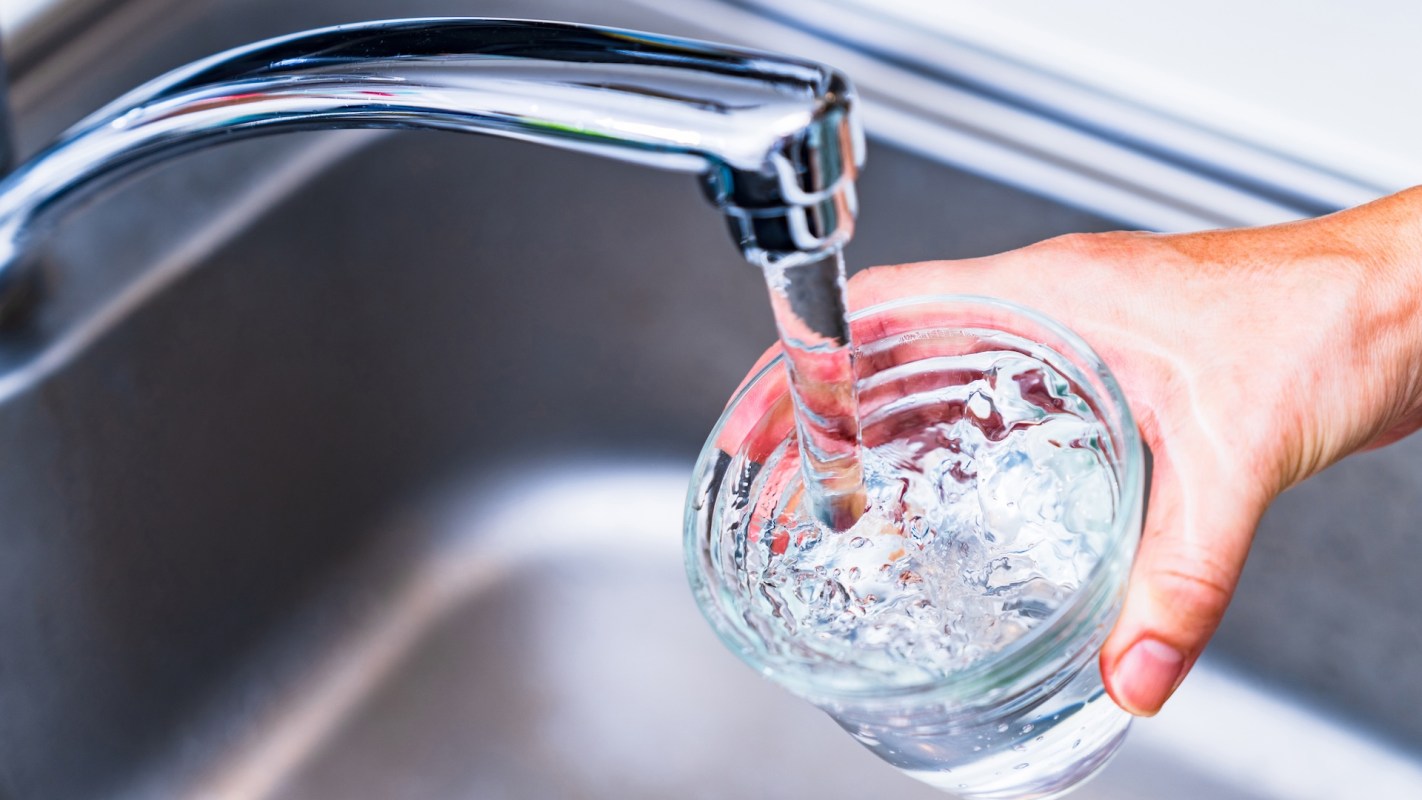
Veolia, a major Delaware water utility, has sued nine companies, alleging that toxic PFAS — often called "forever chemicals" — have polluted waterways that supply about 100,000 people in New Castle County.
Veolia claims the defendants contaminated local water sources with PFAS, chemicals linked to cancer and other serious health risks, and the case was filed in Delaware Superior Court, according to WHYY News.
Here's what to know
According to Veolia, the companies allowed PFAS to enter the waterways that supply its drinking water, forcing the utility to incur major treatment and cleanup costs.
"Each of the Defendants reasonably should have known that they were releasing potentially toxic PFAS into the environment through their operations and use of PFAS at several industrial sites throughout Delaware, but the defendants failed to take any or sufficient actions to remedy such harm or to disclose the risks to regulators, Veolia, or the Delaware public," the suit alleged.
WHYY News identified one defendant as Syensqo Specialty Polymers, previously called Solvay Specialty Polymers.
Solvay once operated a manufacturing site on Greenbank Road in New Castle County, next to Red Clay Creek and upstream of Veolia's Stanton plant. In 2023, the company settled with New Jersey over PFAS releases tied to a West Deptford facility.
TCD Picks » Quince Spotlight
💡These best-sellers from Quince deliver affordable, sustainable luxury for all




About one-third of Veolia's water comes from Red Clay Creek. The utility also draws from White Clay Creek, where regulators have reported elevated PFAS contamination.
Veolia's 2024 water quality report showed average PFAS readings at the Stanton plant of 29 parts per trillion, which is well above the Environmental Protection Agency's 4 parts per trillion limit for two of the chemicals.
More background
PFAS are used in products such as nonstick cookware, waterproof clothing and firefighting foam.
They are known as "forever chemicals" because they do not break down easily.
Health officials say no level of PFAS in drinking water is considered safe, and that the chemicals can remain in the bloodstream for years.
Veolia has announced a $35 million treatment system for New Castle County ratepayers.
In the lawsuit, the company said it has been required to make "significant and costly upgrades" and is seeking compensation to ensure customers are not ultimately left paying higher bills.
The defendants named in the suit are Ametek, Inc. and Syensqo Specialty Polymers, USA, LLC.
Also named are Solvay Solexis, Inc., Niche Polymer LLC and Marshallton Realty Holdings LLC. The rest are Westchester Plastics, LLC; Coherent Corp.; plus FMC Corporation and Edlon Inc.
What's being done?
At the federal level, the EPA adopted PFAS drinking water rules in 2024 that require providers to test for the chemicals and reduce their levels to nearly zero by 2029.
The Trump administration extended the deadline for PFOS and PFOA compliance by two years and eased limits on three other PFAS compounds.
Utilities have argued that meeting those rules is costly, even with federal funding available to address PFAS contamination.
Environmental advocates say ordinary people should not be the ones to absorb that burden.
Tracy Carluccio of the Delaware Riverkeeper Network praised the lawsuit, saying cleanup costs should be borne by the companies responsible for the contamination, not by families who simply need safe water from the tap.
"It is absolutely unfair that people who live and drink water in our nation are subjected to the pollution caused by companies because they are negligent in how they operate and discharge these highly toxic compounds into our drinking water sources," Carluccio said.
"So the people who are drinking this water really have to rely on the water companies and the government to make things right and not only make sure that their water is cleaned up to the proper standards, which the government requires, but also is done so in a way that does not tax them and force them to pay for something that they were not responsible for."

Get TCD's free newsletters for easy tips, smart advice, and a chance to earn $5,000 toward home upgrades. To see more stories like this one, change your Google preferences here.






