


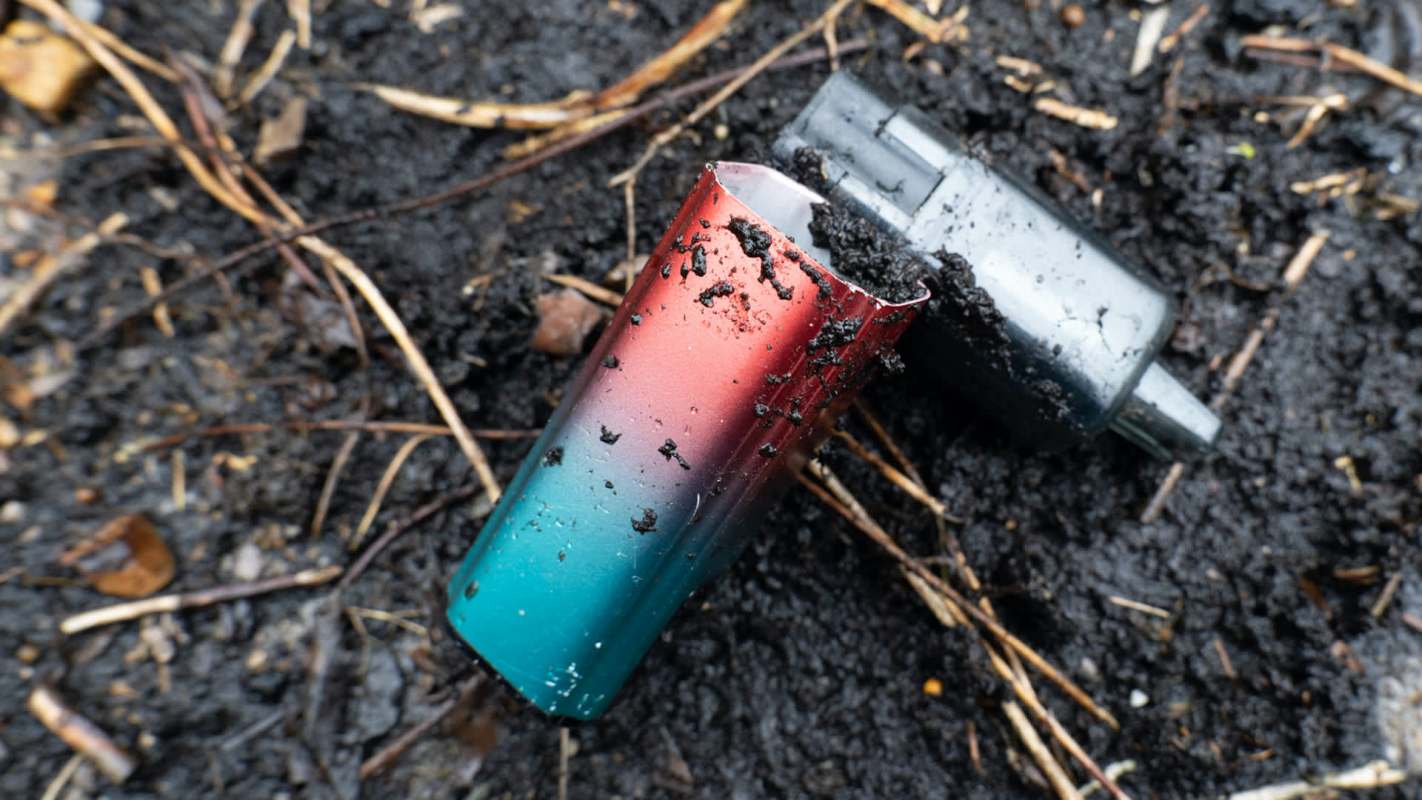
In New Zealand, a recycling facility was forced offline for nearly a year after a fire caused $2.5 million in damage.
Recycling systems save money, reduce waste, and keep communities cleaner—but only when dangerous materials stay out of the sorting line.
Here's what to know
After 11 months out of service, the Blenheim Waste Sorting Centre has resumed operations following a structurally damaging fire that officials believe was started by a lithium-ion battery from a disposable vape, according to 1News.
Marlborough District Council solid waste manager Mark Lucas said the suspected vape battery had been mixed in with cardboard and caught fire when a forklift ran over it.
"One little act of carelessness, a $30 vape, has caused $2.5 million worth of damage," Lucas said.
Recycling centers help recover aluminum, cardboard, bottles, and other reusable materials instead of sending them to landfills, reducing waste and helping local systems run more efficiently.
TCD Picks » Quince Spotlight
💡These best-sellers from Quince deliver affordable, sustainable luxury for all




To mark the reopening, Marlborough district councillor Cyril Dawson spent time on the sorting line, manually pulling out aluminum cans.
"It's [about] looking at what you've got to pick up. You are moving fast; you've definitely got to focus. That [aluminium] bin is filling up fast," Dawson said.
More background
Contamination in household recycling can turn an important public service into a serious health and safety issue for workers.
Workers had to stop the conveyor when they spotted a plastic bag filled with lettuce in the recycling.
Team leader Heather Boyd said that mistake is common, as staff regularly encounter items such as dog poo, full diapers, and sanitary items in the recycling stream. They also recently discovered a lamb carcass. Unfortunately, the team said it is not unusual to come across animal carcasses.
Lucas said sharp items were among the biggest dangers. In just six weeks, the center filled a 5.8-gallon bucket with nails, needles, EpiPens, catheter tubing, and blades.
Workers go through $80 protective gloves every week, but "needle stick" injuries can still occur, Lucas said, triggering nine to 12 months of testing because of the risk of hepatitis and HIV/AIDS.
For four months while the center was down, the region sent recycling by truck to Christchurch, costing $160,000 each month.
What's being done?
The most immediate answer was rebuilding the center to keep recyclables moving without the added expense of long-distance trucking. Curbside recycling depends on a facility that can process materials.
Still, much of the solution lies within public behaviors and patterns.
"We can't stress enough that people have got to be better. For this team up here, [the conveyor belt] is their desk in their office. If somebody came and dropped the dead lamb on your desk, it would not be acceptable," Lucas said.
Where can I learn more?
Battery-powered vapes and other misplaced items can cause serious damage when they end up in the wrong bin. These stories discuss vape waste, battery fires in waste systems, and efforts to keep dangerous products out of landfills and recycling lines.
• Across households, improperly discarded disposable vapes are piling up in landfills and sparking fires.
• In Ireland, waste operators warned that hidden household batteries can ignite and spread in seconds.
• Shoppers blasted a disposable device after touch-screen vape features added even more battery waste.

Get TCD's free newsletters for easy tips, smart advice, and a chance to earn $5,000 toward home upgrades. To see more stories like this one, change your Google preferences here.






