


Beginning this month, utility service is getting more expensive across Richmond, Virginia, with higher charges arriving on electricity, water, and sewer bills at the same time.
For many families in the Richmond area, that means paying more for basic services they cannot simply opt out of.
What's happening?
Since July 1, a new round of utility rates has been in place across metro Richmond, adding pressure to household budgets already strained by higher costs for essentials.
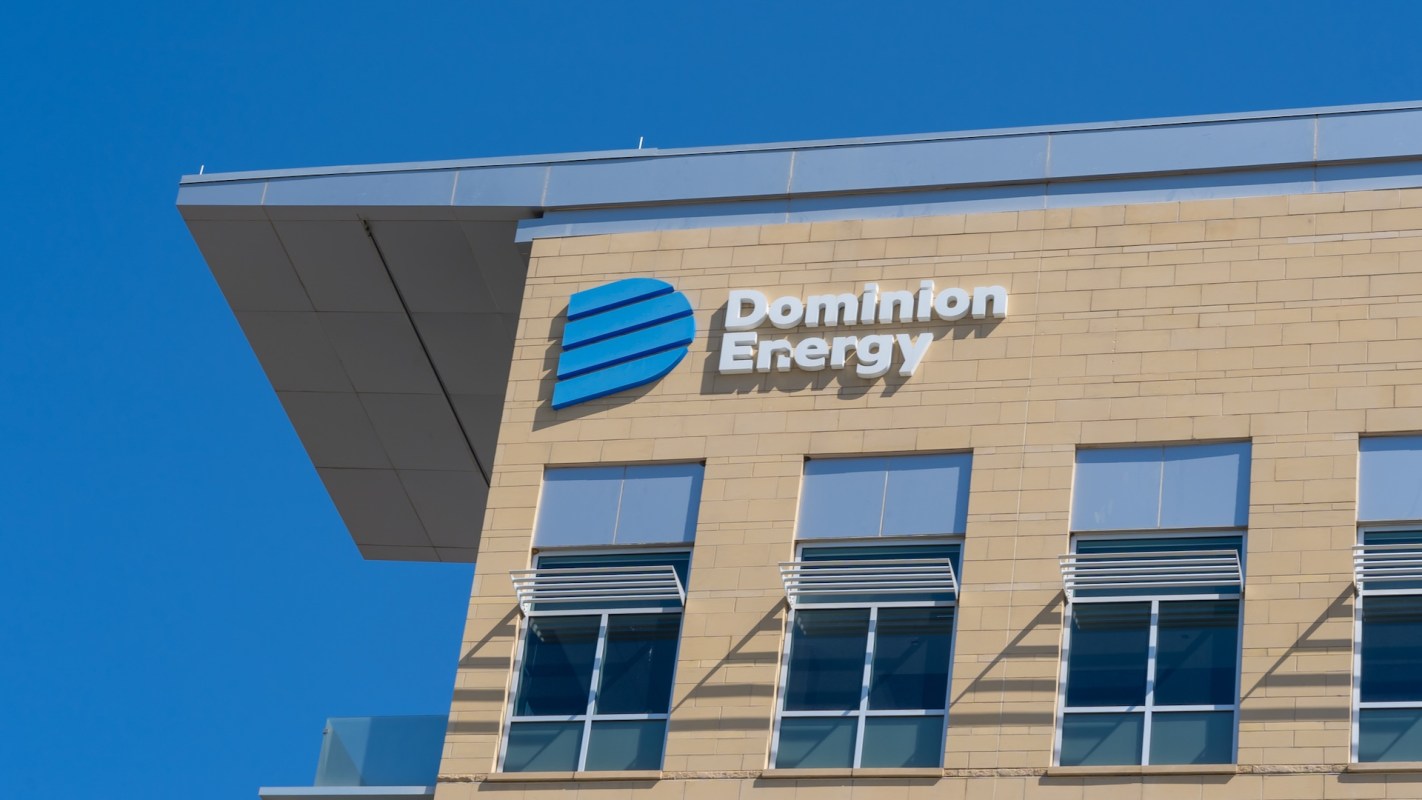
Axios Richmond reported that this week, Dominion Energy told customers the fuel charge on electric bills went up effective July 1.
For a typical home using 1,000 kilowatt-hours, the change adds about $8 to the average monthly bill. Water and sewer charges also increased July 1 under rate hikes local governments approved this spring.
Those increases were 4.2% in Chesterfield, 5% in Henrico, 6.5% in Hanover, and 6.6% in Richmond, according to Axios Richmond.
TCD Picks » Quince Spotlight
💡These best-sellers from Quince deliver affordable, sustainable luxury for all




Why does it matter?
The increases affect necessities, not optional purchases. Households still need lights, air conditioning, running water, and sewer service, especially during a Virginia summer.
The higher bills are likely to weigh most heavily on lower- and middle-income households, seniors on fixed incomes, and renters whose overall housing costs are already difficult to manage.
July is typically one of the hottest months of the year, when air conditioners run longer and electricity use climbs.
When essential service providers raise rates, residents often have no meaningful alternative.
What can I do?
Households can take steps to soften the blow.
Axios Richmond noted that Dominion also shared energy-saving advice, including setting thermostats to 78 degrees or higher in summer. Raising the thermostat a few degrees, using fans, and closing blinds during the hottest part of the day can help reduce power use.
Shorter showers, fixing leaks, running full loads in dishwashers and washing machines, and avoiding unnecessary outdoor watering may help trim water and sewer costs over time.
Reviewing past bills can help households compare seasonal patterns and spot spikes early.

Get TCD's free newsletters for easy tips, smart advice, and a chance to earn $5,000 toward home upgrades. To see more stories like this one, change your Google preferences here.






