


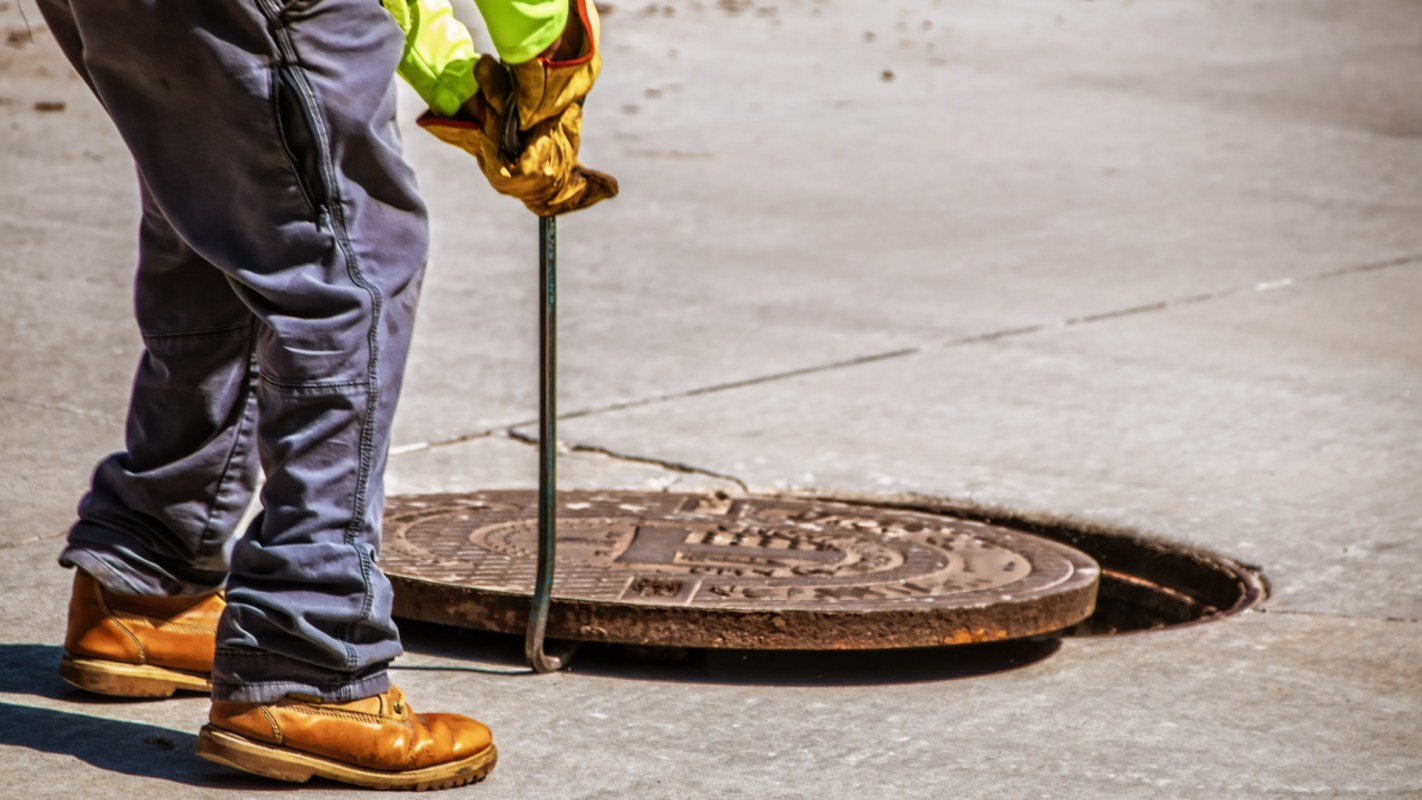
Residents of Crystal River, Florida, could soon see their steepest utility rate hikes in years.
What's happening?
City leaders are weighing a proposed five-year utility plan that could bring some of the steepest rate increases the city has seen in years, as officials look for ways to cover the cost of older infrastructure, a wastewater plant overhaul, and continued sewer expansion to neighborhoods still served by septic systems, according to Chronicle Online.
Council members plan to weigh in on a recently finished water and wastewater rate study during Monday's meeting, the outlet reported. Under the plan, water and wastewater rates would climb 10.5% during the next two fiscal years, then rise 5% annually through 2031.
The city hasn't raised utility rates since 2020, and operating costs, inflation, and the push to bring sewer service to septic-reliant areas have added pressure since then.
The capital improvement plan behind the study runs roughly $60.7 million through fiscal year 2031, with about 75% expected to come from grants and loan forgiveness, per the outlet.
Why does it matter?
Putting off repairs and upgrades tends to create bigger, pricier headaches down the road. Water and sewer systems typically cost more to fix once they've already failed, and wastewater upgrades help protect waterways and public health.
TCD Picks » Quince Spotlight
💡These best-sellers from Quince deliver affordable, sustainable luxury for all




Moving homes off septic tanks can also cut pollution risks and give a growing city sturdier wastewater management. That matters in Florida, where clean water shapes daily life and the local landscape residents depend on.
Higher bills now may be the tradeoff for avoiding a system that grows more fragile, outdated, and costly to maintain the longer upgrades wait.
What's being done?
If council gives the go-ahead, staff would fold the recommendations into a fiscal 2027 budget amendment, expected back before the council later this month. Adopting the study would help cover rising costs, keep the existing system running, fund the wastewater treatment plant overhaul, and extend sewer access to more residents.
It would also add an annual inflation-based rate adjustment tied to the Bureau of Labor Statistics Water and Sewer Index.
Crystal River's situation echoes what many towns are grappling with: finding a way to pay for the infrastructure people depend on but rarely think about. Often it comes down to a tradeoff between higher bills now or steeper costs later if the system is left to deteriorate.

Get TCD's free newsletters for easy tips, smart advice, and a chance to earn $5,000 toward home upgrades. To see more stories like this one, change your Google preferences here.






