


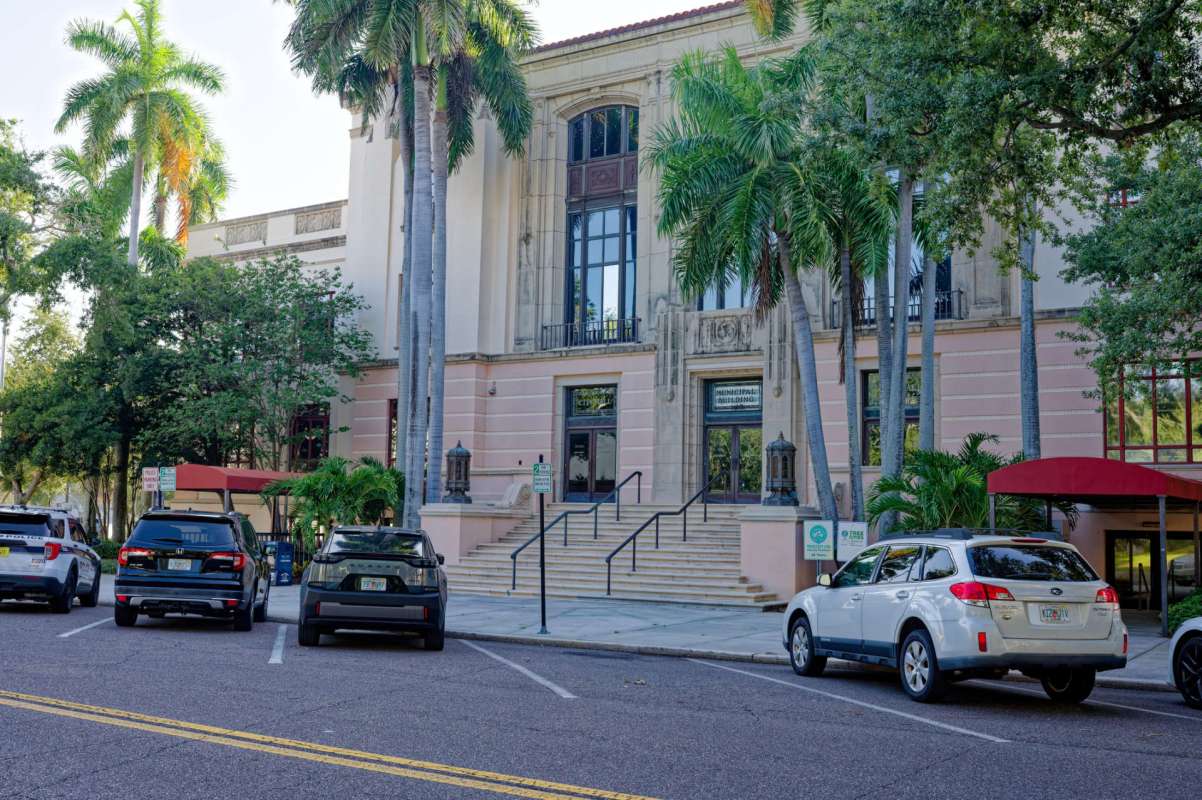
A proposed utility rate hike in St. Petersburg, Florida, is moving closer to reality, raising new concerns for residents already stretched thin by housing, food, and other rising household costs.
City officials say they need more revenue to replace outdated infrastructure, and under the proposal, many customers would see their total utility bills climb about 7%, roughly $8 to $10 a month for a typical single-family home.
Here's what to know
WFLA reported that council members have approved the proposal for its first hearing. The plan applies to water, wastewater, reclaimed water, sanitation, and stormwater fees, and it is scheduled to return for a final public hearing and vote on August 27.
Under the current timeline, any approved increase would begin October 1. City leaders have said the extra revenue would be used to modernize older utility systems and reduce costly emergency repairs.
"I think people are having a hard enough time just making it as it is now. And every time the rates go up, that means there's less money in their pocket to do other things that they need to do to take care of families," resident Sundra Caldwell said.
More background
At the council meeting, some residents urged city leaders to revisit how utility funds are handled before asking households to pay more.
TCD Picks » Quince Spotlight
💡These best-sellers from Quince deliver affordable, sustainable luxury for all




One woman who called into the meeting said, "I'm asking council again to consider even just temporarily reducing or eliminating those transfers so more money residents pay right now stays with the utility."
Water and stormwater systems are essential to public health and protecting neighborhoods and local ecosystems, but communities often debate the costs only after infrastructure has aged and become more expensive to repair.
Council members also disagreed on whether property taxes could offer a fairer solution.
Council member Richie Floyd said, "I think a lot of people in this city want to see us put more burden on, you know, development."
Some council members said shifting the burden elsewhere would not necessarily spare tenants.
Council member Mike Harting argued that property owners could respond by increasing rent, saying, "He'll pay it, but he'll raise my rent in order to pay it."
What's being done?
The proposal is still moving through the city's approval process. The next major step is the August 27 hearing, when residents will have another chance to weigh in before the final vote.
Givens, who voted against the measure, said it may make more sense to wait for the outcome of a November property tax reduction vote before deciding how to fund the upgrades.
"That can determine whether or not we have the resources, the property taxes, to pay for these upgrades. So I feel like putting the cart before the horse is not wise," Givens said.
As the final vote approaches, the dispute is centering on who should bear the cost of keeping essential systems running.

Get TCD's free newsletters for easy tips, smart advice, and a chance to earn $5,000 toward home upgrades. To see more stories like this one, change your Google preferences here.







