


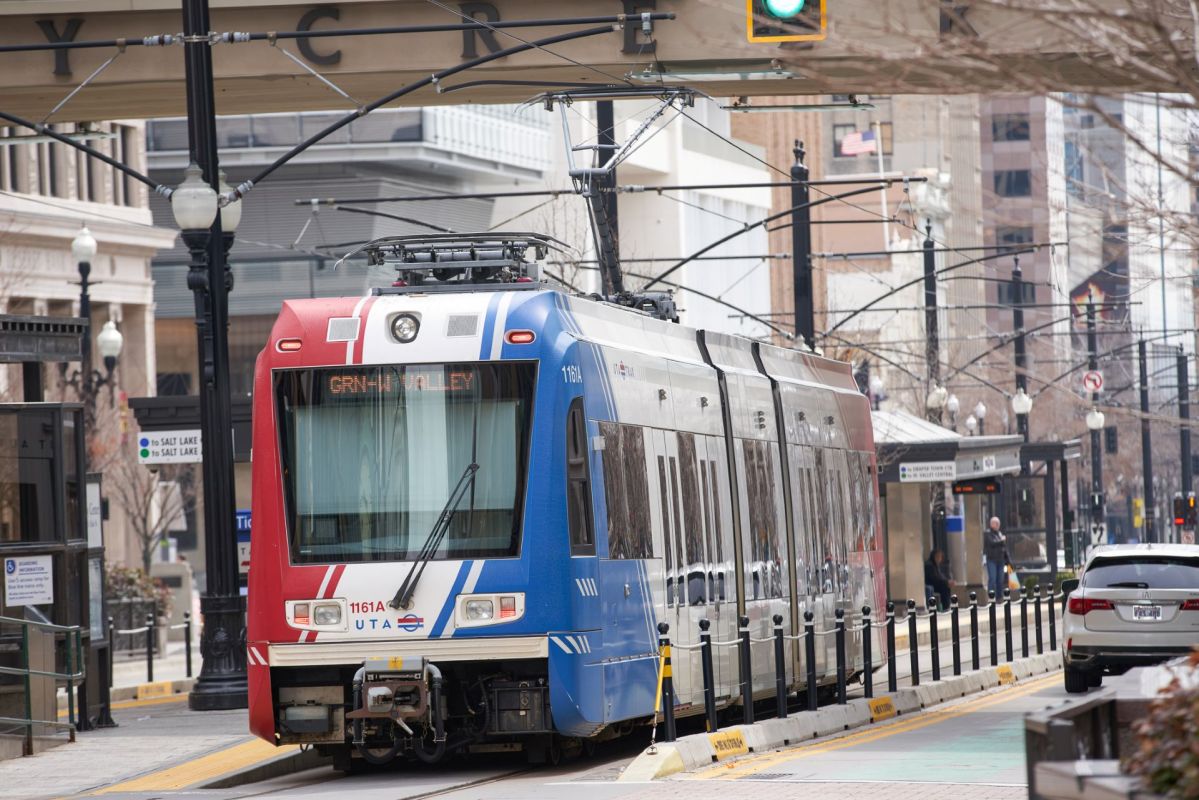
Utah transit riders could soon be asked to pay some of the highest base fares in the country simply to keep current service running.
That possibility is drawing renewed attention to whether public transportation in Salt Lake City will remain an affordable lifeline for the people who rely on it most.
Here's what to know
A video report from The Salt Lake Tribune's TikTok account (@sltrib) detailed how the Utah Transit Authority is weighing its first fare increase since 2013.
@sltrib UTA, which operates transit along the Wasatch Front, plans to raise fares for the first time since 2013. The hike would make Utah's public transportation among the most expensive in the country. In fact, of 163 transit agencies surveyed in 2025 by the American Public Transportation Association, UTA's proposed $3 fares would be tied for the highest. The agency is currently soliciting feedback on the proposal, which would boost base fares from $2.50 to $3 as early as spring 2027, UTA public information officer Gavin Gustafson said. Utahns can submit comments on the potential increase until Sept. 9. UTA will also hold a virtual public hearing on the proposal Aug. 26 at 5:30 p.m. "The proposed base fare adjustment reflects the rising cost of providing transit service and the need to maintain the system for the long term," Gustafson said. "The cost of operating, maintaining and expanding transit — and everything else in life, it seems — has certainly gone up." 🔗 Learn more through the link in our profile.
♬ original sound - The Salt Lake Tribune
The plan would raise base fares on buses, TRAX, and FrontRunner from $2.50 to $3, while express and ski bus fares would go to $6. The Tribune noted that Gavin Gustafson, UTA's public information officer, said the higher fares could start as early as spring 2027 if the proposal is approved.
The video said a $3 base fare would leave UTA tied for the highest in a 2025 American Public Transportation Association survey of 163 transit agencies alongside Seattle and San Francisco.
Because of the higher fares, a person who rides every day could pay about $20 more each month.
TCD Picks » Quince Spotlight
💡These best-sellers from Quince deliver affordable, sustainable luxury for all




More background
UTA says the increase is tied to inflation and rising operating costs, and that the money would go toward sustaining current service rather than adding more.
"The proposed base fare adjustment reflects the rising cost of providing transit service and the need to maintain the system for the long term," Gustafson said, per the Tribune. "The cost of operating, maintaining and expanding transit — and everything else in life, it seems — has certainly gone up."
Transit advocates cited in the video say service has worsened since the pandemic, which could leave riders paying more even as they get less.
Many commenters centered their criticism on whether the system offers enough service to justify a higher fare.
"It's dumb to pay as much as those larger cities when UTA doesn't provide half the services or accessibility," a user argued.
"The stopped bus passes this year, which raised my monthly cost a lot," another rider said. "They also stopped allowing cash payments for reduced fare. Poor people need the bus, and they're making it inaccessible for us."
Reliable, affordable transit can help reduce traffic, cut pollution, and connect more people to jobs, school, and health care without requiring car ownership. But if prices get out of reach, it can cut out some of the more vulnerable residents.
What can be done?
UTA is accepting feedback online, by email, phone, and mail. If UTA moves forward with the increase, many riders appear to want something in return.
That would be better frequency, broader coverage, stronger reliability, and service that feels worth the added cost. Commenters agreed they'd accept the increase if it translated into system-wide improvements.
One commenter summed up that tradeoff directly: "If you update bus routes and make it more accessible and go more places and every 15 minutes I would be OK with paying an extra $.50."
Where can I learn more?
Salt Lake City's fare debate reflects a broader question facing transit systems of how to keep rides affordable while still offering service people can count on. In other places, riders have pushed back on fare hikes, embraced cheaper passes, and called out access problems that make transit harder to use.
• In New York City, riders said the subway fare increase was becoming harder to absorb.
• Across Germany, millions embraced a low-cost transit ticket that made trains and metros cheaper.
• In Los Angeles, the E Line showed how rail access gaps can undercut ridership.
Each points to the same tension: price, service, and access all affect whether transit feels practical or out of reach. That's the same question hanging over UTA's proposal.

Get TCD's free newsletters for easy tips, smart advice, and a chance to earn $5,000 toward home upgrades. To see more stories like this one, change your Google preferences here.






