


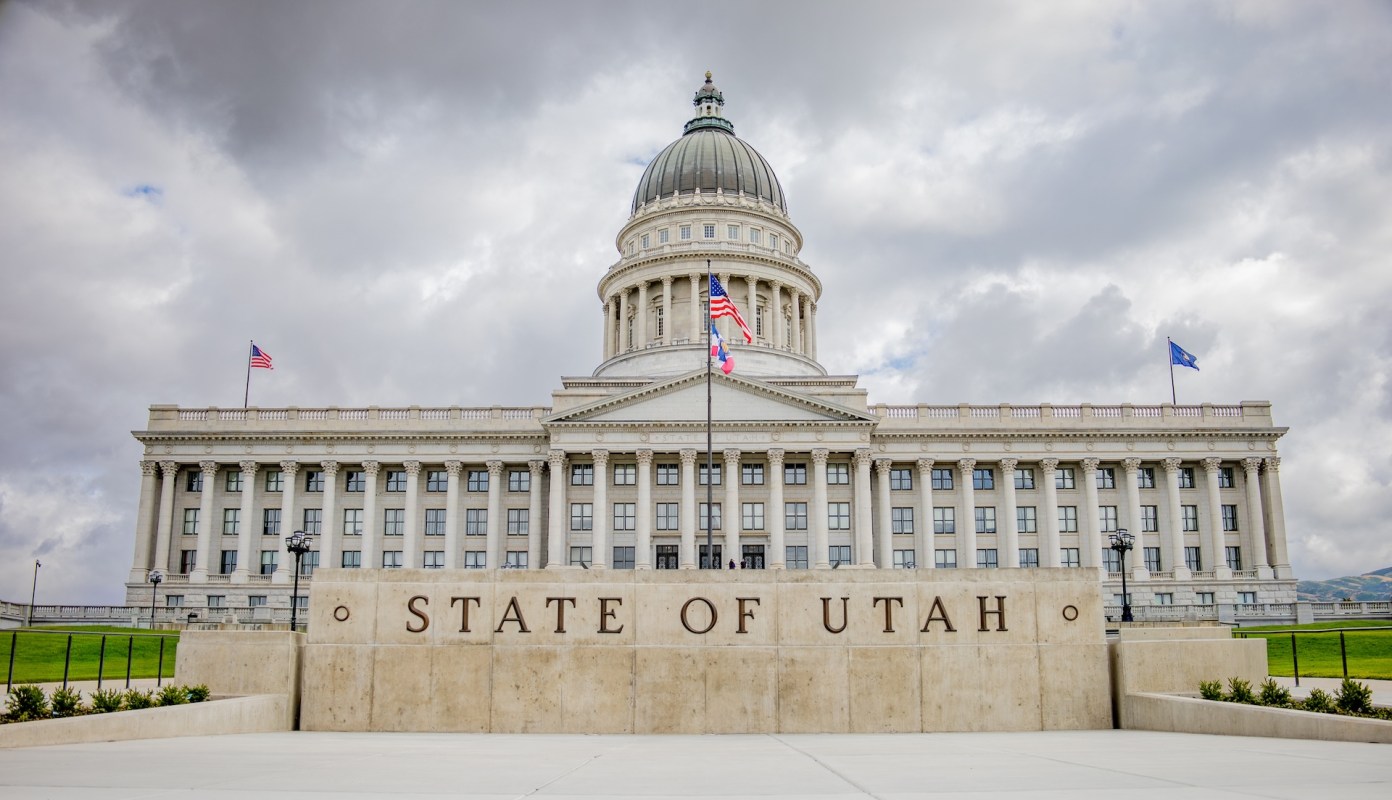
Utah voters will decide Nov. 3 whether to approve Amendment B, a proposed constitutional change that would require a 60% supermajority for ballot initiatives that raise taxes.
A campaign opposing the measure is warning that Utahns might not have expanded Medicaid or legalized medical marijuana if that rule had been in place.
Opponents say the proposal could make it far harder for voters to pass future citizen-led changes that affect everyday life.
Here's what to know
Utahns Protecting Our Constitution, a political issues committee, kicked off its effort against Amendment B on Monday and is asking voters to reject the constitutional measure on the ballot.
The proposal would change the rules for some citizen initiatives. As Utah News Dispatch reported, measures that create a tax, expand or increase an existing tax, or result in a smaller property tax rate decrease than the law allows would need 60% support instead of a majority.
That higher threshold would have affected some of Utah's recent voter-approved initiatives. Full Medicaid expansion passed in 2018 with 53.3% support and medical marijuana with 52.7%, and both depended on new tax revenue.
TCD Picks » Quince Spotlight
💡These best-sellers from Quince deliver affordable, sustainable luxury for all




In a statement, Sen. Lincoln Fillmore and Rep. Jason Kyle said Amendment B "protects the initiative process while recognizing a simple principle: If you want to raise your neighbors' taxes, you should have broad support from your neighbors," according to Utah News Dispatch.
Supporters, including the Utah Taxpayers Association, say the proposal is intended to protect taxpayers.
Opponents argue the amendment would weaken one of the public's most important checks on lawmakers.
"The initiative process belongs to the people of Utah, not to the politicians it was designed to check. Amendment B changes that balance, making it harder for Utah voters to exercise that power," Elizabeth Rasmussen, executive director of Utahns Protecting Our Constitution, said, per Utah News Dispatch.
More background
Critics say the 60% requirement would narrow the path for citizen initiatives, particularly proposals that need money behind them to function. They argue future voter-led efforts involving new revenue, whether for public services or other reforms, could be much harder to pass.
Rasmussen said the proposal could lead to a lasting shift in power.
"Amendment B makes an unnecessary, permanent change to our Constitution, taking power away from citizens and giving politicians more control over the rules," she said, as Utah News Dispatch noted.
A Noble Predictive Insights survey of 602 registered voters taken Sept. 8-12 found that roughly half supported Amendment B, while 21% opposed it and 23% were unsure.
What's being done?
Utahns Protecting Our Constitution is trying to close that gap with a voter outreach campaign.
The group plans to spread its "Vote no" message through TV ads, mail, canvassing, digital outreach, and a website.
Campaign finance disclosures showed the group had collected about $593,000 in contributions as of September.
Where can I learn more?
These articles examine other controversial legislative efforts.
• Florida lawmakers took an unexpected stand against building golf courses in state parks.
• Georgia lawmakers considered a controversial bill that could drastically limit some PFAS lawsuits.
• In Michigan, a bipartisan push for new carbon-capture laws sparked controversy over local protections.

Get TCD's free newsletters for easy tips, smart advice, and a chance to earn $5,000 toward home upgrades. To see more stories like this one, change your Google preferences here.






