


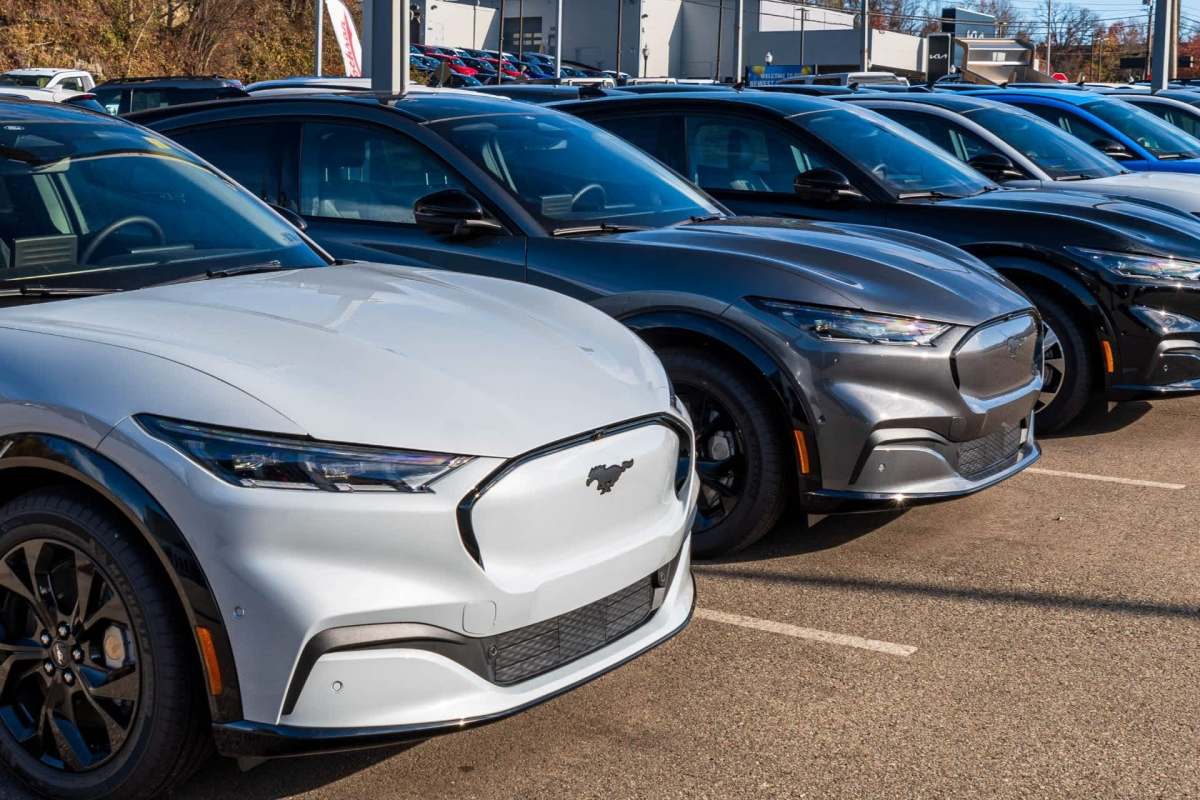
A Reddit thread about used electric vehicles sparked a debate over timing.
The original poster said on r/electricvehicles that they paid $35,000 for a Kia EV9 while a family member had spent $30,000 on a Jeep. They wondered whether 2026 may prove to be a particularly favorable moment for EV buyers.
Here's what to know
In a post that spurred 1,100 comments, the OP wrote that the EV9 felt "very expensive" but argued that it should still cost far less to own over the next decade than the Jeep.
They compared the situation to the housing market in 2020, when homeowners were locking in 3% mortgages.
"I genuinely believe in five years people will wonder why everyone didn't buy a used EV in 2026," they wrote. "It will be just like mortgages in 2020 — why didn't everyone refinance? Because the timing wasn't right, they wanted to see if they got cheaper, there's no way they'll go up, etc."
They pointed to demand, inflation, and supply-chain pressures as reasons new EVs could become pricier.
TCD Picks » Quince Spotlight
💡These best-sellers from Quince deliver affordable, sustainable luxury for all




Support for that idea showed up in the replies, though a self-aware user attached a wink and a nod.
"Buying an EV in 2026 is absolutely the best decision and will look like a genius move in the next five years," they declared. "Signed: a guy who also bought an EV in 2026 and has aspirations of looking like a genius."
Another commenter, citing lower operating costs, said, "People are massively sleeping on the used EV market right now."
Not everyone agreed, though, with some arguing that the best deals may have already passed.
"You actually missed the window," one person wrote. "Used EVs were cheaper two years ago and have been creeping up in price."
More background
One EV owner described still being happy with the switch even after costs rose. They said they have had an EV since 2021 and watched their electricity rate increase from 14 cents per kilowatt-hour to 30 cents per kilowatt-hour, adding, "I've enjoyed owning my EV nonetheless."
Other commenters said the OP's premise had a couple of flaws. Some said EVs were likely to continue to get cheaper, and one commenter pointed to a major shift that might affect costs.
"You could be right, but obviously it will come down to production," they wrote. "Also, if Democrats completely take over, I can see them lifting a bunch of tariffs and reinstating EV credits (VOTE IN THE MIDTERMS, EVERYONE). Not only that, we might live to see a day where we can buy Chinese EVs in the United States if the two countries can make some sort of deal."
What can be done?
Users' housing situations emerged as one practical dividing line. One said apartment living was a valid reason to hesitate, writing, "If you live in an apartment, I can completely understand why you wouldn't be interested in an EV."
The same commenter argued that charging flexibility can change the equation for homeowners. DIY solar panels had kept them from charging from the grid for eight months, and they concluded that "for $3k or less, you can create your own 'gas station.'"
Resale value shifts were also part of the discussion. Another person tracking resale values said offers for their Ford F-150 Lightning rose from $32,000 in July to $39,000, a reminder that both buyers and sellers are watching this market closely.
Where can I learn more?
The question of whether to buy now or wait comes down to the same factors driving EV prices and ownership costs.
• Ownership math still favors many drivers when electric cars cost less than gas models.
• Over years of driving, maintaining an EV often stays cheaper than servicing comparable gas cars.

Get TCD's free newsletters for easy tips, smart advice, and a chance to earn $5,000 toward home upgrades. To see more stories like this one, change your Google preferences here.






