


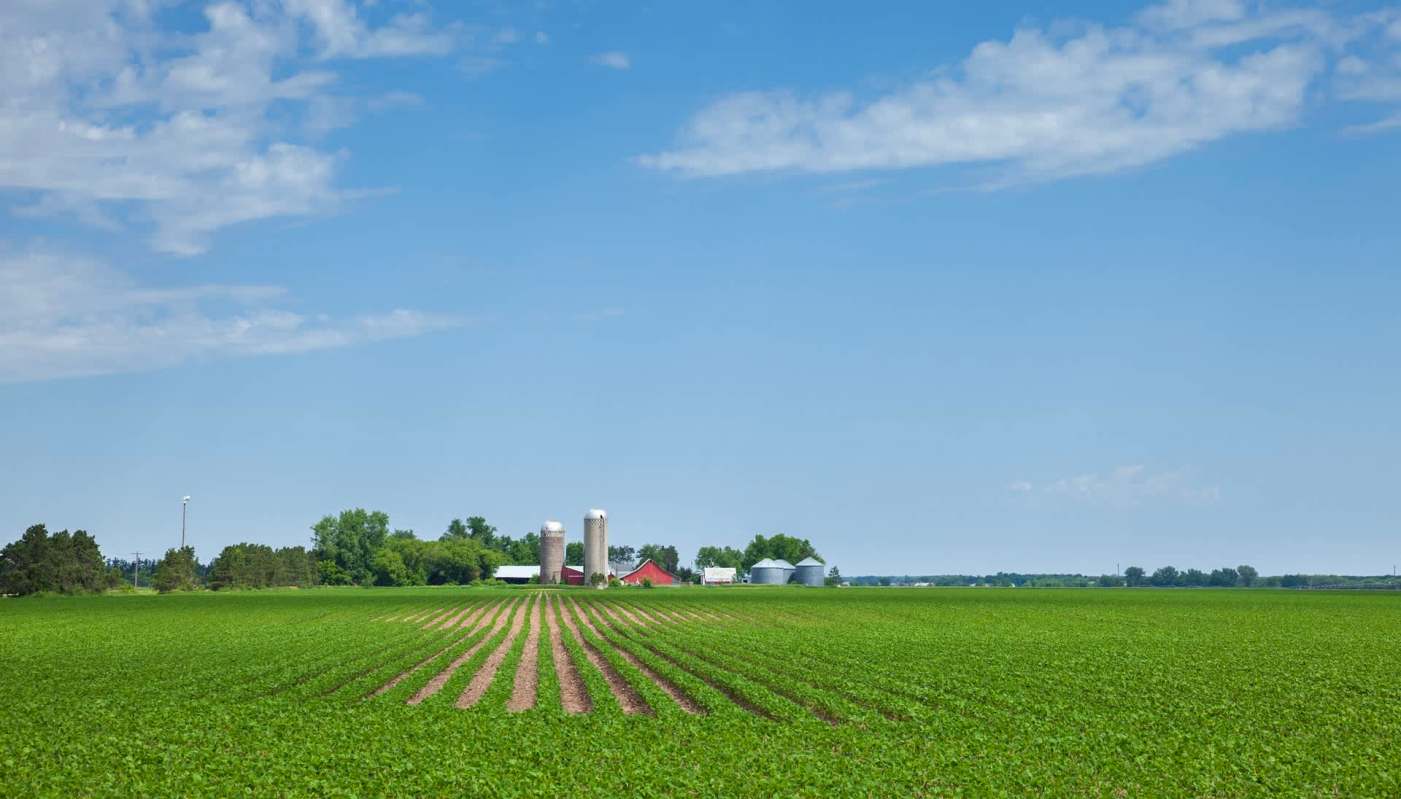
Farmers and rural business owners looking for federal help with energy upgrades could face higher upfront costs and smaller grants under a new U.S. Department of Agriculture rule.
Here's what to know
Twenty organizations from across Appalachia wrote a letter in which they outlined their opposition to changes to the Rural Energy for America Program, according to an Oct. 30 news release published by Appalachian Voices.
REAP funding also covers renewable energy installations and energy-efficiency upgrades for farms and small businesses in rural communities.
The rule, titled Unleashing American Energy and Economic Prosperity, would cut the maximum grant share to 25% of a project's cost, down from 50%. Small rural businesses would no longer be allowed to install ground-mounted solar systems under the proposal.
Eligibility to compete for a grant would come only after applicants covered their projects' costs upfront and operated them for a minimum of one year.
The new rule officially took effect Oct. 16, but with a planned comment period through Nov. 2. As of publication, there has not yet been any indication of changes or a timeline for considering the feedback from the comment period.
TCD Picks » Quince Spotlight
💡These best-sellers from Quince deliver affordable, sustainable luxury for all




More background
Both parties backed REAP when Congress folded it into the 2008 Farm Bill, the coalition's letter noted.
For rural operations trying to manage energy expenses, REAP can help cover the cost of insulation, HVAC upgrades, and clean energy installations.
Solar projects have historically accounted for 70% of REAP funding. Lower electricity bills, grid stability, and a steadier bottom line are benefits farmers gain from panels they often place on land unsuitable for crops.
Even a system built at a factory in the United States could be disqualified over a single component made in a country designated as a foreign adversary. That possibility prompted the coalition's concerns about the proposed restriction on components from those nations.
What's being done?
The experience of farmers and small businesses using REAP should guide the USDA's revisions to the rule, the Appalachian coalition argued.
Signatories included ReImagine Appalachia, Solar United Neighbors, Pasa Sustainable Agriculture, Rural Action, and the West Virginia Environmental Council.
Farmers should retain control over their systems' sourcing, installation, and size to meet their operations' needs, the letter stated. As an alternative to component restrictions, the groups proposed using REAP benefits to encourage the purchase of renewable energy equipment made in the United States.
A separate objection came from Congress, as 19 U.S. senators penned their own letter that contended the proposed changes would undermine REAP's purpose.
Dana Kuhnline, program director at ReImagine Appalachia, said the USDA finalized the rule before public comments could be submitted.
"The rule changes imply that farmers can't make sensible business decisions about how much solar they want and where on their own land to place it," Kuhnline said. "Historically, the USDA has been a reliable partner to farmers and rural communities. However, USDA issued this rule as final before a public comment period opened, and implemented changes that make the REAP program much more burdensome and risky.
"Stakeholder input is key to the effectiveness of federal programs; the USDA should make revisions to this rule that reflect the knowledge and wisdom of the farmers and small businesses that make use of the program."
Where can I learn more?
REAP is one way government policy shapes what farmers spend and earn.
• Virginia cattle farmers warned that President Donald Trump's tariff-free beef import plan could crush family farms.
• Fresno County farmers pressed for tariff-free trade, warning trade disputes could raise produce prices.
• Australian farmers who spent $1 million during drought called wind and solar income life-changing.
• A Kansas rancher said 50 wind turbines supplied half his income, helping preserve family ownership.
• Maryland's Cecil County weighed 21 solar projects on farmland, saying bonds protect taxpayers.

Get TCD's free newsletters for easy tips, smart advice, and a chance to earn $5,000 toward home upgrades. To see more stories like this one, change your Google preferences here.






