


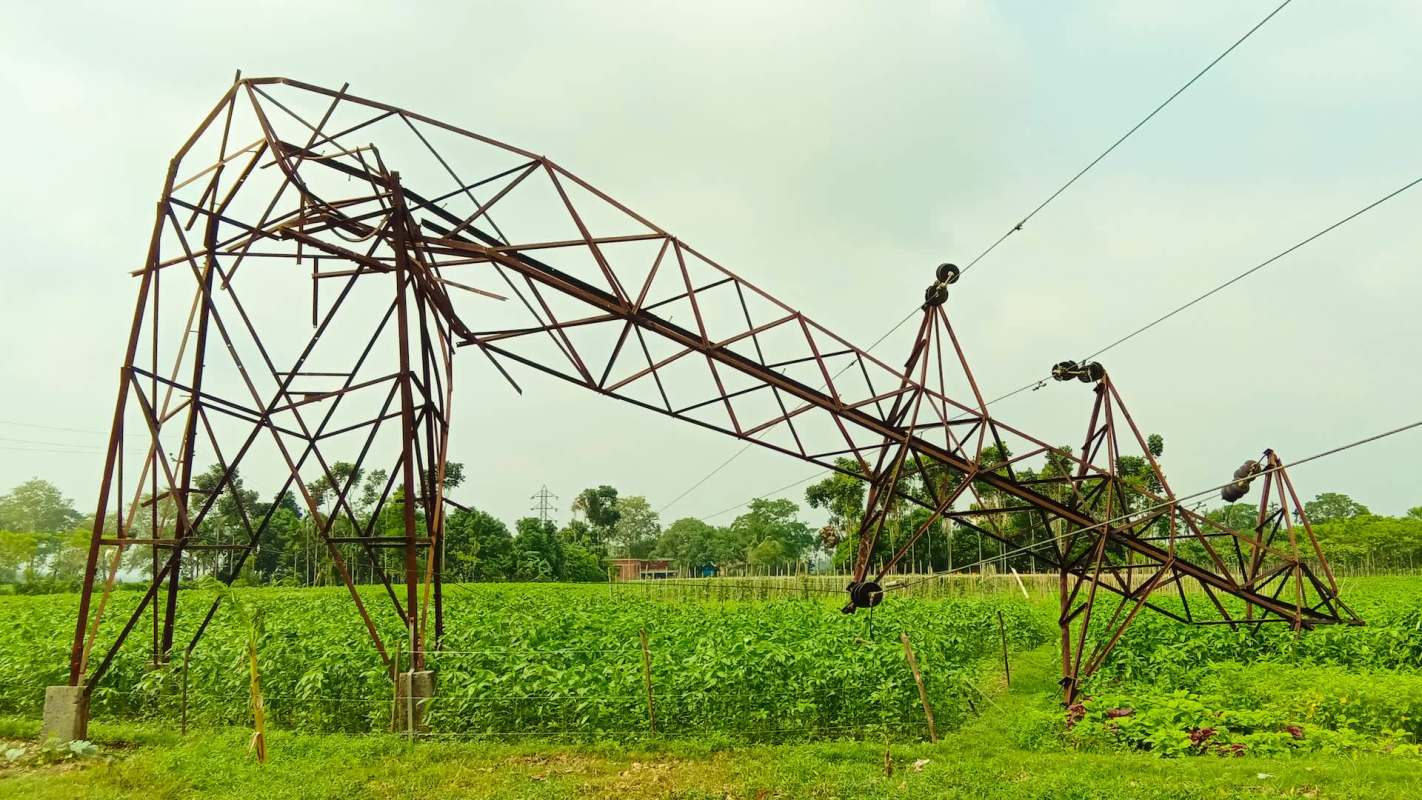
As extreme weather events grow more severe, scientists are considering creating new categories to classify these more powerful storms.
For example, calls have grown louder to create a new "Category 6" designation for hurricanes as wind speeds strain a rating system devised more than 50 years ago.
Here's what to know
The Category 6 discussion intensified after Hurricane Melissa, which made landfall in Jamaica on Oct. 28, 2025, as a Category 5. However, with sustained winds of 185 mph, Hurricane Melissa far exceeded the threshold for a Category 5.
Michael Levy, the U.S. utilities lead at management consulting firm Baringa, and Sarah Pearl, a senior consultant at Baringa, raised the issue in a recent piece appearing in Utility Dive.
While acknowledging the reasoning behind establishing a new Category 6 for the most powerful hurricanes, the two consultants wrote that the real issue for utility companies is less the label and more the damage these storms inflict on poles, wires, substations, and the customers who depend on them.
Because hurricane categories reflect wind speed alone, they leave out other drivers of destruction such as rainfall, storm surge, size, and speed.
TCD Picks » Quince Spotlight
💡These best-sellers from Quince deliver affordable, sustainable luxury for all




The history of Superstorm Sandy underscores the point. When it made landfall in October 2012, Sandy was a Category 3, but its immense footprint, flooding, and surge still helped make it one of the costliest natural disasters ever recorded in the United States.
Others argue that creating a Category 6 could still have significant benefits.
Patrick A. Harr, hurricane expert and fellow of the American Meteorological Society, said a "Category 6 rating for hurricane intensity can serve as a communication strategy to alert the public and policymakers that their past actions are likely inadequate responses to future storms," according to Utility Dive.
More background
In Levy and Pearl's view, a storm's category tells only part of the story. When it comes to utility companies responding to hurricanes and other extreme weather, the condition of assets, local terrain, system design, and the difficulty of restoring service all influence how severe disruptions become and how long outages last.
Making matters even more challenging, a changing climate makes it unclear what utilities should expect when preparing their grids for the future.
Levy and Pearl contend that using past storm records as the main guide for investment decisions is increasingly risky. As climate patterns shift, maps based on earlier weather behavior may no longer show where the next major threat is most likely to strike.
What can be done?
The authors urge utilities to base their planning on future risk rather than past storm patterns. In practice, that means using climate projections over the full service life of grid assets instead of presuming future storms will look like previous ones.
They also argue for evaluating different risks with a single economic yardstick so utilities can better weigh reliability, resilience, and capacity spending. The goal should be to deploy resilience funding where it prevents the greatest customer harm.
The authors say utilities should measure resilience during major disruptions rather than only in routine "blue-sky" conditions, with utilities judging success or failure based on outcomes such as fewer outages and faster restoration.
Another tool is counterfactual analysis — comparing real outcomes with the scenario likely to have unfolded without a resilience investment. That can help show whether upgrades prevented larger failures, which can guide smarter decisions as storms continue to evolve.
Where can I learn more?
The challenges described by the utility consultants are increasingly showing up across the power sector in different ways. These stories look at how utilities are dealing with aging transmission systems, microgrids, and battery storage as storms, heat, and supply stress push infrastructure past what it was built to handle.
• Across the U.S., failures in the aging power grid are extending outages through increasingly erratic storm seasons.
• U.S. planners face more capacity and investment needs than earlier grid-transition assumptions forecasted.
• Utilities are leaning on residential microgrids and renewables to absorb demand spikes during extreme weather.
• At PJM, sweeping changes coming to the grid have drawn warnings about project delays.
• In New York City, its largest battery system is coming online as summer grid stress intensifies.

Get TCD's free newsletters for easy tips, smart advice, and a chance to earn $5,000 toward home upgrades. To see more stories like this one, change your Google preferences here.






