


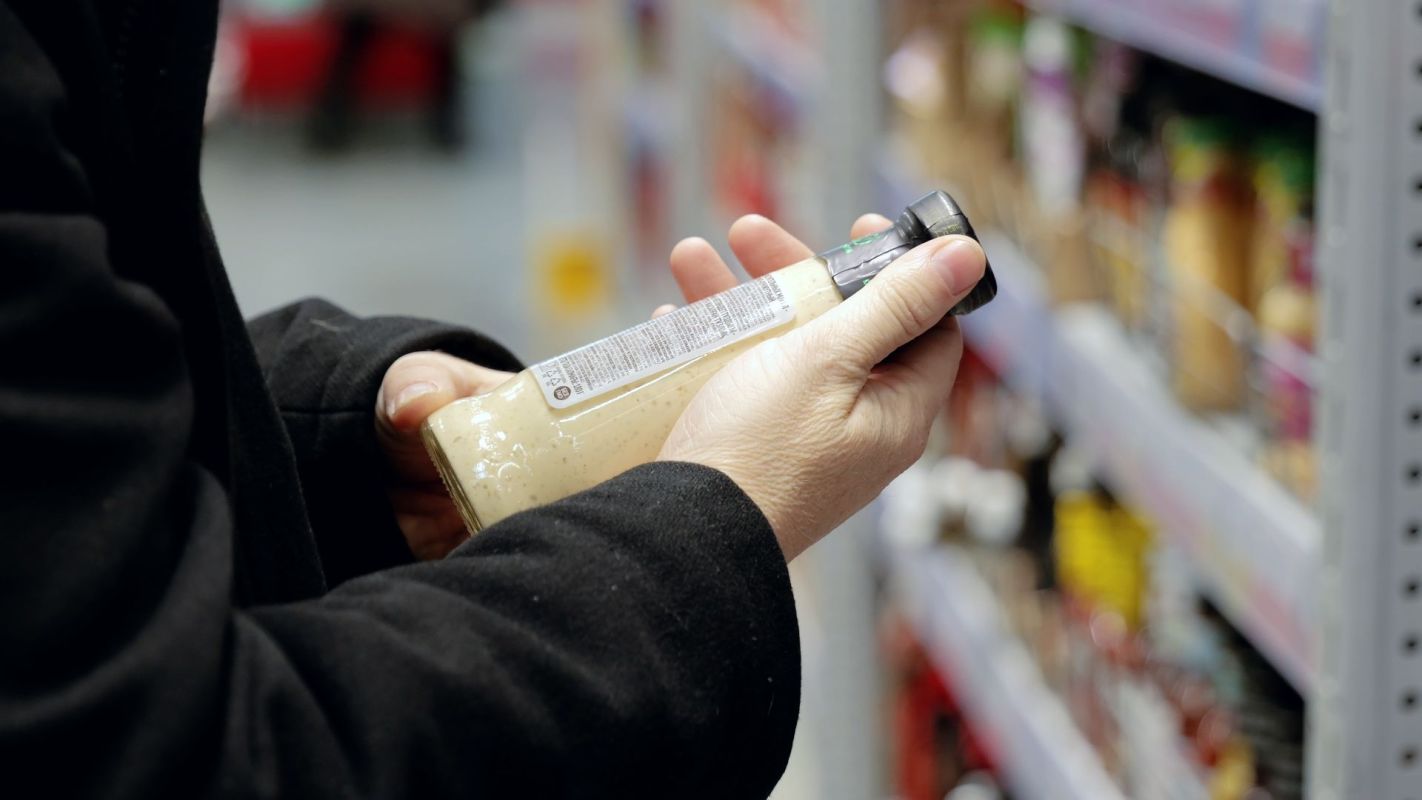
A subtle change in shopper behavior is starting to matter beyond grocery store shelves.
According to a new report, U.S. consumers are choosing products made with sugar instead of high-fructose corn syrup. But that rise in interest is not turning into a straightforward gain for American sugar producers.
One reason is that low-priced sugar from the world market continues to squeeze U.S. growers.
Here's what to know
According to Brownfield, economist Tanner Ehmke said the move away from high-fructose corn syrup and toward sugar is becoming more noticeable.
"It is a clear trend that people are switching away from high fructose corn syrup over to sugar," Ehmke told Brownfield.
That shift is not expected to meaningfully change the outlook for corn producers. In the U.S., corn use is still dominated by feed, ethanol, and export demand rather than food manufacturing.
TCD Picks » Quince Spotlight
💡These best-sellers from Quince deliver affordable, sustainable luxury for all




"It's mostly going to be feed, ethanol, and exports; industrial food usage is pretty small," he said. "That's not really going to move the needle for U.S. corn consumption."
So even as sugar appears to be gaining favor with consumers, U.S. sugar producers are not automatically capturing that upside.
A major reason is price: sugar available on global markets is cheap enough to blunt the intended support of U.S. tariffs, leaving domestic producers with little advantage from stronger consumer demand.
More background
The core problem for U.S. sugar producers is the price competition created by imported sugar, not a lack of demand. Although tariffs are meant to protect domestic suppliers from cheaper foreign competition, Ehmke said those measures are falling short in the current market.
"It doesn't have the economic impact that was initially intended, and so Congress is going to have to come back around and revisit this and change the tariff if they want it to be effective as it was intended," he told Brownfield.
Looking further ahead, Ehmke said sugar may also be hurt by the wider adoption of GLP-1 drugs. If those medications continue to curb appetites, consumers could end up buying less food overall, reducing the size of grocery carts across categories.
What can be done?
At the policy level, the issue may ultimately come down to whether lawmakers decide to revisit sugar tariff rules. If cheap imports continue to dominate the market, domestic producers could keep losing out even as consumers buy more sugar-based products.
As appetite-suppressing drugs alter grocery habits, both farmers and food companies may also need to prepare for a market in which people simply buy less.

Get TCD's free newsletters for easy tips, smart advice, and a chance to earn $5,000 toward home upgrades. To see more stories like this one, change your Google preferences here.






