


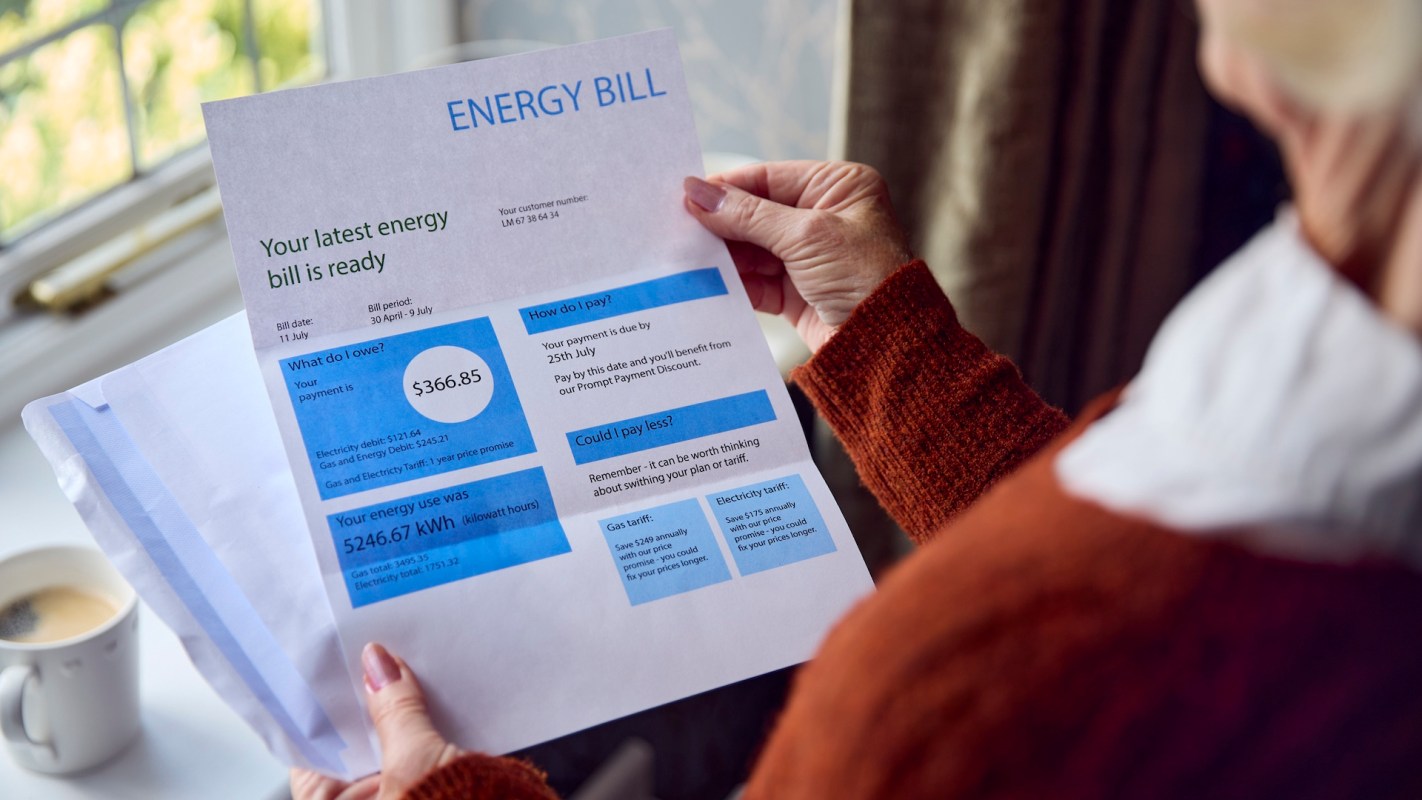
Americans' electric bills are becoming more than a routine household frustration. As costs continue to rise, energy affordability is increasingly becoming a political flashpoint, with utilities and growing electricity demand from data centers fueling public anger.
In discussing that problem, PowerLines founder and executive director Charles Hua highlighted an often-overlooked part of the debate. Latitude Media reported that a relatively small group of state regulators often decides whether customers will pay for major utility spending plans.
Here's what to know
Utilities requested an unprecedented $31 billion in rate increases, while PowerLines' latest research projects utility capital spending of $1.4 trillion by 2030. Hua argued that the forces pushing electricity bills higher were already in motion before data centers became a major focus.
Around 200 regulators across the country review tens of billions of dollars in utility expenditures. Governors may absorb much of the public backlash over rising bills, but state regulators often determine how much of a utility's spending ends up in customers' monthly charges.
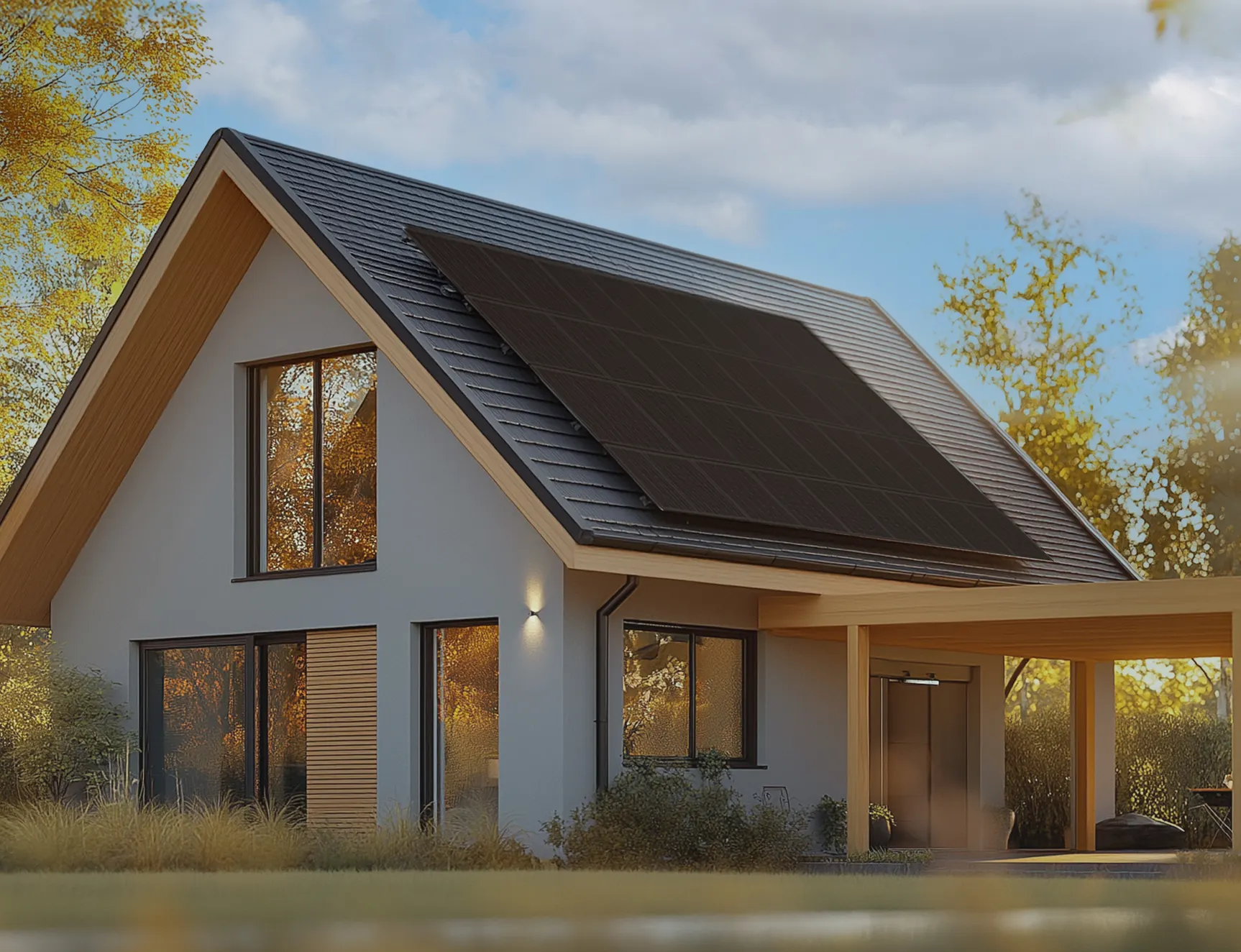
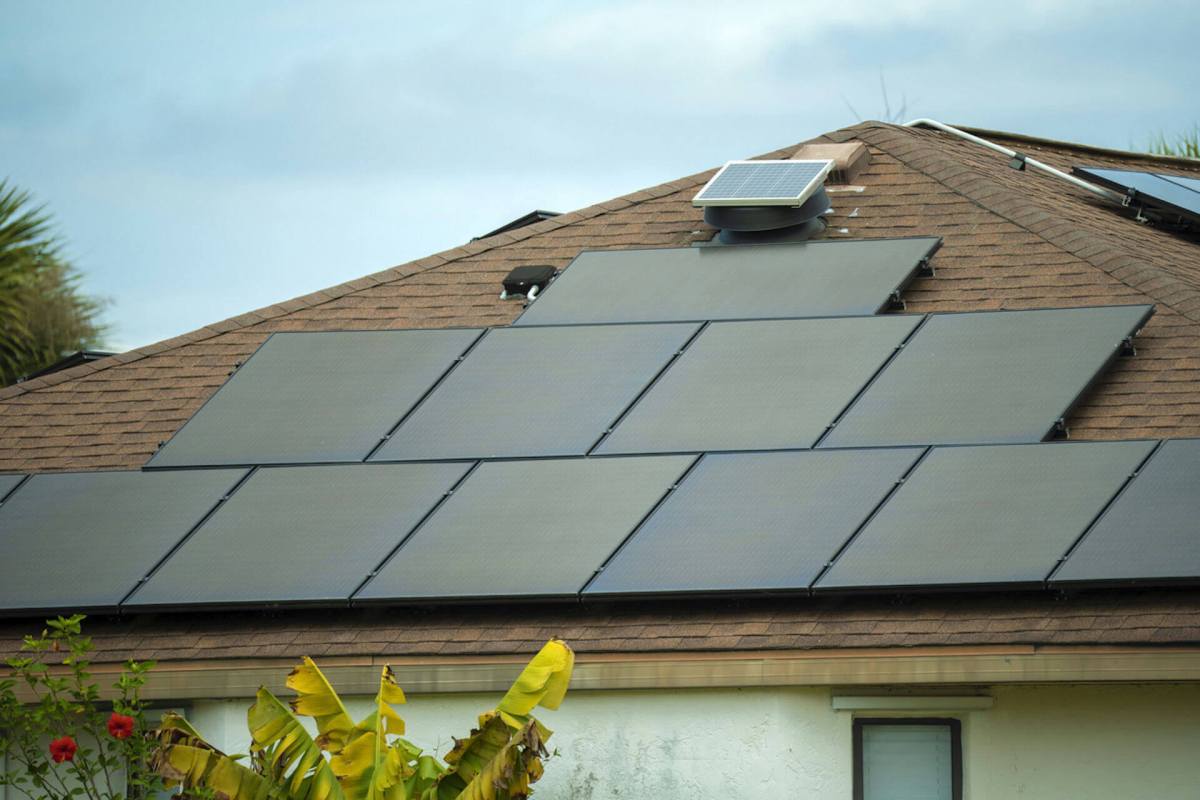
For homeowners, going solar is one of the best ways to save money on home energy. You can explore EnergySage to get free solar installation estimates and compare quotes.
Data centers are also having a real impact, even if they are not the original cause of rising bills. Regulators are being pushed to promote economic development while also handling huge utility spending proposals, forcing states to consider how to add new demand without passing too much of the cost to ordinary residents.
More background
Electricity is not an optional expense. When bills rise, many families have little room to cut back, and the increases can be especially painful in places where air conditioning, electric heating, or long commutes already strain household budgets.
The politics are intensifying in part because utilities are typically monopoly providers. Customers usually cannot shop around if they think a company is overspending, which makes regulatory oversight one of the few protections households have when utilities propose large infrastructure buildouts and then seek approval to recover those costs through rates.
Save $10,000 on solar panels without even sharing your phone number Want to go solar but not sure who to trust? EnergySage has your back with free and transparent quotes from fully vetted providers that can help you save as much as $10k on installation. To get started, just answer a few questions about your home — no phone number required. Within a day or two, EnergySage will email you the best local options for your needs, and their expert advisers can help you compare quotes and pick a winner. |

At the same time, utilities say major investments are necessary to modernize aging grids and prepare for future demand. The central dispute is not whether the grid needs upgrades, but how much to spend, how quickly those investments should happen, and whether residents should subsidize business decisions that may primarily benefit large new customers.
What can be done?
Regulators can scrutinize utility spending more closely and demand clearer answers about who benefits from new infrastructure. If large industrial loads such as data centers are driving new investment, commissions can explore ways to avoid shifting too much of that burden onto households already struggling with rising bills.
For consumers looking to reduce their own exposure to future rate hikes, EnergySage's free services can be a useful starting point. With EnergySage's help, the average person can save up to $10,000 on solar purchases and installations. EnergySage's solar map shows the average cost of a home solar panel system by state, along with details on solar panel incentives for each state. Together, these resources can help readers get the best price for rooftop solar panels and access available incentives.
Adding battery storage to a solar setup is one of the best ways to protect your home during outages, save money on energy, and go off-grid. Batteries can also help households rely less on costly grid electricity during peak periods. You can explore EnergySage for information about home battery storage options, including competitive installation estimates.
More From EnergySage
💡Go deep on the latest news and trends shaping the residential solar landscape

Where can I learn more?
Higher electricity bills are being driven by more than one trend. Data center deals, transmission spending, utility behavior, and other energy-intensive industries can influence what regulators let utilities pass on to customers.
• Across U.S. utility territories, special tariffs for mega-data centers are reshaping who pays for new demand.
• Utilities across the country are increasingly using customer bills to fund regional transmission lines far from homes they serve.
• In the West South Central region, cryptocurrency mining facilities have added strain to already expensive grids.
• In Texas, massive new power consumers have exploited grid rules while households shoulder higher costs.

Get TCD's free newsletters for easy tips, smart advice, and a chance to earn $5,000 toward home upgrades. To see more stories like this one, change your Google preferences here.






