


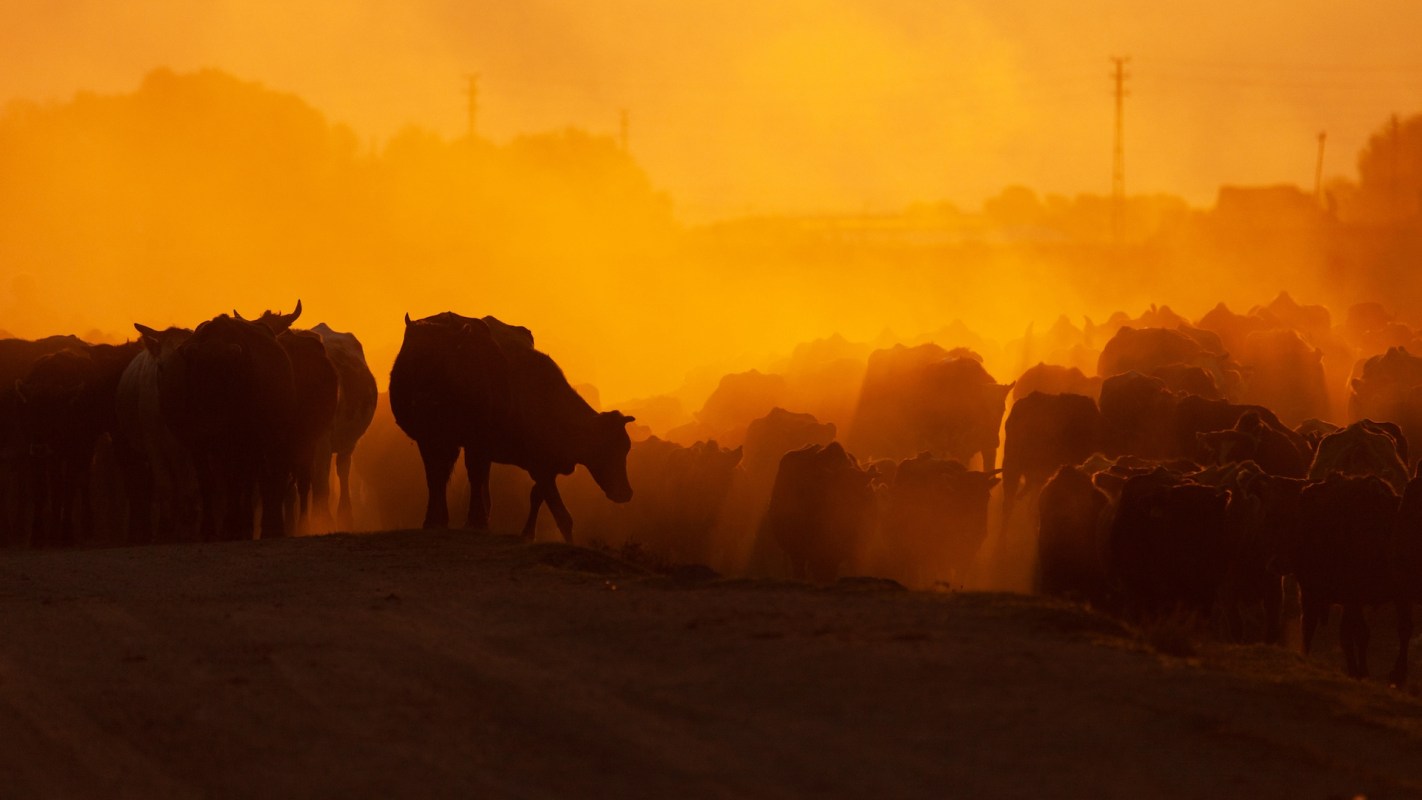
When extreme heat kills food crops and livestock comes under stress, the effects eventually reach supermarket shelves in the form of higher prices.
During the 2026 growing season, farms around the country faced record heat alongside other forms of severe weather, fueling worries that food prices will further rise as producers deal with damage and related losses.
Here's what to know
USA Today reported that extraordinary heat and other punishing weather in 2026 has hit farms across the country, harming important crops, straining livestock, and deepening the financial pressure on farmers who were already stretched thin.
When heat waves damage crops or stress livestock, producers may have less food to sell while also facing higher costs to recover. Those pressures then move through the supply chain and eventually reach consumers via higher grocery bills.
Researchers have overwhelmingly said that our warming climate is making extreme weather events more frequent and more damaging.
On top of that, an El Niño weather pattern could bring additional volatility to food production. In 2023, the European Central Bank estimated that a strong El Niño (which we are now experiencing) could "raise global food commodity prices for up to two years, with a 9% peak in price."
TCD Picks » Quince Spotlight
💡These best-sellers from Quince deliver affordable, sustainable luxury for all




It's important to note that this predicted 9% increase would occur without the other extreme weather events and disasters associated with our changing climate.
More background
Dangerous heat puts farmworkers at risk, strains rural health systems, and increases heat danger for people without dependable cooling. Severe weather can also damage the homes, roads, and utilities communities rely on, while damaged crops and stressed livestock can weaken local economies and family-run businesses.
Farming is especially vulnerable because it depends on weather patterns that are becoming increasingly unpredictable. Crops are and will continue to be damaged during long stretches of extreme heat, and cattle and other livestock can suffer when temperatures stay dangerously high for too long.
These losses are not confined to farms, putting even more stress on consumers as inflation rises and corporations try to squeeze even more money out of their shoppers.
What can be done?
Protecting the food system will require investments that help farms withstand harsher conditions.
That can include prioritizing more resilient crops, stronger water management, better emergency planning, and increasing support for farmers dealing with repeated climate-related losses. Efforts to reduce the pollution that is driving planetary overheating matter too, since cutting emissions would help limit how often these disruptions affect farms, workers, and consumers.
Households can also take practical steps to reduce the strain on their own budgets. Comparing prices, planning meals carefully, cutting down on food waste, and staying flexible about which produce or proteins to buy can all help families adjust when certain items become more expensive.
People can also support local producers when possible, as stronger local food networks may help communities stay more resilient when national supply chains are strained by weather disasters.
Where can I learn more?
For a closer look, these articles show how extreme weather is already disrupting American farms and food production.
• In Georgia, drought devastates production of pecan trees, squeezing farmers already bracing for hurricanes.
• Across every food-growing region, flash droughts pose unprecedented risk to farmers and water supplies.
• In New York's Catskills, extreme weather devastates crops, leaving urban-serving farms increasingly exposed.

Get TCD's free newsletters for easy tips, smart advice, and a chance to earn $5,000 toward home upgrades. To see more stories like this one, change your Google preferences here.






