


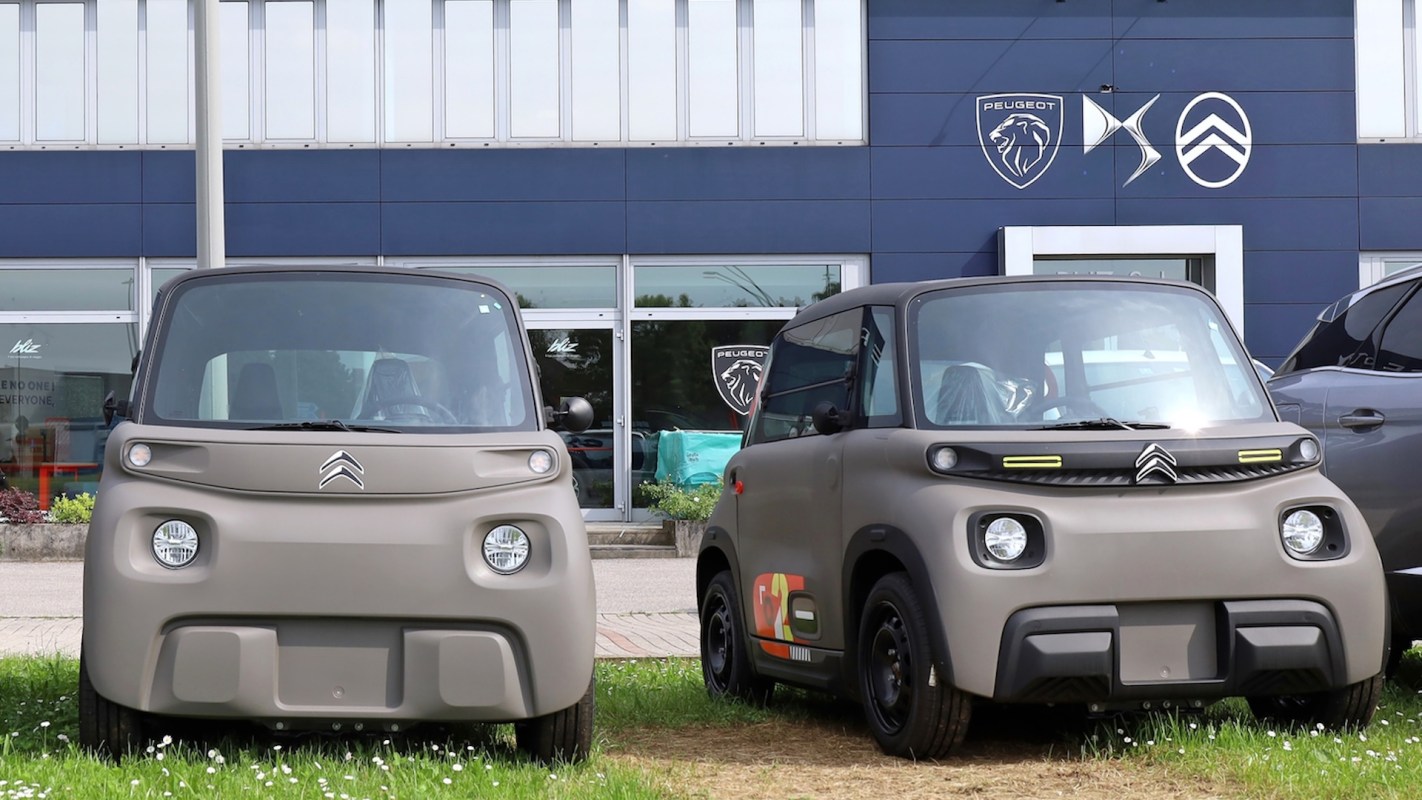
Progress in electric vehicle adoption is quite different in the United States as opposed to Europe.
Europe is surging ahead in EV popularity: electric models made up 23.2% of new car sales there, compared with 6% in the U.S. A wider selection of lower-cost vehicles has helped drive that difference.
Here's what to know
Autoevolution cited Motor Intelligence data showing a wide sales gap between the U.S. and Europe.
Many EVs sold in both regions offer similar technology and features, yet consumers are responding very differently.
Shoppers in Europe can choose from a much larger pool of EVs. Reuters, as cited by Autoevolution, reported that more than 150 models were on sale there in the first half of 2026, while U.S. buyers have fewer choices, especially among smaller and less expensive vehicles aimed at mainstream budgets.
Cost matters too. Some EVs in Europe sell for less than €25,000, (about $28,000), and Chinese automakers have added pressure on established companies such as Volkswagen while also giving buyers more lower-priced options.
TCD Picks » Quince Spotlight
💡These best-sellers from Quince deliver affordable, sustainable luxury for all




More background
Federal support for buying EVs in the U.S. ended on Sept. 30, 2025, a date autoevolution described as a major turning point because incentives for both new and used models expired.
After Sept. 30, 2025, buyers could no longer claim the $7,500 credit for new electric vehicles or the $4,000 credit for used ones, removing an important cost-saving incentive for shoppers.
Before Sept. 30, 2025, there was a last-minute surge in demand. EVs accounted for 8.5% of U.S. sales in September 2025; Europe was already at 17.7% in September 2025 and reached 23.2% through the first three quarters of 2026.
Europe also retains some financial advantages for EV adoption. Reuters noted that several countries still offer tax breaks, and fuel prices there are much higher than in the United States, making the move away from gasoline more compelling for many households.
The U.S. has moved in the opposite policy direction. Autoevolution reported that the Trump administration loosened federal rules on fuel economy and greenhouse gases, reducing pressure on automakers to accelerate EV adoption. Trade barriers and software-related restrictions on China-made vehicles have also limited the arrival of Chinese competitors.
What's being done?
For many U.S. drivers, hybrids are helping fill the gap.
Autoevolution reported that hybrids captured 15.6% of the overall market after a 23% sales increase in the first three quarters of 2026, giving buyers better fuel economy without the same need to plan around charging.
Used vehicles are also creating a more affordable way to get behind the wheel of an EV. Autoevolution reported that the used EV market was up 19% by September 2026, pointing to stronger demand at lower prices. Reuters also noted that depreciation can make used EVs especially attractive, even if buyers might worry that the car's battery has lost some of its capacity.
In Europe, a mix of cheaper models, tax incentives in some countries, and competition from Chinese brands has helped more buyers consider EVs.
Through September 2026, Tesla's U.S. sales fell 14%, Rivian's rose 29%, and Ford and General Motors posted declines of 68% and 43%, respectively.
Where can I learn more?
These stories look at the market and pricing pressures driving the gap in EV adoption. They cover the U.S. slowdown, Europe's cheaper and smaller models, and broader trends shaping global EV sales.
• In the U.S., Tesla, Hyundai, and Kia are pulling back from EV plans as demand cools.
• In Europe, automakers are shrinking their EVs to counter cheaper Chinese rivals.
• Worldwide, EVs now make up one in four new car sales as China and Norway lead.
• In the U.K., BYD's ultra-cheap Seagull arrives to widen Europe's lower-cost EV options.
• Across the EV market, falling EV prices are starting to offset years of inflation.

Get TCD's free newsletters for easy tips, smart advice, and a chance to earn $5,000 toward home upgrades. To see more stories like this one, change your Google preferences here.






